No products in the cart.
The Ultimate Meal Prep Guide for Busy Households
Home & Kitchen Guide
The Ultimate Meal Prep Guide for Busy Households
Stop spending your entire Sunday cooking. Here’s the smarter system that saves time, cuts food waste, and keeps weeknight dinners effortless.
Most people who try meal prep quit within three weeks. Not because they’re lazy — but because they’re using the wrong approach. They batch-cook twenty portions of the same meal, get bored by Tuesday, and give up entirely. Or they spend four exhausting hours in the kitchen every Sunday and wonder why it doesn’t feel sustainable.
Meal prep isn’t a single method. It’s a spectrum. The goal isn’t to cook every meal in advance — it’s to make weeknight cooking frictionless. When you understand the three levels of prep and apply just the one that fits your schedule, the whole thing clicks into place. According to the USDA Food Safety and Inspection Service, properly stored prepped meals should be refrigerated at or below 40°F and consumed within three to four days to prevent foodborne illness.
“People who plan and prepare their meals in advance consume significantly more vegetables and fruits, spend less on food overall, and report lower levels of mealtime stress — even when their prep sessions are under an hour.”
— International Journal of Behavioral Nutrition and Physical Activity, 2024
— International Journal of Behavioral Nutrition and Physical Activity, 2024
📋 Table of Contents
The 3 Levels of Meal Prep
Not all meal prep looks the same. Most guides push Level 3 straight away — full cooked meals portioned into containers — which works great for some people but feels overwhelming and joyless for others. Start with the level that fits your life right now.
Level 1 — Ingredient Prep Only
The lowest barrier to entry and the most flexible. You wash, chop, and portion raw ingredients — vegetables, proteins, grains — without cooking anything. Dinner still requires active cooking, but the hard, tedious parts are done. A 20-minute Sunday session can save 5–10 minutes every single weeknight evening, which adds up faster than it sounds when you’re tired at 7pm.
⏳ Time saver: Buy pre-washed salad greens, pre-cut stir-fry veg, and rotisserie chicken to reduce Level 1 prep even further. You’re building a habit first — optimise once it sticks.
Level 2 — Component Prep
You cook the building blocks, not full meals. A batch of roasted vegetables. A pot of grains — rice, quinoa, farro. Marinated proteins ready to pan-fry. Cooked beans or lentils. Each component works across multiple meals: the roasted veg goes into wraps Monday, grain bowls Wednesday, and frittata Thursday. This is the sweet spot for most households — maximum flexibility, minimal repetition.
Level 3 — Full Meal Prep
You cook and portion complete meals for the week. Best for households with highly predictable schedules, specific dietary requirements, or serious fitness goals. Works brilliantly for lunches — prepped lunches save both time and money compared to eating out. Less ideal for dinners if variety matters to your household.
The 1-Hour Sunday Method
This framework fits into the time you’d otherwise spend watching half a movie. It combines all three levels strategically so you’re never over-invested but always ready.
Step 1 — Plan (5 minutes). Glance at the week ahead. Note three or four dinners you’ll actually cook. Write a shopping list using those meals’ ingredients. One list, one shop, minimal waste.
Step 2 — Shop strategically (15–20 minutes). Stick to the list. Buy staples in bulk (grains, legumes, oils) to keep per-meal cost low. Prioritise versatile ingredients — chicken thighs, sweet potatoes, and leafy greens work across a dozen different dishes.
Step 3 — Wash and dry produce (10 minutes). The single step most people skip that saves the most time during the week. Washed, dried, ready-to-use produce gets used. Dirty produce sitting in a drawer gets ignored until it rots.
Step 4 — Cook one batch element (20–30 minutes). Pick one thing to cook fully: a pot of grains, a tray of roasted vegetables, or hard-boiled eggs. Just one. The rest stays raw until needed.
Step 5 — Portion and store (10 minutes). Pack everything into proper airtight containers and label with the date. The investment in good containers pays itself back in reduced food waste within the first month.
💡 Pro tip: Do your Sunday prep while listening to a podcast or playlist you only play during prep sessions. The psychological association makes it feel like a reward, not a chore.

What Foods Prep Best (and What Doesn’t)
Knowing which foods hold well in advance is half the battle. Here’s a practical breakdown:
Excellent for Prep
- Cooked grains (rice, quinoa, barley, farro) — 5 days refrigerated, freeze beautifully
- Roasted vegetables — 4–5 days, reheat in a hot oven to restore texture
- Hard-boiled eggs — 7 days in shell, perfect grab-and-go protein
- Cooked legumes (beans, lentils, chickpeas) — 5 days refrigerated, 3 months frozen
- Marinated raw proteins — 2–3 days refrigerated, cook fresh for best texture
- Soups, stews, and curries — improve with time, 4–5 days refrigerated, freeze for up to 3 months
Prep with Caution
- Dressed salads — prep components separately, dress at the last moment
- Cut avocado — oxidises quickly; prep same-day or use lemon juice and vacuum-seal
- Pasta dishes — pasta absorbs sauce and goes mushy; store separately
- Crispy foods — fried or breaded items lose their texture; reheat in an air fryer
2.5 hrs
Average weekly time saved by households that meal prep vs. those that don’t
Average weekly time saved by households that meal prep vs. those that don’t
$1,600+
Estimated annual savings for a family of four who meal preps vs. frequent takeout reliance
Estimated annual savings for a family of four who meal preps vs. frequent takeout reliance
43%
Reduction in household food waste reported by regular meal preppers in a 2024 consumer study
Reduction in household food waste reported by regular meal preppers in a 2024 consumer study
Storage 101 — How Long Does Prepped Food Actually Last?
Understanding shelf life isn’t just about food safety — it’s about eating at peak quality and not throwing money away. Here are the practical limits for common prepped foods:
- Cooked chicken, turkey, pork: 3–4 days refrigerated, 2–6 months frozen
- Cooked beef: 3–4 days refrigerated, 2–3 months frozen
- Cooked fish and seafood: 3–4 days refrigerated, 2–3 months frozen
- Cooked grains: 4–5 days refrigerated, 6 months frozen
- Raw cut vegetables: 3–5 days refrigerated depending on type
- Cooked vegetables: 3–5 days refrigerated
- Soups and stews: 4–5 days refrigerated, 3 months frozen
💡 Storage tip: Always let hot food cool to room temperature before sealing and refrigerating. Sealing steam inside containers raises moisture, accelerates bacterial growth, and turns crispy foods soggy overnight.
Frozen prepped meals keep longer, but freezer burn is the real enemy. The culprit is air exposure — even small pockets of air inside a container cause oxidation and dehydration of the food surface. This is where proper vacuum sealing makes a genuine difference, preserving flavour and texture for significantly longer than standard container storage.
The Container Problem — Why Bad Containers Ruin Good Prep
The most underestimated variable in meal prep is the container. Poorly sealing containers leak in your bag, let in air that degrades flavour, and make stacking in the fridge impossible. Glass containers are heavy but durable and don’t absorb odour or stain. Plastic containers are lighter but degrade over time and can harbour bacteria in scratches.
The single biggest upgrade most households can make: switch from clip-lock containers to vacuum-sealed storage. Removing air from the container slows oxidation, prevents freezer burn, and can extend the usable life of prepped food by 3–5 days — meaning less waste and less time re-prepping mid-week.
💡 Labelling tip: Always write the prep date on containers with a marker or masking tape label. After 48 hours you genuinely won’t remember which container was prepped first, and FIFO (first in, first out) rotation prevents waste.
Tools That Speed Up the Process
Great meal prep doesn’t require an arsenal of gadgets — but a couple of well-chosen tools can cut your prep time in half and dramatically improve how well food keeps through the week. Three that deliver real-world value:
1
Best for Bulk Prep
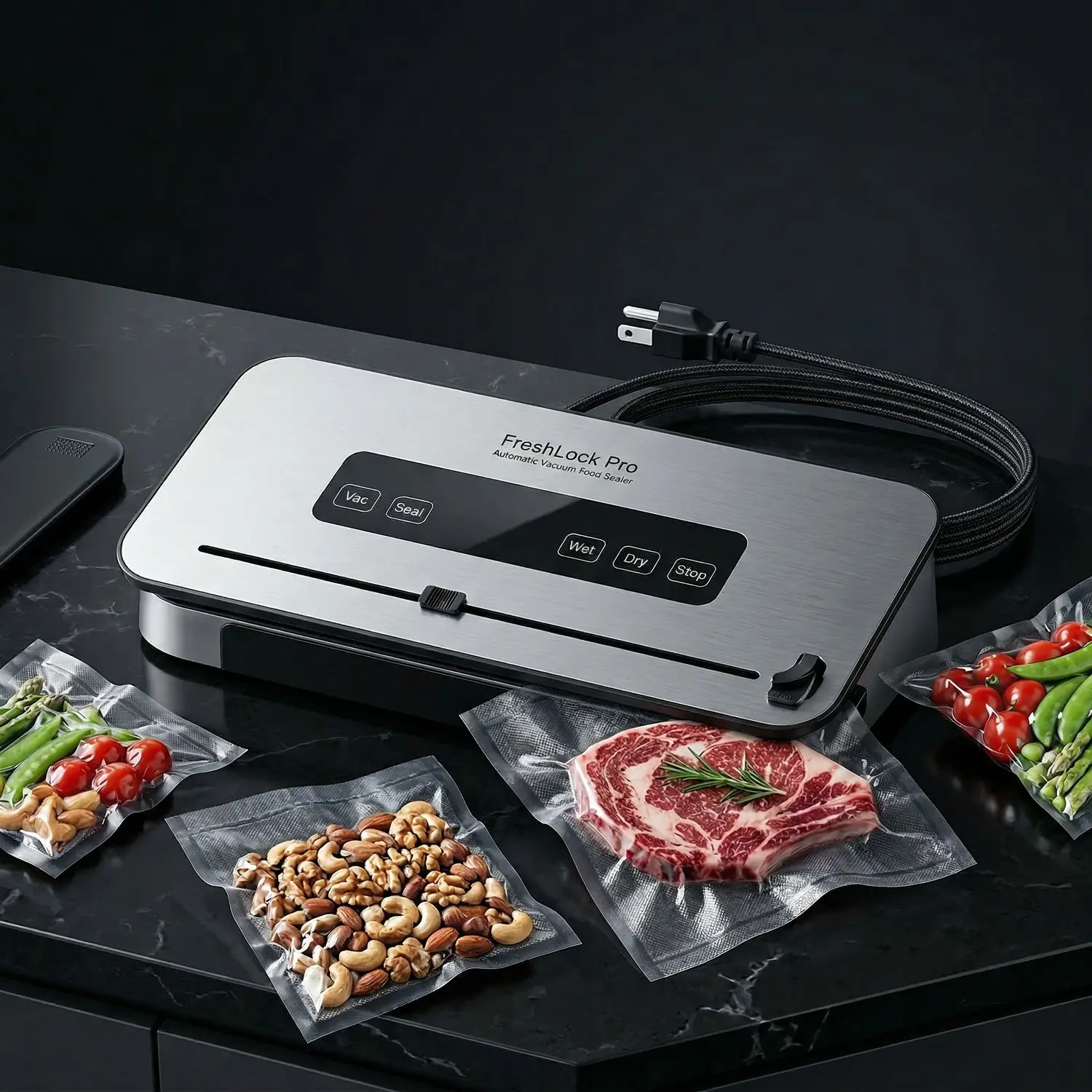
FreshLock Pro Automatic Vacuum Food Sealer
$22.99
A compact all-in-one vacuum sealer that handles both dry and moist foods — meats, vegetables, grains, and soups without making a mess. Automatic sealing engages with one touch: no guesswork, no wasted bags. Extends refrigerator freshness by up to 5× compared to standard zip-lock storage, making it the single best investment for households that batch-cook proteins and grains.
2
Best for Everyday Use
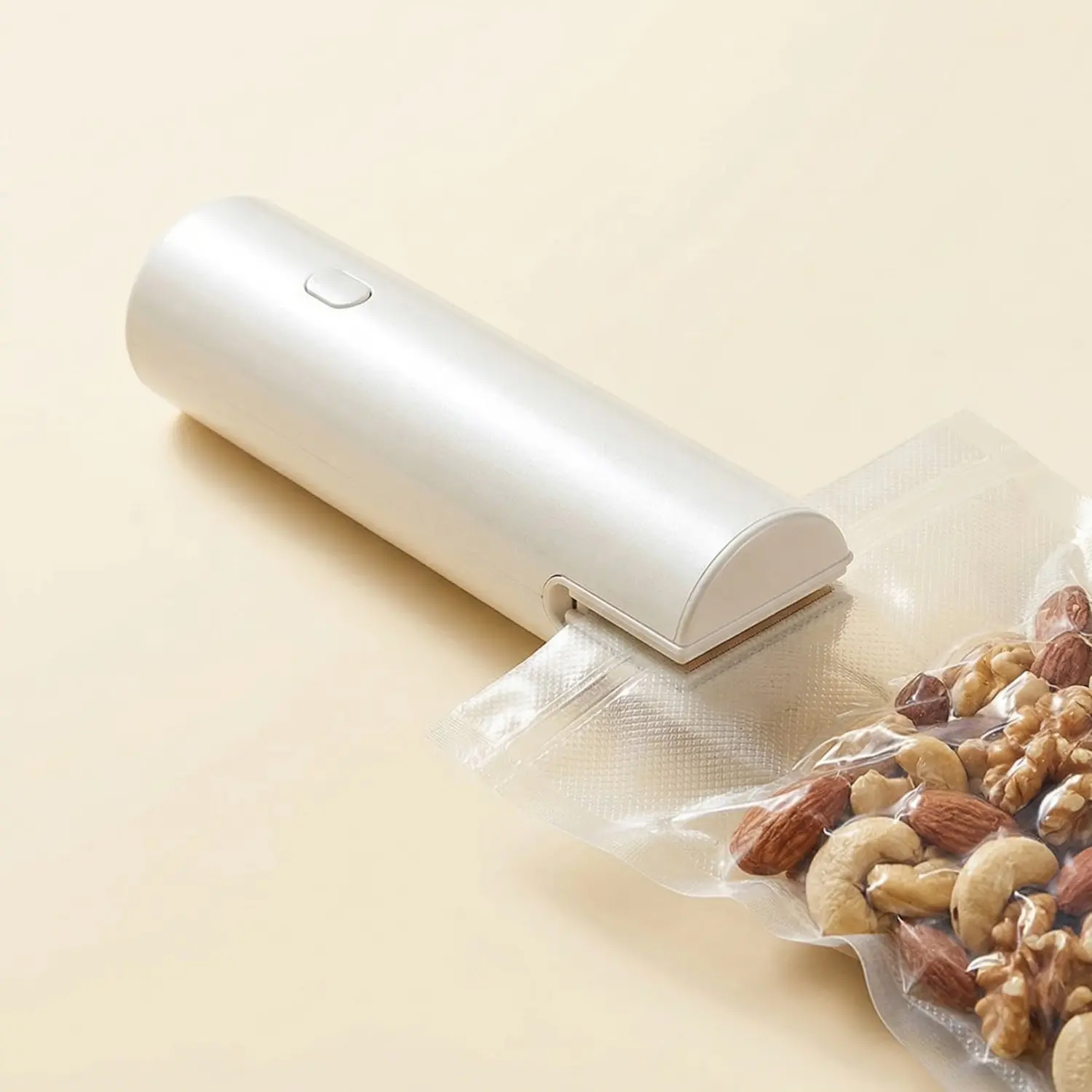
PocketSeal Wireless Mini Food Sealer
$15.99
A rechargeable handheld bag sealer that reseals snack bags, chip packets, and freezer bags in seconds. Ideal for the small daily moments — resealing a half-used bag of frozen vegetables, keeping cereal fresh, or packing snacks for kids’ lunches. Wireless and pocket-sized, it lives in a kitchen drawer and gets used every single day.
3

Prep Efficiency
CrystalGrate 4-in-1 Luxury Grater Set
$11.99
Four stainless steel grater heads — coarse, fine, ribbon, and zester — all with a built-in collection container that catches grated ingredients directly. Grating cheese, vegetables, citrus, and ginger is one of the most time-consuming parts of ingredient prep. This set eliminates the mess, reduces the surface area to wash, and is sharp enough to make the job feel fast rather than frustrating.
Frequently Asked Questions
Is meal prep actually cheaper than cooking each night?
Yes — when done properly. Buying ingredients in bulk reduces per-serving cost, batch cooking eliminates mid-week impulse takeout orders, and reducing food waste (the average US household throws away about $1,500 of food annually) compounds the savings significantly. Studies consistently show meal-prepping households spend 20–30% less on food per week than comparable non-prepping households.
How do I avoid eating the same thing every day?
Prep components, not complete meals. A batch of roasted sweet potato becomes a side dish Monday, goes into a grain bowl Wednesday, and fills a wrap on Friday. The component doesn’t change — the seasoning, sauces, and combinations do. This is why Level 2 prep sustains variety far better than Level 3 full-meal portioning.
Can I meal prep if I have a very small refrigerator?
Absolutely. The key is prioritising freezer-friendly prep over refrigerator storage. Soups, stews, cooked grains, and portioned proteins freeze exceptionally well. A chest freezer is one of the most cost-effective kitchen investments for small-space households — far more impactful per dollar than most appliances. Alternatively, keep refrigerated prep to 3–4 days maximum and do two smaller prep sessions per week rather than one large one.
What’s the best first meal to prep if I’m a complete beginner?
Start with a pot of grains and a batch of hard-boiled eggs. Both require almost no active cooking time, both last all week in the refrigerator, and both integrate into breakfast, lunch, and dinner without any planning. Once that’s a habit, add one roasted vegetable to your Sunday routine. Build the habit slowly — trying to do everything at once on the first attempt is how most people quit by week two.
🏆 The Verdict
Meal prep works when you match the approach to your actual lifestyle. Start at Level 1 or Level 2, invest in an hour on Sunday, and use the right containers to make food last. The savings in time, money, and weeknight stress compound quickly — within three to four weeks, the prep session starts to feel like a relief rather than a chore.
The right tools make a tangible difference. A vacuum food sealer extends the life of everything you prep. A quality grater set removes the most tedious prep bottleneck. Together, they turn a moderately efficient Sunday session into a genuinely fast, repeatable system your whole household can maintain year-round.
Shop Our Home & Kitchen Range
Food sealers, storage solutions, kitchen tools — everything you need to make meal prep faster and your food last longer.


About author