No products in the cart.
How to Choose the Right Cat Litter: A Complete Guide
Pet Supplies Guide
How to Choose the Right Cat Litter: A Complete Guide
Clumping, crystal, natural — cut through the confusion and find the litter your cat will actually use.
If your cat has ever refused to use their litter box, you already know the frustration. Accidents on the bathroom floor. The pointed stare. The silent judgement. Here’s the thing most cat owners don’t realize: litter choice is the #1 reason cats reject their box. Not behaviour problems. Not a grudge. The wrong litter. According to the ASPCA, litter box hygiene and litter type are among the leading reasons cats develop unwanted elimination habits outside their box.
With more than a dozen litter types on shelves — clumping clay, crystal silica, recycled paper, wood pellets, corn, wheat — choosing the right one feels overwhelming. This guide breaks it all down so you can make the smartest choice for your cat, your home, and your nose.
“Litter texture and scent are the two biggest factors in litter box refusal. Cats are neophobic by nature — sudden changes or unfamiliar materials trigger avoidance behaviour almost immediately.”
— Dr. Marty Becker, DVM, Fear Free Pets
— Dr. Marty Becker, DVM, Fear Free Pets
📋 Table of Contents
The 5 Types of Cat Litter Explained
Not all cat litters are created equal. Each type has real trade-offs in odour control, tracking, dust, cost, and eco-friendliness. Here’s an honest breakdown of every major category.
1. Clumping Clay
The most popular litter in the US by a wide margin. Sodium bentonite clay forms hard, scoopable clumps on contact with liquid, making it easy to remove waste without changing the entire box. It absorbs well and controls odour effectively when scooped daily. Downsides: it’s heavy, dusty, and not biodegradable. Some cats with respiratory sensitivities react to the fine particles.
💡 Tip: If you’re using clumping clay, fill the box to at least 3 inches deep. Shallow litter leads to clumps that stick to the bottom — and frustrated cats who refuse to dig properly.
2. Crystal Silica
Silica gel crystals are highly absorbent and virtually dust-free, making them a solid choice for small spaces and multi-cat households. They don’t clump, so you stir and spot-scoop solids daily, then swap out the entire box every few weeks. Lighter than clay and longer-lasting per bag, but the price per pound is higher and some cats dislike the hard texture underfoot.
3. Natural Plant-Based (Corn, Wheat, Walnut)
Plant-based litters like corn and wood-based varieties are biodegradable and often flushable (always check local regulations). They clump reasonably well and carry a naturally mild scent. The trade-off: they can harbour bacteria faster if not scooped frequently enough. Great for eco-conscious households — but not ideal for kittens who explore with their mouths, since corn-based varieties can cause GI upset if swallowed in quantity.
4. Recycled Paper
Typically pellet-shaped, paper litter is made from recycled newspaper and is virtually dust-free — ideal for post-surgery cats or kittens with delicate airways. It doesn’t clump, it’s lightweight, and it’s the gentlest option for sensitive paws. Odour control is weaker without baking soda additives, and it needs changing more frequently than clumping alternatives.
5. Wood Pellets
Made from compressed pine, cedar, or other softwoods, wood pellets absorb moisture and break down into sawdust that falls to the bottom of the box. Naturally antimicrobial with a pleasant cedar or pine scent, they work well for cats that tolerate the harder pellet texture. A pellet-sifting litter box helps manage the sawdust layer without a full replacement every few days.
What Cats Actually Prefer
Cats didn’t get to vote on the litter aisle, but researchers have studied their preferences extensively — and the science is pretty clear.
A landmark study published in the Journal of Feline Medicine and Surgery found that when given a free choice, cats overwhelmingly preferred fine-grained, unscented clumping litter — material similar in texture to soft outdoor soil. The sandier the feel, the higher the acceptance rate across all age groups.
Key insights from litter preference research:
- Texture matters most. Fine-grained clumping clay consistently outperforms pellets, crystals, and coarse-grained alternatives in blind preference tests.
- Scented litters are for humans, not cats. Studies show cats actively avoid heavily scented litters — especially floral or citrus-scented varieties. A cat’s sense of smell is roughly 14× stronger than ours.
- Depth is critical. Cats need to dig and cover instinctively. Boxes with less than 2 inches of litter cause rejection behaviour across all breeds.
- Consistency beats novelty. Once your cat accepts a litter type, switching brands — especially changing texture — causes significant stress and can trigger outside-the-box incidents for weeks.
💡 Tip: When transitioning litters, do it gradually over 7–10 days by mixing increasing proportions of the new litter into the existing fill. Cold-switching is the single biggest avoidable cause of litter box rejection.
Odour Control — What Works and What Doesn’t
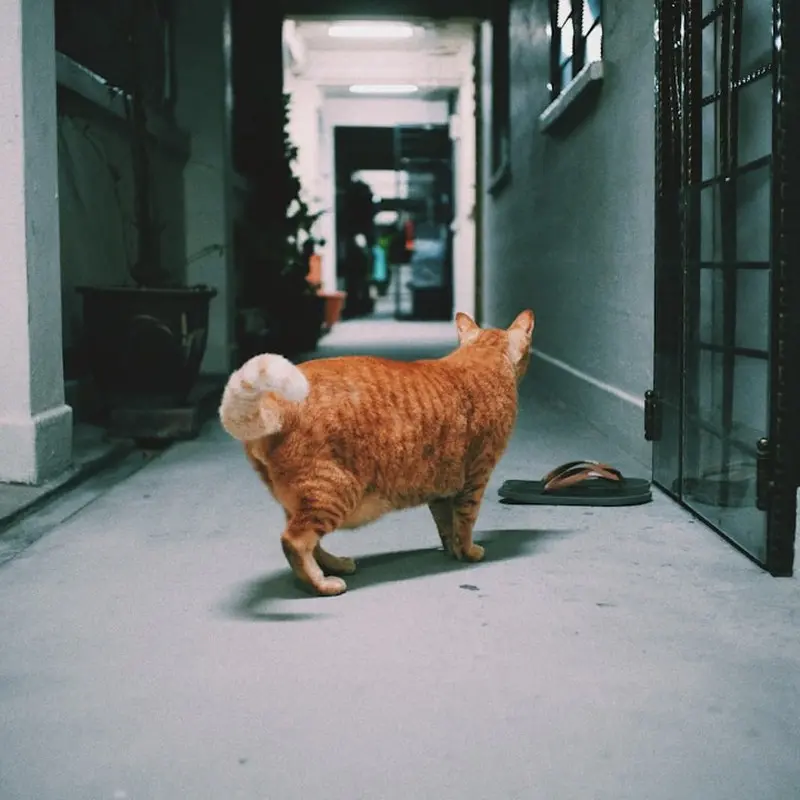
Odour control is the top priority for most cat owners — and also the most misunderstood. Litter marketing leans heavily on deodorising claims, but here’s what actually drives the smell in the first place.
The real culprit is ammonia from urine. When urea in cat urine reacts with bacteria, it produces ammonia — the sharp, eye-watering smell that builds in litter boxes over time. The faster you remove clumps, the less opportunity bacteria have to break down urea. No litter can fully compensate for infrequent scooping.
What actually works:
- Daily scooping — the single most effective odour-control measure, regardless of litter type.
- Activated carbon additives — litters with activated charcoal absorb ammonia molecules at a molecular level rather than masking them.
- Baking soda — a thin sprinkle between litter layers neutralises acidic odours cheaply and cat-safely.
- Silica crystals — absorb liquid directly into the crystal structure rather than pooling it, dramatically reducing bacterial odour production.
What doesn’t work long-term:
- Heavily scented litters — mask odour for the first day, then compound the problem as the added scent wears off and ammonia accumulates underneath.
- Covered litter boxes — trap ammonia inside the enclosure and create an unpleasant experience that drives box avoidance.
- Deodorising sprays applied directly in the box — many are alcohol-based and irritating to cats’ sensitive paw pads.
1 in 10
Cats develop litter box aversion in their lifetime, often linked to litter type or box maintenance
Cats develop litter box aversion in their lifetime, often linked to litter type or box maintenance
21×
More bacteria per square inch found in a 3-day-unscooped box vs. a daily-scooped one
More bacteria per square inch found in a 3-day-unscooped box vs. a daily-scooped one
$3.2B
US cat litter market size in 2025, on track to exceed $4B by 2030
US cat litter market size in 2025, on track to exceed $4B by 2030
How Many Boxes Do You Actually Need?
The standard rule in cat behaviour science is one litter box per cat, plus one extra. Two cats means three boxes. This isn’t marketing fluff — it reflects genuine feline territorial psychology.
Even cats that coexist peacefully will often refuse to use a box that carries a strong scent of another cat. Multiple boxes placed in different areas of the home reduce competition stress, territorial marking, and elimination outside the box. Stacking all your boxes in the same utility room largely defeats the purpose.
💡 Tip: Never place litter boxes next to food and water bowls. Cats instinctively separate elimination from feeding areas — proximity to food causes active avoidance of the box.
For multi-storey homes: at least one box per floor. For senior cats or cats with arthritis: low-entry boxes in easily accessible spots — no climbing, no tight corners, no effort required to get in and out.
The Golden Rule of Litter Box Maintenance
Consistency is everything. Here’s the maintenance schedule that keeps cats confident in their box and keeps your home odour-free year-round.
Daily Tasks
- Scoop all clumps and solids — even when nothing obvious is visible, residual scent signals the box is dirty
- Flatten the surface and top up to 3–4 inch depth if needed
Weekly Tasks
- Stir litter to surface any deeper clumps near the bottom
- Add a light sprinkle of baking soda under the fresh litter layer
- Wipe down the outer surfaces of the box with a pet-safe cleaner
Monthly Tasks
- Complete litter replacement — dump all litter, scrub the box with mild dish soap and hot water, dry thoroughly before refilling
- Replace the physical box itself every 1–2 years — plastic permanently absorbs urine odour no matter how well you clean it
💡 Tip: Avoid bleach or ammonia-based cleaners when washing litter boxes. Trace ammonia residue from cleaners mimics urine smell and can encourage cats to urinate outside the box.
When Litter Alone Isn’t Enough — Deodoriser Options
Even with the best litter and a rigorous scooping schedule, some homes need an extra layer of odour management — particularly multi-cat households or smaller apartments where air circulation is limited. That’s where litter box deodorisers and ionic air purifiers provide real, measurable value.
Two standout options that pair well with any litter type:
1
Editor’s Pick
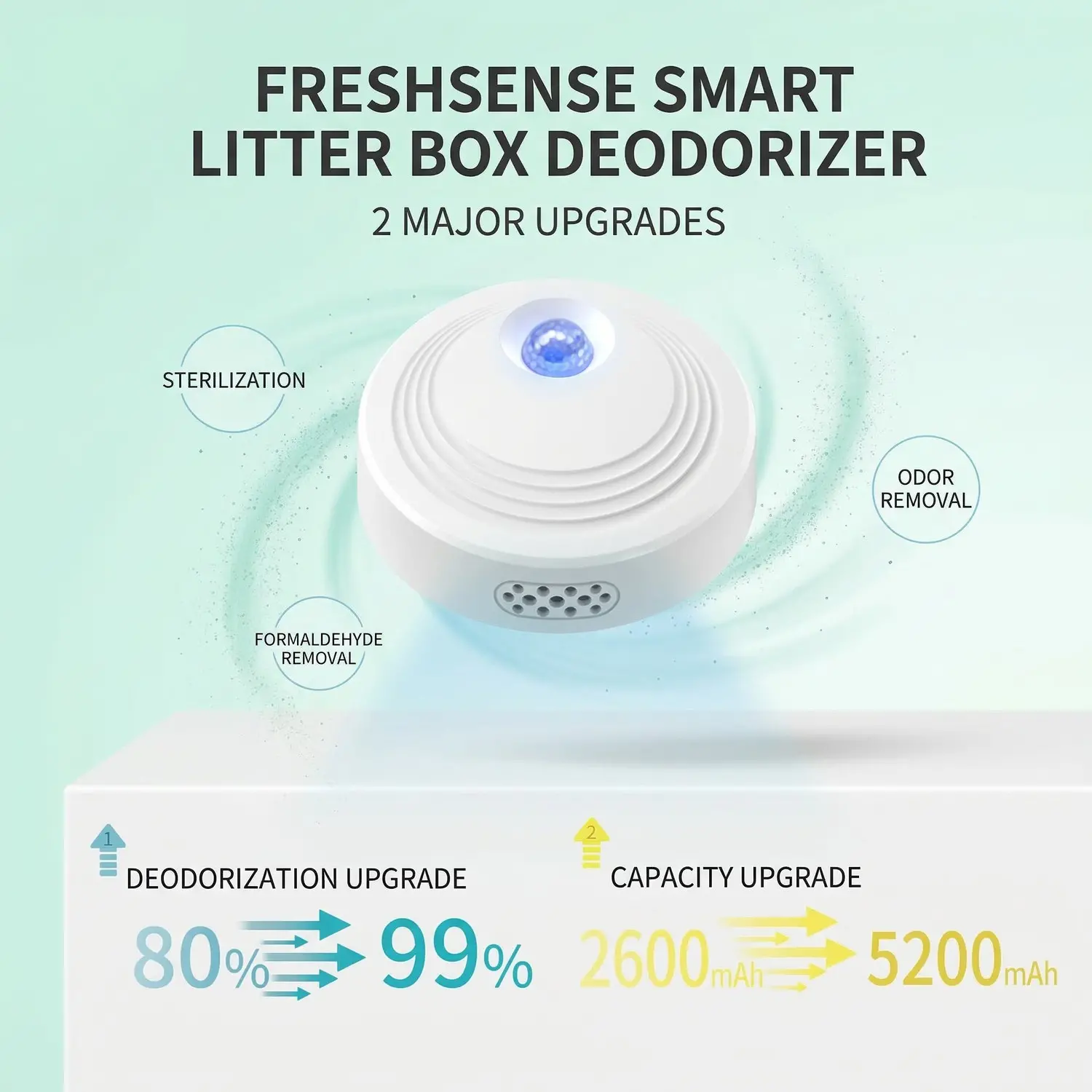
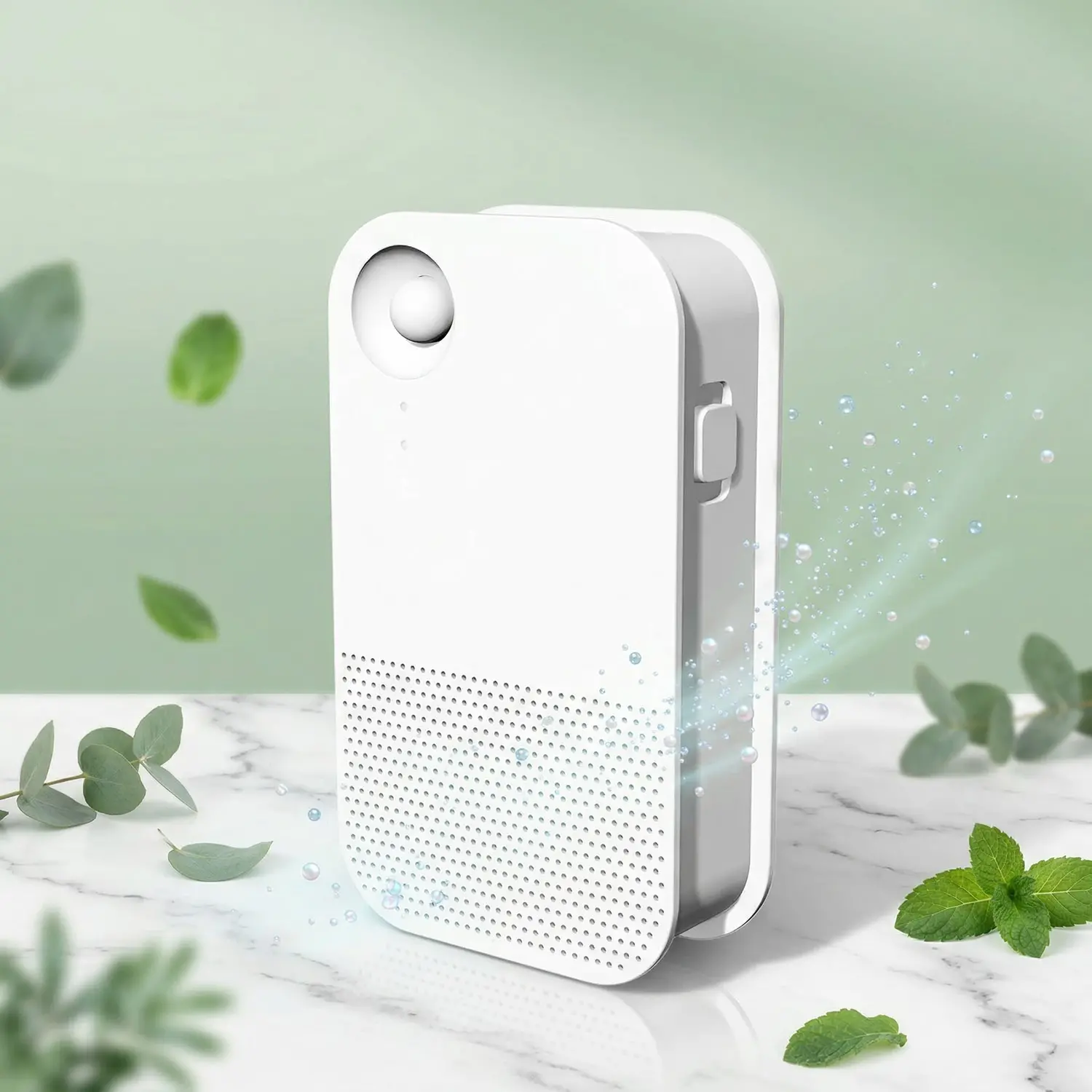
FreshSense Smart Litter Box Deodorizer
$24.99
Uses infrared motion sensing to activate automatically the moment your cat exits the box — neutralising odour at the source before it has a chance to spread through the room. USB rechargeable with a long-lasting battery, it clips directly onto the litter box rim. Zero chemicals, no sprays, no masking fragrances — just clean air exactly when you need it.
2
Best Value
PureAir Pet Ionic Deodorizer
$22.99
A negative ion air purifier purpose-built for pet odour environments. Covers up to 200 sq ft continuously, making it ideal for laundry rooms, hallways, or any enclosed space where the litter box lives. Smart sensor mode automatically adjusts output — quieter during the day, more active at night when the box sees the most use.
Frequently Asked Questions
How often should I completely change my cat’s litter?
For clumping litter with daily scooping, a full change every 3–4 weeks is typically sufficient for a single cat. Non-clumping litters — paper pellets, silica crystals — need full replacement every 1–2 weeks. If you notice persistent odour even after scooping, that’s your cue for a full change regardless of schedule.
Can I use clumping clay litter for kittens?
Kittens under 4 months should not use clumping clay litter. Young kittens often mouth and ingest litter, and swallowed clumping clay can cause dangerous intestinal blockages. Use non-clumping clay, paper pellets, or wood pellets until around 4–5 months, then transition gradually to fine-grained clumping litter as they mature.
Why does my cat keep kicking litter all over the floor?
Excessive litter scatter usually points to a box that’s too small, insufficient litter depth, or a cat that’s a vigorous digger by nature. Try a larger box — at minimum 1.5× your cat’s body length — filled with 4 inches of litter. High-sided boxes or top-entry designs significantly reduce scatter without limiting your cat’s access.
Is scented cat litter harmful to cats?
Most cats actively avoid heavily scented litters. Their sense of smell is approximately 14× more sensitive than ours, so artificial fragrances that smell pleasant to us can be genuinely overwhelming — and sometimes irritating — to cats. Some cats also develop respiratory sensitivities to aromatic compounds used in scented products. Unscented litter combined with daily scooping and a deodoriser unit is almost always the better approach.
🏆 The Verdict
For most cats and most households, unscented fine-grained clumping clay remains the gold standard — it matches cats’ natural texture preferences, clumps firmly for easy daily scooping, and controls odour effectively when paired with a consistent maintenance routine. If you’re managing sensitivities, respiratory issues, or environmental concerns, natural plant-based or low-dust silica crystal options are strong runners-up.
Whatever litter you choose: scoop every day, maintain the right depth, follow the n+1 box rule for multi-cat households, and consider a smart deodoriser for the air between scoops. Your cat will respond with consistent, in-box behaviour — and your home will thank you just as much.
Browse Our Full Pet Supplies Range
From smart litter deodorisers to grooming tools and feeding accessories — everything your cat needs in one place.


About author