No products in the cart.
The Minimalist Oral Care Routine That Actually Works

Personal Care · 2026
The Minimalist Oral Care Routine That Actually Works
Dental care has been overcomplicated by marketing. Here is exactly what dentists actually recommend — nothing more, nothing less.
Walk down the oral care aisle of any US drugstore and you will encounter charcoal toothpastes, oil-pulling kits, remineralisation serums, tongue scrapers with Bluetooth connectivity, and twelve-step whitening systems that promise to transform your smile in a fortnight. The oral care industry generates over $50 billion annually in the United States, and it has a strong financial incentive to convince you that the basics are not enough.
They are. The reality — and every credentialed dental authority will confirm this — is that a three-step daily routine done consistently covers approximately 95% of what you need for excellent long-term dental health. The rest is either marginal benefit, targeted treatment for specific conditions, or marketing dressed up as science. This guide separates what is evidence-backed from what is profitable, and gives you the simplest effective oral care routine you will find anywhere. According to the American Dental Association (ADA), brushing twice daily with a fluoride toothpaste and flossing once per day remains the most evidence-backed approach to preventing cavities and gum disease — no elaborate supplement routine required.
We will also cover the two tools that actually make a meaningful difference to routine compliance and effectiveness — because the right electric toothbrush and a water flosser genuinely do change outcomes in ways that willpower alone cannot replicate.
“Brush twice a day for two minutes each time with a fluoride toothpaste, and clean between your teeth once a day. That is the foundation of good oral health — everything else is supplementary.”
— American Dental Association (ADA), Mouth Healthy Official Guidelines
— American Dental Association (ADA), Mouth Healthy Official Guidelines
📋 In This Guide
What Dentists Actually Recommend: The Non-Negotiables
The American Dental Association has maintained a consistent, evidence-based set of oral care recommendations for decades — and they have not dramatically changed, because the science supporting them is solid. Here is what every credentialed dental organisation agrees on, without exception:
Brush twice a day, for two full minutes each session, using a fluoride toothpaste. The two-minute duration is not arbitrary — it is the minimum time needed to adequately cover all tooth surfaces at a thorough, effective pace. Studies consistently show that the average unbridged person brushes for 45 seconds. The fluoride component is non-negotiable: it is the single most evidence-supported caries-prevention agent available without a prescription, and the anti-fluoride movement is not supported by mainstream dental science.
Clean between teeth once per day using floss or an irrigator. Toothbrush bristles cannot reach the interproximal surfaces — the contact points between adjacent teeth — where approximately 35% of each tooth’s total surface area lives. Interdental cleaning removes the plaque that brushing physically cannot reach, reducing risk of cavities between teeth and the gum disease that begins at those contact points. This step is skipped by roughly 32% of Americans — and it shows in cavity statistics.
Replace your brush head every three months. Worn bristles are significantly less effective at plaque removal than new ones, and frayed brushes can irritate gum tissue. This applies equally to manual and electric toothbrushes.
Attend professional cleanings every six to twelve months. No home routine, however diligent, removes tartar — the calcified plaque that builds up over time and can only be removed with professional instruments. Skipping cleanings allows tartar accumulation to progress to gingivitis and, eventually, periodontitis, at which point treatment costs escalate substantially.
The 3-Step Routine That Covers 95% of Dental Health Needs
Step 1: Brush Properly — 2 Minutes, Twice Daily
Two minutes, twice a day, on every surface. The technique matters as much as the duration: hold the brush at a 45-degree angle to the gum line, use short horizontal strokes or small circles, apply gentle pressure (pressing hard does not clean better and abrades enamel over time), and work systematically around all four quadrants before finishing on the tongue surface.
The single most effective upgrade you can make to this step is switching from a manual to an electric toothbrush. A 2019 systematic review covering 56 studies and over 5,000 participants found that electric toothbrushes reduced plaque by 21% and gingivitis by 11% compared to manual brushing after three months of use. The mechanism is straightforward: sonic vibration oscillates the brush at thousands of strokes per minute — a physical speed no manual technique can replicate — while built-in timers guarantee you reach the two-minute target every session.
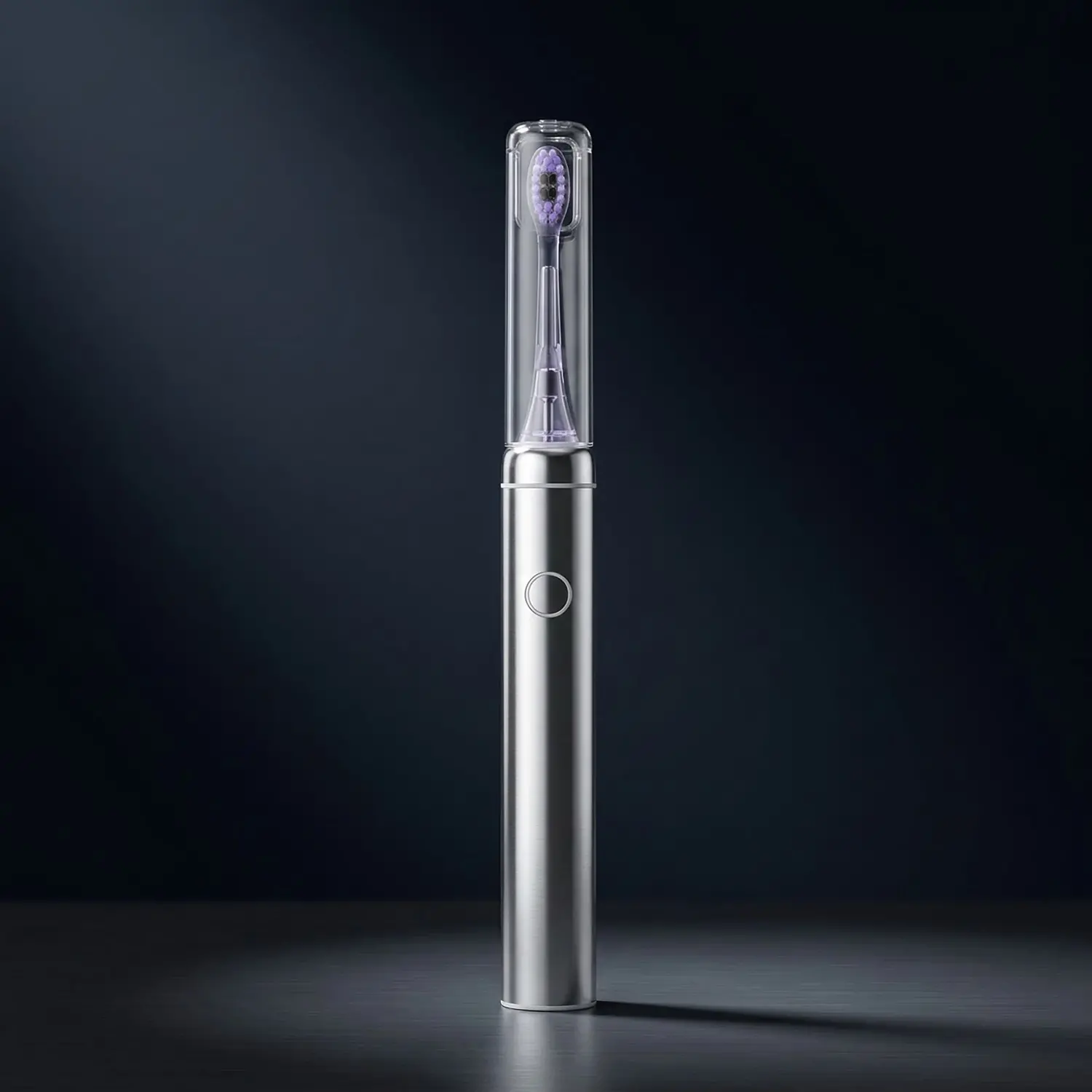
The VibePulse Pro Sonic Electric Toothbrush at $21.99 covers both of these mechanisms. Dual-mode sonic vibration handles the cleaning efficiency, a built-in two-minute timer ensures proper duration, and a UV sterilization case keeps the brush head hygienic between uses. Two replacement brush heads are included, covering the first six months of use. For most people, this is the most impactful single change they can make to their oral care routine.
Step 2: Floss or Use a Water Flosser — the Real Difference
Traditional string flossing is effective when done correctly and consistently — the problem is that most people do neither. Studies show that only around one-third of Americans floss daily, and of those, a significant proportion floss incorrectly (straight up-and-down rather than curving around each tooth in a C-shape). Water flossers — also called oral irrigators — have moved from dental clinic tool to mainstream consumer product over the past decade, and the evidence supporting them is now substantial.
A 2013 randomised controlled trial published in the Journal of Clinical Dentistry found that water flossers were 51% more effective at reducing gingivitis and 29% more effective at removing plaque compared to string floss. A more recent study found that water flossers were particularly superior for people with braces, bridges, implants, or periodontitis — situations where string floss is difficult or inadequate.
The mechanism is different from string floss: a pressurised water stream dislodges and flushes debris and bacteria from interproximal spaces and below the gumline rather than physically scraping surfaces. For many people — especially those who consistently skip string flossing because they find it unpleasant — a water flosser increases daily compliance dramatically, which is the variable that matters most for long-term outcomes.
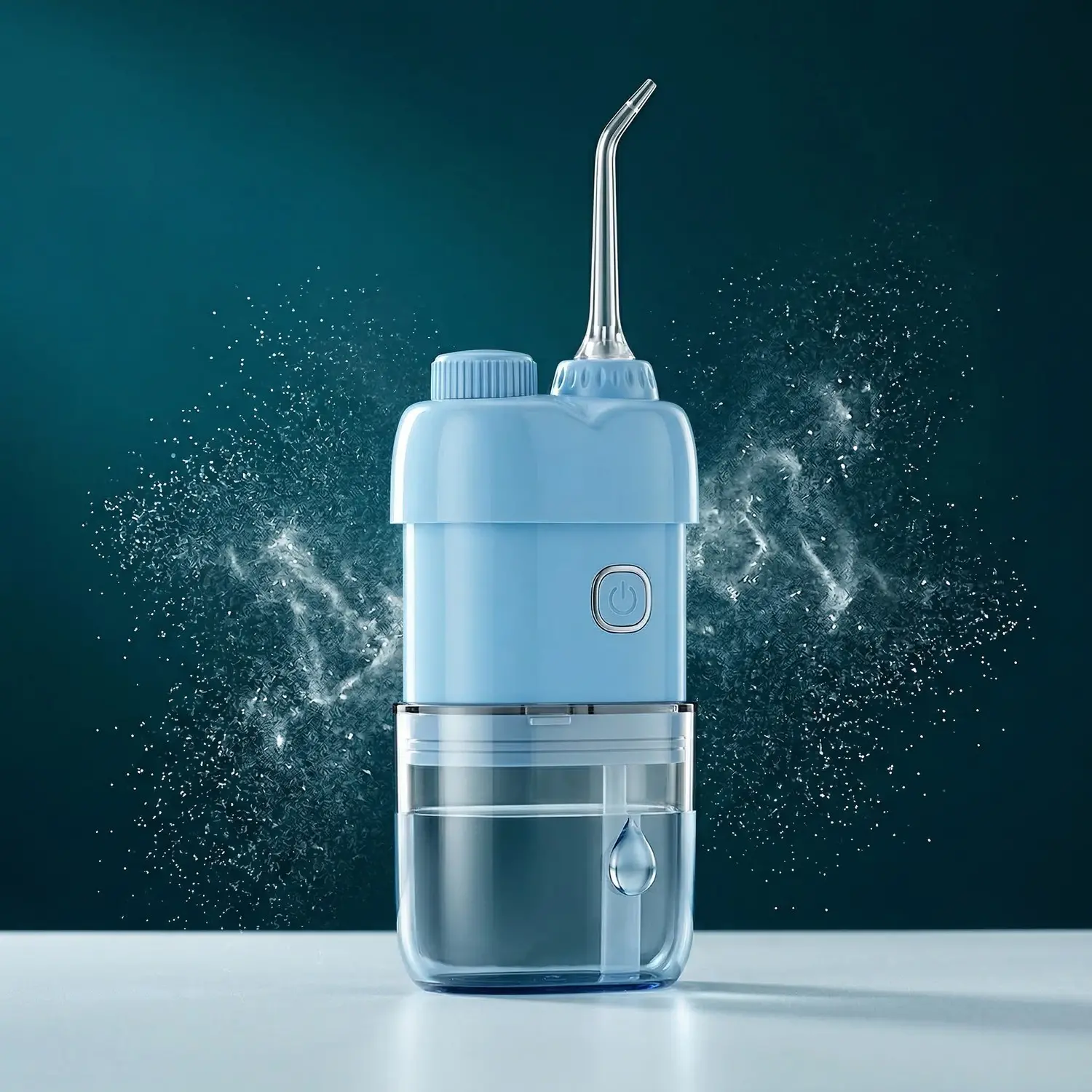
The AquaFloss Pro Portable Water Flosser at $46.99 is IPX7 waterproof, rechargeable via USB, and compact enough for travel while delivering clinical-grade irrigation pressure. The orthodontic compatibility makes it suitable for the 4 million Americans currently wearing braces. At under $50, it is among the most cost-effective dental health investments available outside a dental office.
Step 3: Rinse — Does It Actually Matter?
Mouthwash is the most optional of the three steps — but the right mouthwash, used correctly, does provide genuine supplementary benefit. An antiseptic mouthwash containing chlorhexidine or cetylpyridinium chloride reduces bacteria counts in areas the brush and flosser physically cannot reach, and a fluoride mouthwash adds a second fluoride exposure that meaningfully benefits high-cavity-risk individuals.
Important caveat: do not rinse with water immediately after brushing. This washes away the concentrated fluoride film your toothpaste just deposited. The optimal sequence is brush, spit, wait 30 minutes, then use mouthwash if desired. Many dentists now recommend skipping the post-brush water rinse entirely.

What You Can Skip — and the Products That Are Mostly Marketing
Dental marketing has produced a category of products that feel like oral care science but are supported by thin or non-existent evidence. Being clear about what to skip saves money, time, and sometimes enamel.
Charcoal toothpaste: No credible clinical trial has demonstrated that charcoal toothpaste whitens teeth more effectively than conventional fluoride toothpaste. Multiple studies have found that charcoal particles are abrasive enough to damage enamel with regular use. Most charcoal toothpastes also do not contain fluoride — replacing the most evidence-supported caries-prevention ingredient with a marketing gimmick is objectively counterproductive.
Whitening strips beyond the occasional use: Over-the-counter hydrogen peroxide whitening strips do produce measurable whitening effects, but the concentration available without a prescription is low enough that multiple expensive treatments are required for noticeable results. Professional in-office whitening achieves the same result in a single session for most patients. Use strips sparingly for maintenance; rely on professional treatment for meaningful whitening goals.
Oil pulling as a primary oral care practice: Swishing oil around your mouth for 20 minutes has a culturally long history and some limited evidence of mild antibacterial effects, but zero credible evidence that it prevents cavities or replaces any standard care step. If you enjoy it as a supplementary practice, it is unlikely to cause harm — but it should not displace brushing or interdental cleaning time.
Tongue scrapers: Tongue scraping does remove some bacteria and volatile sulfur compounds that contribute to bad breath. If halitosis is a specific concern for you, a tongue scraper is a reasonable low-cost addition. For most people brushing their tongue as part of the standard brushing session achieves the same result without an additional tool.
91%
of US adults aged 20–64 have had dental caries in permanent teeth at some point
of US adults aged 20–64 have had dental caries in permanent teeth at some point
$45B
annual US dental care expenditure — much of which treats conditions that consistent prevention would have avoided
annual US dental care expenditure — much of which treats conditions that consistent prevention would have avoided
32%
of Americans report never flossing — a direct contributor to the high prevalence of interproximal cavities and gum disease
of Americans report never flossing — a direct contributor to the high prevalence of interproximal cavities and gum disease
Morning vs Night — Does Timing Matter?
Yes — and if you are going to prioritise one brushing session above the other, the nighttime session is more important. Here is why: throughout the day, saliva flow acts as a constant natural defense mechanism, washing away food debris, neutralising acids, and delivering minerals to tooth surfaces. During sleep, saliva production drops by up to 80%. This means any plaque left on tooth surfaces when you go to sleep has six to eight hours of undisturbed acid exposure to begin demineralising enamel.
Brushing before bed removes the plaque accumulation from the entire day before that overnight vulnerability window begins. Brushing in the morning removes the overnight bacterial buildup (morning breath is caused by bacterial metabolic activity during the low-saliva sleep period) and applies fresh fluoride before the day’s acid challenges begin.
The order within the morning routine also matters slightly: brush before drinking orange juice or coffee, not after. Acidic beverages temporarily soften enamel, and brushing on softened enamel causes more abrasion than brushing on the firmer, pre-acid baseline. Wait at least 30 minutes after consuming acidic foods or drinks before brushing.
Interdental cleaning — flossing or water flossing — is most effective at night, before brushing, so that any dislodged debris is then swept away by the brush rather than just redistributed. Floss before brush, not after.
The Gear That Makes It Effortless
Compliance is the variable that determines oral health outcomes more than any product specification. The best oral care routine in the world produces zero benefit if it is skipped three days out of seven. These two tools are specifically chosen because they reduce friction and increase the consistency that actually determines your dental health trajectory.
1
Best for Daily Brushing
VibePulse Pro Sonic Electric Toothbrush
$21.99
Dual-mode sonic vibration removes significantly more plaque than manual brushing without requiring technique — the oscillation does the work. A built-in two-minute timer with 30-second quadrant alerts ensures clinical brushing duration every session without mental effort. The UV sterilization case eliminates the bacterial growth that accumulates on brush heads stored in a bathroom environment. Two brush heads included. At $21.99, this delivers genuine clinical-grade cleaning at a fraction of the price of premium electric toothbrush brands.
2
Best for Interdental Cleaning
AquaFloss Pro Portable Water Flosser
$46.99
Clinical evidence places water flossers ahead of string floss for plaque removal and gingivitis reduction in most use cases — and substantially ahead for compliance. The AquaFloss Pro is IPX7 waterproof for full shower use, charges via USB, and delivers adjustable pressure suited to sensitive gums and orthodontic hardware alike. Portable enough for travel without sacrificing reservoir capacity. For anyone who consistently skips string flossing, this is the most impactful oral care investment available.

Frequently Asked Questions
Is an electric toothbrush really that much better than a manual one?
For most people, yes — primarily because of two mechanisms: the oscillation speed physically exceeds what manual technique can replicate, and built-in timers reliably deliver the two-minute brushing duration that most manual brushers fall well short of. A 2019 Cochrane review of 56 studies found electric toothbrushes reduced plaque by 21% and gingivitis by 11% compared to manual brushing over three months. The benefit is most pronounced in people who currently brush for under 90 seconds, which represents the majority of adults. For a thorough, timed manual brusher, the difference narrows — but the timer alone is worth the switch for most people.
Can a water flosser completely replace string floss?
For most people, yes — and for some groups, the water flosser is demonstrably superior. Clinical studies show water flossers are more effective at reducing gingivitis and removing plaque than string floss in most comparisons, particularly around the gumline. The exception is tight contact points between teeth where string floss mechanically “snaps through” the contact — a water jet may not replicate this action with the same direct abrasiveness. For most healthy adult dentitions, a water flosser used correctly is at minimum equivalent to string floss, and typically better for gum health. Your dentist can advise based on your specific anatomy and cavity history.
How often should I replace my electric toothbrush head?
Every three months, or sooner if the bristles appear frayed or discoloured. This is the same guideline as for manual toothbrushes. Worn bristles are less effective at plaque removal and the frayed ends can be more abrasive to gum tissue. Most electric toothbrush heads have indicator bristles that fade in colour to signal replacement time. If you are brushing with the correct gentle pressure rather than scrubbing, heads typically last the full three months before showing visible wear.
Does whitening toothpaste actually whiten teeth?
Standard whitening toothpastes work through two mechanisms: mild abrasives that polish surface stains, and in some formulations, low concentrations of hydrogen peroxide. The surface polishing effect is real and produces modest improvements in extrinsic staining from coffee, tea, and wine. The peroxide concentration allowed in OTC products is too low to produce the bleaching effect of professional treatment. For surface-stain maintenance, a whitening toothpaste is a reasonable choice. For actual tooth lightening beyond your natural baseline, professional treatment is the only evidence-backed option. Be cautious with charcoal whitening toothpastes specifically — multiple studies have found them abrasive enough to damage enamel with regular use.
✅ The Verdict
A minimalist oral care routine is not a compromise — it is what dentists actually recommend. Brush for two minutes twice a day with a fluoride toothpaste, clean between your teeth daily with floss or a water flosser, and attend professional cleanings twice a year. Everything else is optional and largely incremental. The right tools — a sonic electric toothbrush and a quality water flosser — do not add complexity; they reduce the friction that causes routine breaks and ensure each session is as effective as it can be. Start with the basics, do them every day without fail, and your teeth will reward the consistency for decades.
Upgrade Your Daily Oral Care Routine
Shop our full range of personal care essentials — evidence-backed tools that make your daily routine simpler and more effective.


About author