
No products in the cart.
Is Your Skincare Routine Actually Working? 5 Signs It’s Not

Beauty & Wellness
Is Your Skincare Routine Actually Working? 5 Signs It’s Not
Most people stick with routines that aren’t delivering — because the signs are subtle. Here’s how to tell, and what to do instead.
Skincare is one of those rare areas of personal care where consistency is genuinely important — but where consistency can also work against you. The problem isn’t that people don’t try. The problem is that most people stick with a routine that isn’t working because the feedback signals are quiet, gradual, and easy to rationalise away. A breakout here, a patch of dryness there — these feel like bad days rather than evidence that your routine needs a rethink. According to the American Academy of Dermatology (AAD), a well-designed skincare routine should show measurable improvement within six to eight weeks — and if it hasn’t, it may be time to reassess your products or application methods.
The global skincare industry is worth over $150 billion and growing. Much of that growth is driven by marketing that sells the idea of transformation without being clear about timelines, mechanisms, or the real possibility that a product might simply not work for your skin type. This article cuts through that. Here are five concrete signs your routine isn’t delivering what it should — and a practical framework for understanding what to do differently.
“Skin renews itself approximately every 28 days. If you haven’t seen any measurable change — in texture, tone, moisture retention, or breakout frequency — after two full renewal cycles, your routine deserves a genuine reassessment, not just more time.”
— Dr. Whitney Bowe, Board-Certified Dermatologist & Author, The Beauty of Dirty Skin
— Dr. Whitney Bowe, Board-Certified Dermatologist & Author, The Beauty of Dirty Skin
📋 Table of Contents
Why Skincare Results Are Harder to Measure Than You Think
Unlike fitness, where you can track weight, reps, and cardiovascular performance, skincare progress is subjective and incremental. Our brains are notoriously poor at detecting slow change — the same cognitive limitation that makes it hard to notice gradual weight gain also makes it hard to notice gradual skin improvement (or decline). We look at our faces every day, which means the baseline shifts constantly without us realising it.
There’s also the confounding factor of daily skin variation. Stress, sleep quality, hydration, hormonal cycles, weather, and diet all create day-to-day variation in how your skin looks and feels. A bad skin day after starting a new product might be coincidental — or it might be a signal. The challenge is telling the difference, and the 8-week rule (two full skin renewal cycles) provides a useful filter for cutting through daily noise.
One practical tool: photograph your skin in the same light, at the same distance, from the same angle, at the same time of day, once a week. Remove the daily variation, and genuine trends become visible. If 8 weeks of consistent application have produced no discernible change in your photos, the evidence is clear: something needs to change.
The 5 Signs Your Routine Isn’t Working
Sign 1 — Your skin looks the same after 8 weeks
Eight weeks is the minimum meaningful evaluation window for most skincare products targeting texture, tone, hydration, or anti-ageing concerns. Exceptions include some retinoids and vitamin C serums, which can show results in 4–6 weeks, and SPF, which works immediately. If you’ve been consistent — same products, same frequency, same application method — and you see no change in your comparison photos, the product either isn’t suited to your concern, isn’t formulated at an efficacious concentration, or isn’t penetrating your skin barrier effectively. Switching products without a proper evaluation window is a common and expensive mistake. Staying with products past their evaluation window when they’re clearly not working is equally wasteful.
Sign 2 — You’re breaking out more, not less
Some initial purging is normal when starting retinoids or actives — but it should resolve within 4–6 weeks and should be limited to areas where you already break out. If you’re experiencing new breakouts in new areas, or if acne is intensifying beyond week 6, that’s a clear negative signal. Common culprits include comedogenic (pore-blocking) ingredients in moisturisers or foundations, over-moisturising with occlusive products on acne-prone skin, or layering actives that are creating an inflammatory response. Review your ingredient lists for known comedogens: coconut oil, lanolin, wheat germ oil, and certain silicones are common offenders for breakout-prone skin.
Sign 3 — Your skin feels tight or uncomfortable after applying products
Tightness after cleansing or moisturising is often mistaken for “clean” skin — it isn’t. Tightness is a signal that your skin barrier has been disrupted and is losing transepidermal water faster than it should. This is commonly caused by over-cleansing (using a foaming or gel cleanser twice daily on skin that doesn’t need it), cleansers with a pH too far from skin’s natural 4.5–5.5 range, or alcohol-based toners and astringents. Healthy, well-hydrated skin should feel neutral — not tight, not greasy. If tightness is persistent, your cleanser is the most likely culprit.
Sign 4 — You need more and more product to feel moisturised
If you find yourself applying extra layers, adding occlusives on top of occlusives, or reapplying your moisturiser mid-day to stay comfortable, your moisturiser isn’t doing its job. This pattern often indicates one of two things: your skin barrier is compromised (allowing moisture to escape faster than it’s replenished), or the humectants in your product (glycerin, hyaluronic acid) are drawing moisture out of your skin rather than locking it in — particularly common in very dry climates where there’s little atmospheric moisture for humectants to draw from. The fix in the latter case is adding an occlusive layer on top of the humectant, not more humectant.
Sign 5 — You’re seeing irritation, redness, or sensitivity
New redness, stinging, or unusual sensitivity after applying products is not a sign of products “working.” It’s a sign of inflammation, which accelerates skin ageing and breakdown — the exact opposite of what a healthy routine should achieve. If you’ve introduced multiple new products at once, isolate them one by one to identify the trigger. Common irritants in otherwise popular products include fragrance (including “natural” fragrance), essential oils (particularly citrus and mint), and active combinations that shouldn’t be layered — such as retinol and AHA/BHAs used together without adequate skin conditioning.

The Most Common Mistakes People Make With Skincare Routines
Over-complexity without a plan. A 10-step routine sounds impressive, but if you’re layering multiple actives without understanding their interactions, you’re likely causing more irritation than benefit. Niacinamide and vitamin C, for example, were once thought to cancel each other out (this is largely debunked, but stability concerns remain at high concentrations). Retinol and physical exfoliants together frequently cause barrier damage. Less is often more, particularly when starting out.
Expecting actives to do everything. Serums with actives — vitamin C, retinol, niacinamide, AHAs — work at the cellular and sub-surface level. They need time and consistency. They also need a functioning skin barrier to deliver results: if your barrier is compromised, actives won’t penetrate properly. Repairing barrier function first (with ceramides, gentle humectants, and appropriate SPF) creates the foundation that makes everything else work better.
Neglecting SPF. This bears repeating because it’s underused relative to its evidence base: SPF is the single most effective anti-ageing intervention available over the counter. An estimated 80–90% of visible skin ageing is caused by UV exposure. If your routine includes SPF applied daily (indoors counts — UVA penetrates glass), it’s doing more for your skin’s long-term appearance than any serum or device.
Swapping products too quickly. The beauty industry runs on novelty. New launches, viral ingredients, and social media reviews create pressure to constantly update your routine. This makes it nearly impossible to identify what’s actually working. If you’re rotating products every few weeks, you have no data — just anecdote.
What Actually Works — The Science of Consistent Skin Improvement
The evidence-based ingredients with the strongest track records for the most common skin concerns are well-established. For anti-ageing and texture: retinoids (including retinol, retinal, and prescription tretinoin) have decades of clinical evidence for increasing cell turnover and stimulating collagen. For brightening and uneven tone: stabilised vitamin C (L-ascorbic acid at 10–20%) and niacinamide (4–10%) both have strong clinical backing. For acne: salicylic acid (BHA) for inside the pore, and benzoyl peroxide for surface bacteria. For barrier repair: ceramides, fatty acids, and cholesterol in a roughly 3:1:1 ratio (the formulation approach pioneered by Dr. Peter Elias’ research).
Consistency matters more than product newness. A well-formulated moisturiser with ceramides used every day for a year will outperform a viral serum used inconsistently for three weeks. The skin responds to habits, not single interventions.
$154B
global skincare market value in 2026 — driven largely by new product launches
8 wks
minimum evaluation window for most topical skincare actives
80–90%
of visible skin ageing attributed to UV exposure — SPF is the most impactful intervention
When to Consider Adding a Device to Your Routine
Skincare devices occupy a different category from topical products. Where serums and moisturisers work at the surface and sub-surface level, devices work through physical mechanisms — sonic vibration for deeper cleansing, LED light at specific wavelengths for cellular stimulation, and EMS (electrical muscle stimulation) or ultrasonic therapy for tissue-level lifting and tightening. These aren’t gimmicks when the mechanism is sound — clinical evidence supports several device categories meaningfully.
The right time to consider a device is typically after your topical routine is stable and working — you’ve identified the right cleanser and moisturiser for your skin type, you’re using SPF consistently, and you’ve given your actives a full evaluation period. Devices are additions to a functional routine, not replacements for one. If your basics aren’t right, no device will compensate.
That said, for specific concerns — accelerating results, addressing concerns that topicals address slowly (tissue laxity, stubborn hyperpigmentation, deep cleansing), or when topical-only results have plateaued — adding a device can provide a genuinely measurable step change.

Devices Worth Adding to Your Routine
1

Best First Device
LumiGlow Sonic Facial Cleansing Brush & Massager
$19.99
The most impactful change most people can make to their cleansing routine is switching from finger cleansing to sonic vibration. Sonic facial brushes remove significantly more surface dead skin cells, oil, and product residue than manual cleansing alone — which means actives applied afterwards penetrate more effectively. The LumiGlow is a 3-in-1 device with deep pore cleansing, gentle exfoliation, and massaging functions. An ideal starting point for anyone whose skincare routine isn’t delivering the results it should.
2
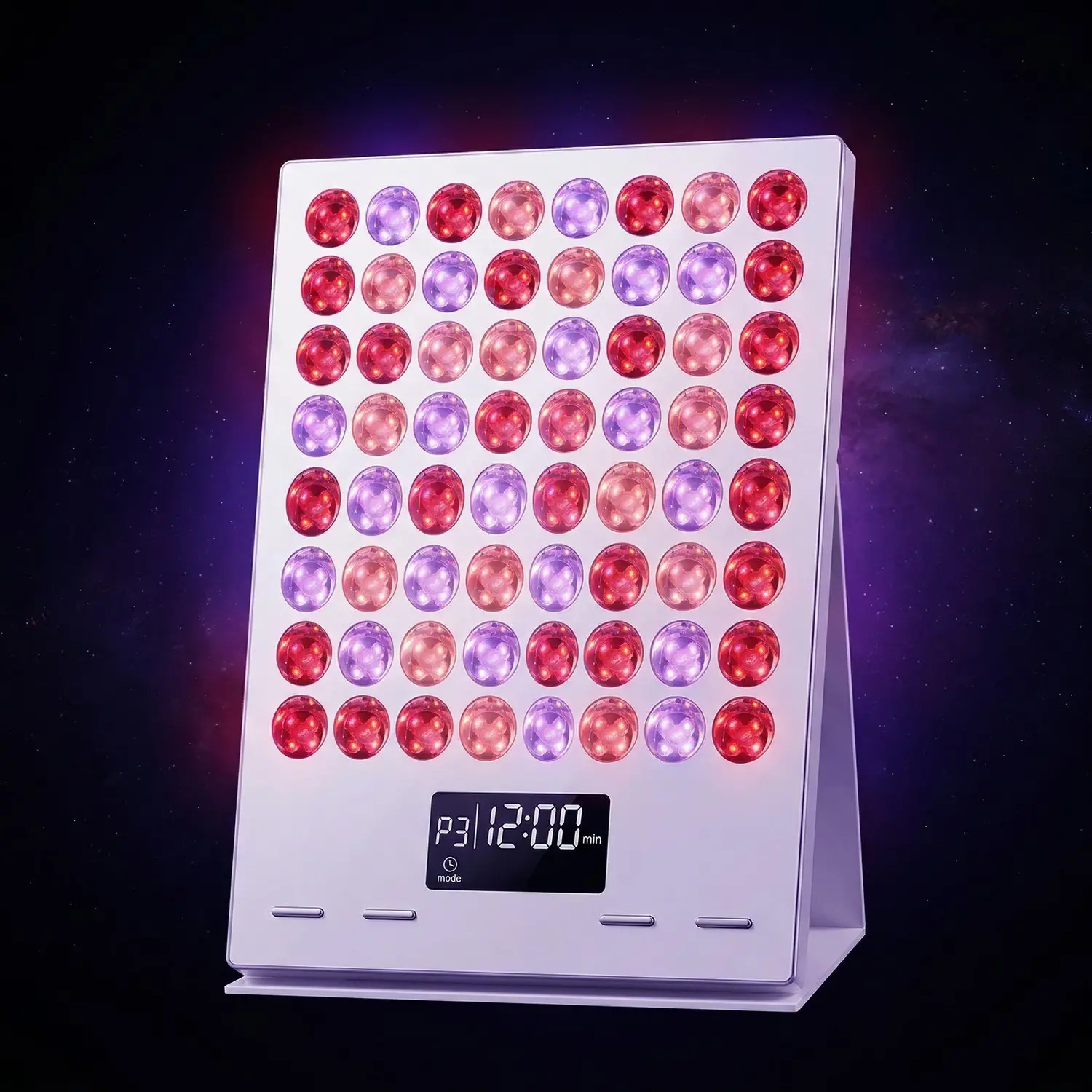
Best for Anti-Ageing
LumiPanel Pro LED Light Therapy Beauty Device
$160.99
LED light therapy is one of the most evidence-supported device categories in consumer skincare. Red light (630–700nm range) has been clinically shown to stimulate fibroblasts, boost collagen synthesis, and reduce the appearance of fine lines with consistent use. The LumiPanel Pro delivers photon rejuvenation across multiple wavelengths for anti-ageing and skin brightening effects. For those whose topical routine has plateaued on texture and tone improvement, regular LED sessions represent a meaningful step up.
Frequently Asked Questions
Q: How do I know if my skin is purging or just breaking out from a product?
True purging — accelerated cell turnover bringing congestion to the surface faster than usual — only occurs with actives that increase cell turnover: retinoids, AHAs, BHAs, and some vitamin C formulations. It should occur only in areas where you already break out, and it should resolve within 4–6 weeks. If breakouts are appearing in new areas, are cystic rather than small and transient, or persist past 6 weeks, the product is likely causing irritation or comedogenicity rather than purging. Stop use and reassess.
Q: Can I layer multiple actives in the same routine?
Some active combinations work well together — niacinamide pairs well with most actives, including retinol and vitamin C. Others need separation: retinol and AHAs/BHAs together frequently cause barrier disruption and should be used on alternate nights when starting out. Vitamin C (L-ascorbic acid) is most stable at low pH and can be destabilised by high-pH products applied directly after. When in doubt, use actives in separate routines (morning and evening) rather than layering them in the same application session.
Q: At what age should I start using anti-ageing products?
Prevention is significantly more effective than correction. Dermatologists broadly recommend introducing SPF as a daily habit in your teens or early twenties, antioxidant serums (vitamin C, vitamin E) in your mid-to-late twenties, and retinoids from your late twenties onwards — earlier if you have specific concerns. The most evidence-backed anti-ageing intervention at any age remains consistent daily SPF. Starting “anti-ageing” products doesn’t mean fighting your age; it means protecting the skin health you have.
Q: Is an expensive skincare product always better than a budget one?
Not inherently. Price in skincare reflects many factors — including packaging, fragrance, brand positioning, and marketing — that have no bearing on efficacy. The active ingredients and their concentrations are what matter. A well-formulated drug-store moisturiser with ceramides, fatty acids, and cholesterol can outperform a luxury cream with the same actives at lower concentrations. Reading ingredient lists and understanding what you’re buying (and at what concentration) matters far more than price point.
✅ The Verdict
Skincare works — but not all skincare works for all people, and no skincare works without consistency and appropriate evaluation. If you recognise any of the five signs above, the most productive starting point is simplification: strip back to a cleanser, moisturiser, and SPF, allow 4–6 weeks for your barrier to stabilise, and then reintroduce actives methodically. Take weekly comparison photos. Give each product a full 8-week evaluation. The evidence-backed ingredients are unglamorous but effective — and the biggest gains often come not from adding more to your routine, but from removing what isn’t earning its place.
Ready to Build a Routine That Works?
Explore our full range of skincare devices, serums, and wellness tools — curated for real, measurable results.


About author


