No products in the cart.
Bladeless Fans vs Regular Fans: Which Is Better in 2026?

The Fan Technology Landscape in 2026
Personal fans have split into two distinct categories: bladeless fans that use air multiplier or motorised duct technology, and traditional bladed fans that rely on rotating propeller blades. Each has real advantages — the choice depends on your specific use case.
We tested both the AeroBreeze (bladeless clip-on) and the ArcticBreeze (bladed TEC cooling) for 30 days across different environments: office desk, outdoor commute, bedroom, and gym bag.
“Neither type wins outright — but for most people in most situations, bladeless wins on safety and convenience.”

Bladeless: AeroBreeze Waist Fan

Bladed TEC Cooling: ArcticBreeze Pro
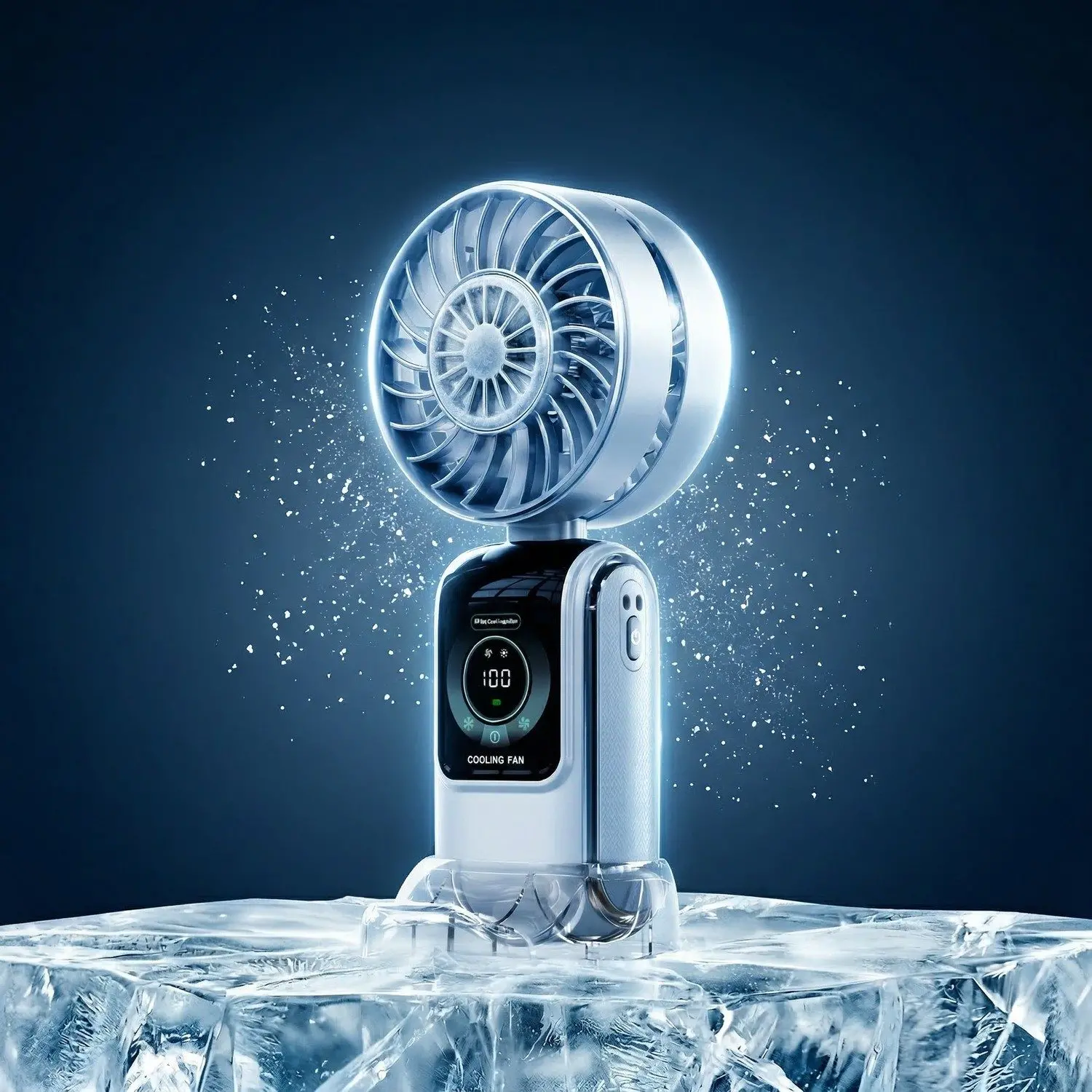
Head-to-Head Comparison
Shop All Portable Fans
Both the AeroBreeze and ArcticBreeze available at nonobrand — find your perfect cooling companion.
FAQs — Bladeless vs Regular Fans
❓ Are bladeless fans more expensive to run?
No — both types use similar power. Bladeless fans at the same airflow output actually consume slightly less energy in most cases.
❓ Which fan is better for a baby’s room?
The AeroBreeze bladeless is the only safe choice for rooms with infants or toddlers. Never use a bladed fan within reach of small children.
❓ Can a TEC fan cool a whole room?
No — TEC cooling is personal, not room-wide. It works within approximately 30cm of the outlet. For room cooling, a standard air conditioning unit or evaporative cooler is needed.
❓ Which fan is best for use in bed?
The AeroBreeze on its lowest setting — near-silent operation won’t disturb sleep, and the bladeless design is safe to leave running overnight.
External sources: US Department of Energy — Fans for Cooling
Marcus Cole
Personal care & wellness writer · April 15, 2026

About author