No products in the cart.
The $500 Billion Wellness Industry Is Changing — Here’s What’s Different for Your Daily Routine in 2026
Industry Report
The $500 Billion Wellness Industry Is Changing — Here’s What’s Different for Your Daily Routine in 2026
Data-driven insight on how personal care and wellness habits are shifting — by Jordan Blake
Something significant has shifted. The global wellness economy — now officially valued at $6.8 trillion according to the Global Wellness Institute’s 2025 Economy Monitor — has doubled since 2013, and grew a remarkable 7.9% between 2023 and 2024 alone. That’s not gym membership growth or protein powder. That’s a fundamental rewiring of how people think about taking care of themselves every single day. According to the Cleveland Clinic, foundational wellness habits such as regular movement, quality sleep, and a balanced diet remain the most evidence-supported drivers of long-term wellbeing — regardless of which consumer products or trends dominate the market.
The US market tells an even sharper story. At $2 trillion, the United States holds nearly one-third (32%) of the entire global wellness economy, with Americans spending more than $6,000 per person annually on wellness, according to GWI’s 2025 Geography of Wellness research. And that spending isn’t concentrated in hospital wings or spa treatments — increasingly, it shows up in your bathroom cabinet, on your bedside table, and in the minutes you spend getting ready in the morning.
This article breaks down what the data actually says, which habits are changing fastest, and what these macro shifts mean for the products most of us already use — or should be using.
“The wellness market has doubled since 2013 and is growing at 7.9% annually — now representing 60% as much spend as all global health and medical expenditures combined.”
— Global Wellness Institute, Global Wellness Economy Monitor 2025
What the Numbers Actually Say
Before we talk habits, let’s establish the data floor. The headline “$6.8 trillion” encompasses eleven distinct market sectors tracked by the Global Wellness Institute, from physical activity and nutrition to wellness real estate. But the segments most relevant to everyday consumers are growing in very specific directions.
The oral care market is on track to hit $58.2 billion globally in 2026, according to Future Market Insights, expanding to $95.7 billion by 2036 at a 5.1% CAGR. In the US specifically, Nova One Advisor values the domestic oral care market at $6.06 billion in 2025, growing to $10.13 billion by 2035. Electric toothbrushes alone represent a $3.67 billion global market in 2026, forecast to reach $5.32 billion by 2034 (Fortune Business Insights), growing at a 4.73% CAGR — with some analysts projecting even steeper growth of 9.4% over the same window (Technavio).
The broader US beauty and personal care market was valued at $109.56 billion in 2025 (Grand View Research), expected to reach $196.33 billion by 2033 at a 7.7% CAGR. Meanwhile, a 2025 health and wellness halftime report from Fitt Insider found wellness is prioritized by 84% of US consumers, with Americans collectively budgeting $1.1 trillion for wellness — and 78% saying they’ll spend the same or more going forward.
$6.8T
Global wellness economy value (GWI, 2024)
Global wellness economy value (GWI, 2024)
$58.2B
Global oral care market projected for 2026 (Future Market Insights)
Global oral care market projected for 2026 (Future Market Insights)
84%
US consumers who prioritize wellness in their budget (Fitt Insider, 2025)
US consumers who prioritize wellness in their budget (Fitt Insider, 2025)
📊 Sources: Global Wellness Institute Global Wellness Economy Monitor 2025 (Nov 2025) · Future Market Insights Oral Care Market Forecast 2026–2036 (Jan 2026) · Fitt Insider Health & Wellness 2025 Halftime Report · Grand View Research US Beauty & Personal Care Market 2025
The 4 Biggest Shifts in Personal Care Habits
Behind the market numbers are behavioral changes that are quietly reshaping the products people buy, the routines they keep, and the expectations they bring to every item in their bathroom. Here’s what’s actually moving.
1. The Preventive Care Mindset
The biggest cultural pivot of the past three years isn’t treatment — it’s prevention. Consumers are increasingly approaching personal care the way their physician approaches medicine: what stops the problem before it starts? In oral health, this means flossing isn’t an afterthought anymore — it’s a cornerstone. In skin care, it means SPF at 25, not 55. The Ameritas Key Dental Market Trends 2026 report notes elevated dental utilization driven partly by consumers catching up on deferred care, but also by a cohort actively investing in preventive oral hygiene at home.
💡 What this looks like in practice: Consumers are spending more on tools that support daily prevention — electric toothbrushes, water flossers, UV sanitizers — rather than waiting for professional intervention to fix problems.
2. The “Clinical at Home” Trend
Devices once exclusive to dental clinics and dermatologist offices are now mainstream consumer products. Sonic toothbrushes operating at 40,000+ RPM, water flossers delivering 1,400 pulsations per minute, LED skin therapies, and facial massagers have all crossed the professional-to-home threshold in the last 24 months. The electric toothbrush market’s 9.4% CAGR (Technavio, 2026–2030 forecast) is being powered in large part by this democratization of clinical performance. The GWI notes that wellness real estate and mental wellness are the fastest-growing segments overall (19.5% and 12.4% respectively from 2019–2024), but the clinical-at-home trend is the engine behind the sustained gains in personal care devices.
3. Ingredient Minimalism
Fewer is more — and consumers are demanding proof. The so-called “clean beauty” movement has matured into something more precise: consumers no longer just want fewer chemicals, they want better chemistry. In oral care, this is playing out as demand for fluoride formulations with transparent sourcing, single-mechanism whitening agents, and sensitivity formulas without artificial additives. In skin care, the trend is toward barrier-supporting ceramide serums and niacinamide formulations replacing sprawling 12-step regimens. The shift has forced brands to strip back, reformulate, and explain their ingredient choices on-pack in plain language.
4. The Routine-as-Ritual Shift
Perhaps the most significant behavioral change is psychological: the morning and evening routine has been reframed as self-care infrastructure, not hygiene obligation. This reframing — amplified massively by social media’s “get ready with me” culture — has elevated the importance of every product in the sequence. A $22 sonic toothbrush isn’t just a tool; it’s part of a considered daily system. A water flosser isn’t an optional add-on; it’s the final step in a complete oral care ritual. This ritualization is driving premiumization across every personal care segment, particularly among consumers aged 25–45.

What This Means for Everyday Products You Already Use
The data and the behavioral shifts described above converge at a practical point: the products that were “good enough” two or three years ago may no longer be meeting your own evolving expectations — even if you haven’t consciously articulated that yet.
Manual toothbrushes, for instance, are still used by the majority of American adults. But a 2026 Ameritas industry brief notes that clinical utilization is rising and consumer demand for at-home solutions that bridge professional-grade and everyday care is accelerating. The electric toothbrush adoption rate in the US is still under 40% — which means the majority of Americans are using a tool that delivers a fraction of the plaque removal efficacy available to them at a sub-$30 price point.
The same dynamic applies to flossing. Traditional string floss has a compliance problem — the American Dental Association estimates that fewer than 30% of Americans floss daily. Water flossers have demonstrated significantly higher compliance rates in consumer studies, largely because they’re faster, easier to use correctly, and integrate naturally into a bathroom routine. At the $40–$50 price range, they’ve entered the accessible tier for most households.
💡 The takeaway: The wellness industry’s shift toward prevention and clinical performance at home isn’t abstract. It’s an invitation to audit your own routine against what’s actually available now — often at the same price you’ve been paying for inferior tools.
Tools Driving This Shift
These are two of the products that sit squarely at the intersection of the clinical-at-home trend, the preventive mindset, and the routine-as-ritual shift. Both are available at everyday prices that make the upgrade calculus straightforward.
01
Oral Care · Editor’s Pick
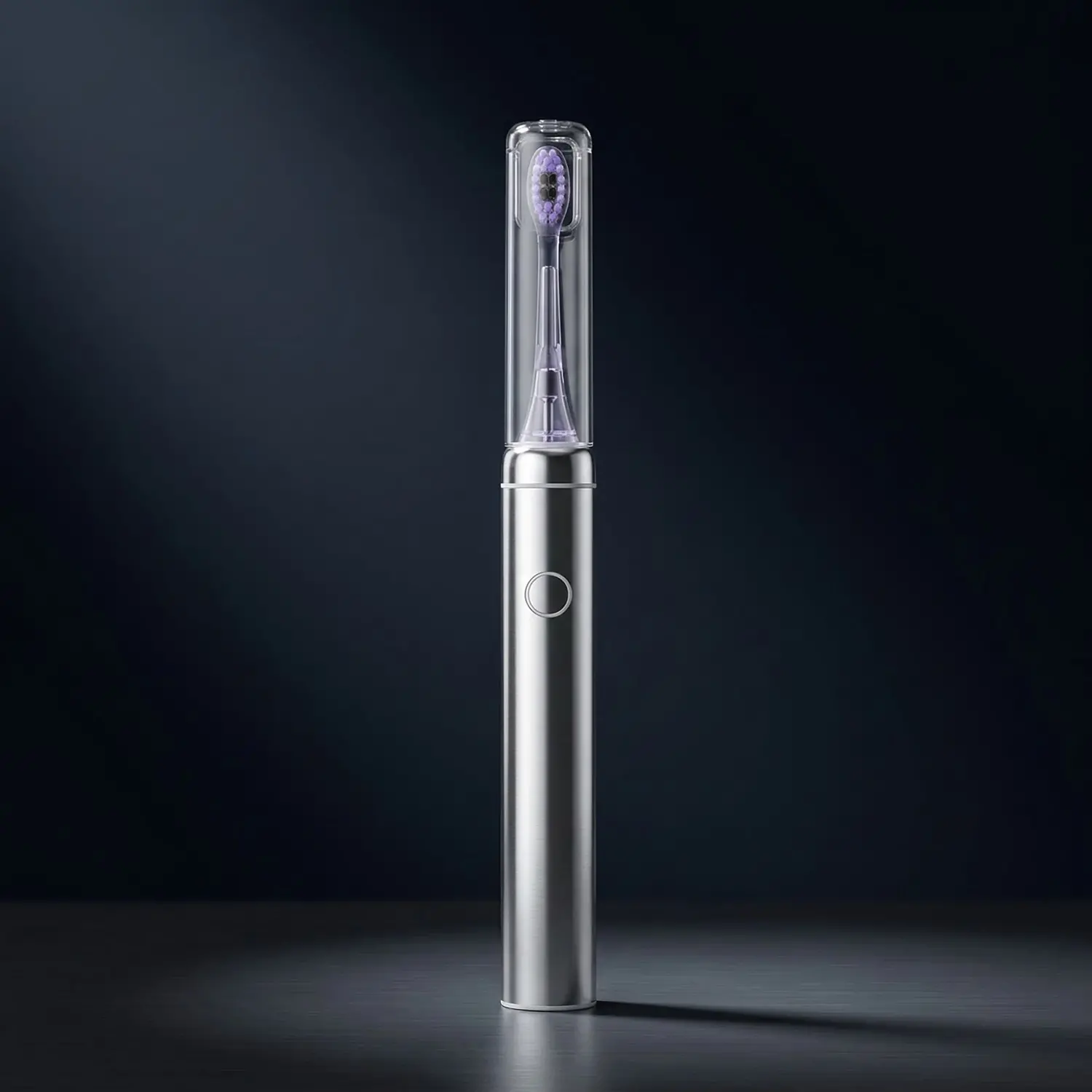
VibePulse Pro Sonic Electric Toothbrush
$21.99
Powered by a magnetic levitation motor delivering over 40,000 RPM, the VibePulse Pro sits at the clinical-at-home sweet spot — professional-grade sonic frequency without the professional price. Its built-in UV sterilization cap eliminates up to 99.9% of bacteria between uses, addressing the ingredient-minimalism crowd’s concern about tool hygiene. Four modes (Clean, Sensitive, Whitening, Massage) and 30+ days battery life on a single charge make it the rare upgrade that also simplifies your routine.
02
Oral Care · Prevention Essentials
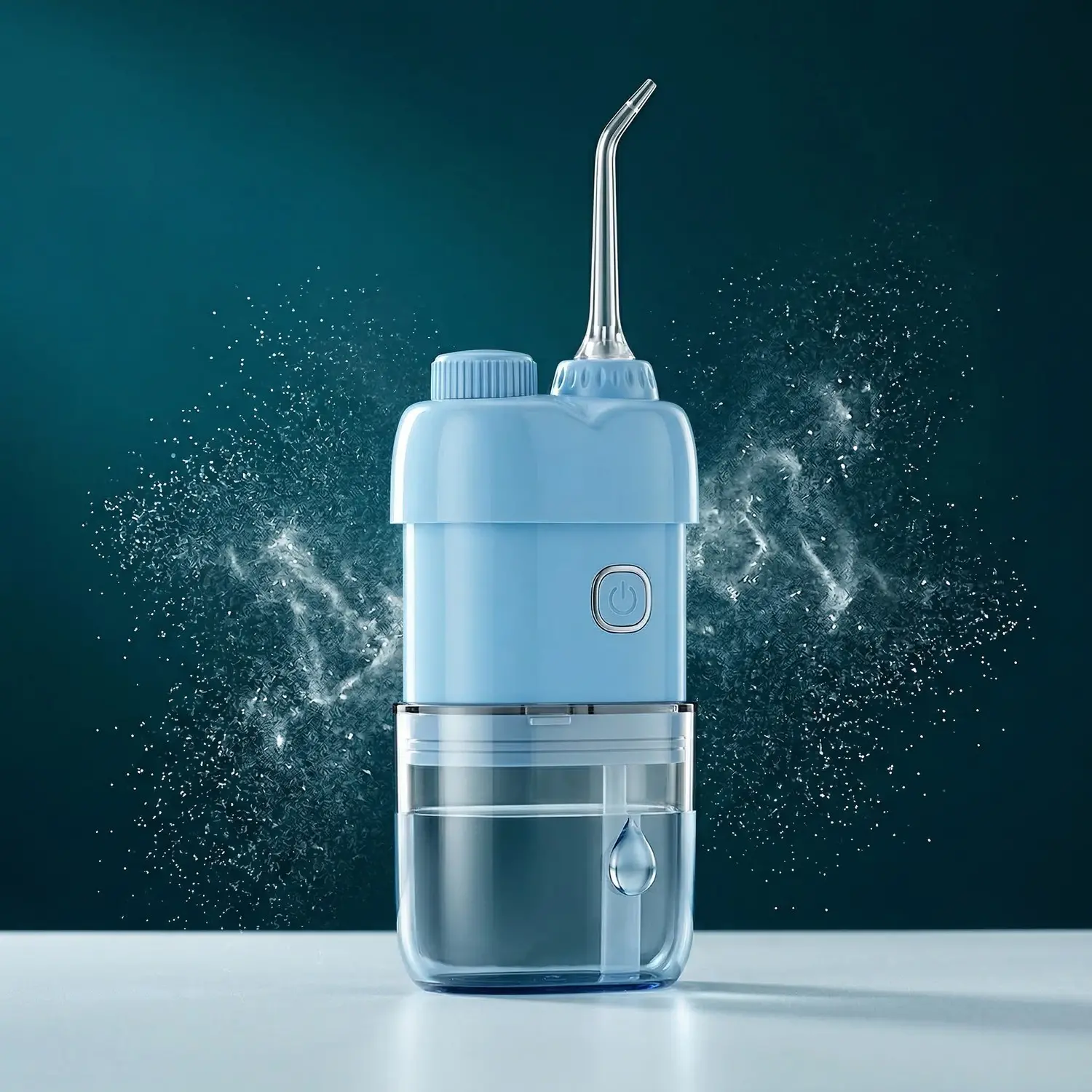
AquaFloss Pro Portable Water Flosser
$46.99
The water flosser market is expanding precisely because products like this exist. Up to 1,400 pulses per minute, a slim angled nozzle designed for braces, aligners, and implants, IPX7 waterproofing, and a USB rechargeable form factor built for travel — the AquaFloss Pro removes the friction that kills traditional flossing compliance. It’s the preventive-mindset product that converts intention into habit, in under 60 seconds per use.

What to Watch in the Next 12 Months
The wellness industry’s current trajectory points toward a handful of developments that will likely reshape consumer behavior and product categories through early 2027.
AI-Assisted Personal Care
The electric toothbrush market’s 9.4% CAGR (Technavio) is being partly attributed to AI integration — pressure sensors, brushing pattern feedback, and app-connected coaching. Expect this to accelerate as consumer comfort with health-adjacent data collection grows. The broader implication: products will get smarter faster than the price points will rise.
Oral–Systemic Health Connection Mainstreams
Research connecting oral microbiome health to cardiovascular disease, metabolic function, and cognitive health has been building for years. In 2026–2027, expect this to break into mainstream wellness discourse in the same way gut microbiome health did a decade ago. Oral care products that address the microbiome — probiotics, oil-pulling formulations, targeted antimicrobial rinses — will see accelerated growth.
The Premium Consolidation
Grand View Research projects the US personal care market growing to $196 billion by 2033 at a 7.7% CAGR. But growth won’t be evenly distributed. The pattern visible now — consumers spending more per product while purchasing fewer total products — is the “ingredient minimalism” trend expressed financially. Brands offering clinical performance at accessible price points will gain disproportionate market share from both the mass and premium tiers.
Routine Compression
As the “ritual” framing of morning and evening routines matures, a counter-movement is already forming: products and formats that compress routines without sacrificing efficacy. All-in-one formulations, faster-acting devices, and subscription models that ensure you never run out are all expressions of the same underlying demand — make the routine sustainable for the long term.

Frequently Asked Questions
How big is the global wellness industry in 2026?
According to the Global Wellness Institute’s 2025 Economy Monitor, the global wellness economy reached $6.8 trillion in 2024 and is forecast to grow to $9.8 trillion by 2029. Growth averaged 7.9% annually from 2023 to 2024. The US market alone is valued at $2 trillion — the world’s largest — with Americans spending over $6,000 per person each year on wellness products and services.
What are the biggest personal care wellness trends for 2026?
The four dominant trends shaping personal care in 2026 are: the preventive care mindset (investing in daily tools to avoid future problems), the “clinical at home” movement (consumer adoption of professional-grade devices), ingredient minimalism (fewer, better-explained ingredients in all categories), and the routine-as-ritual reframing that elevates daily care habits into intentional self-care systems.
Is the oral care market growing in 2026?
Yes — significantly. The global oral care market is projected to reach $58.2 billion in 2026 (Future Market Insights), with the US domestic market at $6.06 billion and growing to $10.13 billion by 2035. The electric toothbrush segment specifically is growing at 4.7–9.4% CAGR depending on the forecast model, driven by rising oral health awareness, AI integration, and the shift toward at-home clinical performance.
Are Americans spending more or less on personal care and wellness?
More — and they plan to continue. Fitt Insider’s 2025 halftime report found that wellness is prioritized by 84% of US consumers, with Americans collectively budgeting $1.1 trillion for wellness, and 78% indicating they will maintain or increase spending. KPMG’s Consumer Pulse Summer 2025 data similarly shows US consumers holding strong on health and wellness spending even amid broader economic uncertainty, treating it as a non-discretionary category.
Upgrade Your Daily Routine
Explore personal care tools built for the way health-conscious consumers actually live — practical, effective, and built to last.


About author