No products in the cart.
The US Pet Industry Just Hit $150 Billion. Here’s What That Means for Cat Owners in 2026
Industry News
The US Pet Industry Just Hit $150 Billion. Here’s What That Means for Cat Owners in 2026
Numbers, trends, and what’s actually changing for everyday cat owners — by Riley Harper
The numbers are hard to ignore. The US pet market reached $151.3 billion in 2024 — and by the close of 2025, Capital One estimated total consumer spending on pets had surged to $157 billion. Mordor Intelligence now values the market at $165.6 billion for 2026, with projections pointing toward $228 billion by 2031 at a compound annual growth rate of 6.6%. In just over a decade, this industry has nearly doubled in size, outpacing many consumer staples categories and cementing pets as one of the most resilient spending categories in the American household budget. According to the AVMA’s US Pet Ownership Statistics, more than 70% of US households now own at least one pet — a figure that has grown steadily over the past decade and shows no signs of slowing.
But strip back the macro economics and something more interesting emerges: behind every billion-dollar figure is a fundamental shift in how Americans relate to the animals they share their homes with. Pet ownership is no longer a passive lifestyle choice. It is an identity, a commitment, and — increasingly — a significant line item on the monthly budget. For cat owners in particular, 2026 brings a confluence of trends that are reshaping what products exist, what vets recommend, and how brands compete for your attention and your wallet.
“Cats are projected to be the fastest-growing segment of the US pet market, advancing at a 7.8% CAGR through 2031, driven by apartment-friendly ownership, premium cat-specific products, and expanded employer-sponsored insurance programmes.”
— Mordor Intelligence, US Pet Market Report, February 2026 · mordorintelligence.com
📋 In This Article
The Numbers Behind the Headline
It’s easy for large market figures to feel abstract. So let’s break down exactly where the money is going — and why the trajectory matters for anyone shopping for their cat in 2026.
$165.6B
US Pet Market Value in 2026
US Pet Market Value in 2026
94M
US Households Owning a Pet (APPA 2025)
US Households Owning a Pet (APPA 2025)
76.3M
Owned Cats in the US in 2025 (AVMA)
Owned Cats in the US in 2025 (AVMA)
📰 Source: Mordor Intelligence, US Pet Market Report, February 2026 — mordorintelligence.com
📰 Source: American Pet Products Association (APPA), 2025 State of the Industry Report — americanpetproducts.org
📰 Source: AVMA, Pet Ownership and Demographics Sourcebook 2025 — avma.org
The four core segments driving this growth are food (38.7% of the total market in 2025, with fresh and frozen formats experiencing double-digit growth), veterinary services (the largest single revenue generator, forecast to expand at 16.5% CAGR through 2031), pet supplies and accessories (fuelled by tech integration and wellness positioning), and pet services — grooming, boarding, daycare — which are growing fastest of all. The average US household is now projected to spend $1,445 per pet annually by the end of 2026, rising to $1,733 by 2030.
Critically, cat ownership is no longer the secondary story it once was. The AVMA’s 2025 Pet Ownership and Demographics Sourcebook records 76.3 million owned cats in the United States — up from 73.8 million in 2024 and 59.8 million in 1996. The gap with dogs in terms of new acquisitions is also narrowing rapidly: in 2025, 47.6% of households that acquired a pet reported getting a cat, up from 43.5% just two years earlier. Cats, in short, are winning.
The Humanisation of Pets — What It Actually Means

The phrase “pet humanisation” has been used in industry reports for at least a decade, but in 2026 it describes something very specific and measurable. According to the APPA’s 2025 Dog & Cat Report, there has been a record-breaking rise in cat ownership combined with deepening human-animal bonds and a growing focus on proactive pet wellness. This isn’t just about buying more toys. It’s a structural shift in how owners perceive their financial and emotional responsibility to their pets.
Millennials now represent the largest share of pet owners in the US at 31%, and 35% of them own cats specifically. Crucially, this demographic prioritises their pet’s preferences over price — they are willing to pay premium prices for natural ingredients, ethical sourcing, subscription-based wellness services, and preventive care. Pet insurance adoption is accelerating (Mordor Intelligence cites it as a +1.20% impact on the industry’s CAGR), and an increasing number of employers now offer pet-care benefits, adding another +0.70% growth driver. The result: pets are becoming beneficiaries of the same consumer sophistication that transformed organic food, functional fitness, and mental wellness for humans.
“Trends show a record-breaking rise in cat ownership, deeper human-animal bonds, and a growing focus on proactive pet wellness.”
— American Pet Products Association, 2025 Dog & Cat Report · americanpetproducts.org
— American Pet Products Association, 2025 Dog & Cat Report · americanpetproducts.org
For cat owners, this humanisation manifests in practical ways: upgrading from generic dry kibble to high-protein, grain-free wet food; investing in dental chews and joint supplements; booking annual wellness vet visits rather than emergency-only care; and prioritising enrichment products that keep indoor cats mentally stimulated. The “pet parent” mindset is no longer a niche attitude — it is the mainstream.
The 3 Biggest Product Trends Reshaping the Market
Three distinct product categories are experiencing outsized growth in 2026, all directly applicable to cat owners. Here’s what the industry signals are telling us.
1. Smart & Connected Pet Tech
Pet wearables, automated feeders, GPS trackers, and app-connected fountains are transitioning from novelty to necessity. Dogtopia’s 2026 industry outlook specifically names demand for pet wearables and growth in the pet fitness market as two of the year’s defining trends. Mordor Intelligence attributes digitally-enabled services as a key structural driver of the market’s 6.6% CAGR. For cat owners, this materialises as smart litter boxes, motion-triggered cameras, and — most practically — USB-powered recirculating water fountains that ensure cats stay properly hydrated without daily maintenance. Proper hydration is one of the most significant preventive health measures for cats, directly reducing the risk of urinary tract infections and kidney disease.
2. Wellness-First Consumables (Supplements, Dental, Hydration)
Pet supplements and functional treats are gaining serious traction. The APPA’s research highlights a market-wide move toward proactive wellness spending — owners investing in prevention rather than reacting to illness. This includes omega-3 supplements, probiotic chews, dental hygiene products, and hydration-support formulas. In the context of veterinary visits declining by roughly 3% in 2025 even as vet revenue rose 2.5% (AVMA data), it’s clear that owners are supplementing professional care with at-home wellness routines. Cat-specific products in this space — dental gels, calming supplements, hairball-control treats — are among the fastest-growing subcategories in the broader pet supplies segment.
3. Enrichment Products (Beyond Basic Toys)
The third major trend is enrichment — specifically, the move away from passive toys toward products that actively engage a cat’s hunting instincts, problem-solving abilities, and need for sensory stimulation. Research consistently shows that indoor cats deprived of adequate stimulation develop stress-related behaviours, from over-grooming to aggression. Industry data shows the enrichment category expanding rapidly as cat owners who identify as “pet parents” invest in multi-feature toy sets, puzzle feeders, and interactive play systems. Cat acquisition increasing by 2.2% year-over-year (Meow Franchising analysis, 2026) is also adding a wave of first-time cat owners who are actively researching best practices — and enrichment tops every recommendation list.
What This Means If You Own a Cat in 2026
All of this market data has concrete, practical implications for everyday cat owners. Here’s how the macro trends translate into decisions you may already be facing.
💧 Hydration is the new frontier of cat health. Cats evolved as desert animals with a low thirst drive — they’re designed to get most of their moisture from prey. An indoor cat on a dry-kibble diet is chronically under-hydrated. Running water encourages cats to drink more, which is why circulating fountains are experiencing strong adoption growth in 2026. If your cat is on dry food, a good fountain is arguably the single highest-ROI wellness upgrade you can make.
🧠 Mental stimulation is as important as physical exercise. The enrichment trend is backed by veterinary behavioural science. Cats need 15–30 minutes of active play daily to maintain healthy stress levels and cognitive engagement. With indoor cats living longer than ever — average lifespan now exceeds 15 years for well-cared-for cats — enrichment investment pays dividends over a much longer ownership period.
💰 Budget for proactive care, not just emergencies. Younger pet owners spending more than any other demographic (Dogtopia, 2026) are doing so largely through preventive investment: premium food, supplements, and regular vet check-ups. The AVMA data shows veterinary costs rising even as visits fall — pricing your cat’s care as a regular monthly budget item rather than an irregular emergency expense will serve you far better financially.
🌱 Sustainability matters — and the products reflect it. Eco-friendly pet care options are a named 2026 trend (Dogtopia’s outlook). Look for products with BPA-free materials, recyclable packaging, and refillable components. These products aren’t just environmentally conscious — they’re often better made and longer-lasting.
Products Aligned With These Trends
These two products from Nonobrand’s pet range sit squarely at the intersection of the hydration-tech and enrichment trends driving the 2026 market.
1
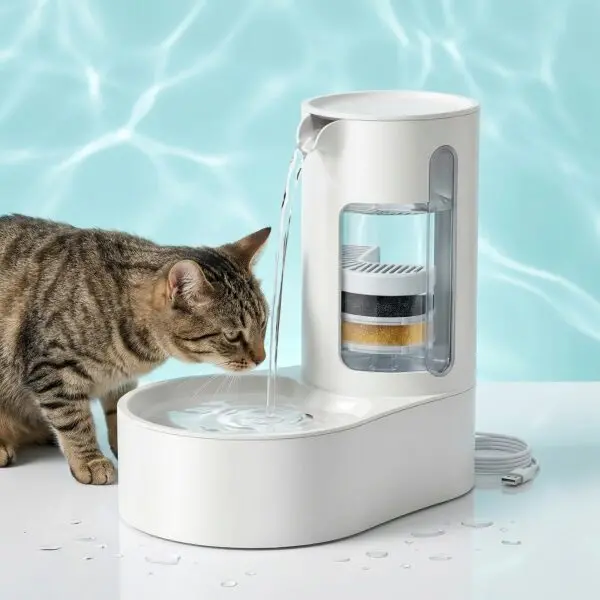
Hydration Tech
FlowPure 4L Wireless Pet Water Fountain
$18.99
A direct response to the hydration-first wellness trend. The 4L capacity means less daily maintenance, the triple-stage filtration (cotton pre-filter + activated carbon + ion-exchange resin) removes chlorine and heavy metals, and the ultra-silent pump (under 30 dB) won’t startle your cat. USB-powered, BPA-free, and built with a visible water-level window. Exactly the kind of quietly smart, wellness-oriented product that defines the 2026 pet tech segment.
2
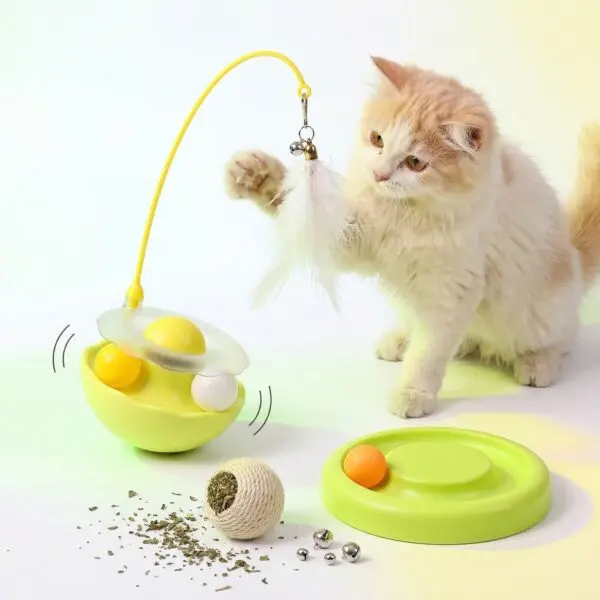
Enrichment
PlayPaw Tumbler Cat Toy Set
$3.99
Three-piece enrichment kit in one: a self-righting tumbler wand (mimics prey movement, no batteries needed), a refillable catnip ball that releases scent gradually, and a spinning turntable track that changes direction unpredictably to trigger hunting instincts. This is exactly the kind of multi-stimulus, budget-accessible enrichment product that the 2026 market is rewarding — and your cat’s brain will thank you for it.

What to Watch in the Next 12 Months
The pet industry rarely moves in a straight line. Based on current data signals, here are four developments to watch closely over the rest of 2026:
- Cat insurance goes mainstream. Mordor Intelligence identifies rising pet insurance adoption as a key CAGR driver. As premiums become more accessible and employer-sponsored pet benefits expand, expect a surge in insured cats — which historically correlates with higher vet visit rates and more proactive wellness spending.
- Fresh and frozen cat food disrupts dry kibble dominance. Food commands 38.7% of the total pet market, and fresh/frozen formats are growing at double-digit rates. Subscription-based fresh cat food services — already well-established for dogs — are scaling aggressively into the cat segment. Watch for mainstream retail shelving shifts by Q3 2026.
- AI-powered pet health monitoring. The pet wearables and smart home device space is converging with AI diagnostics. Litter boxes that monitor urination frequency and detect early kidney disease markers are already commercially available. Expect broader adoption and integration with telehealth vet services through 2026.
- Gen Z reshapes the market. One in five Gen Z individuals already owns a pet, with a demonstrated preference for multiple pets and higher likelihood of owning cats. As this cohort enters prime earning years, their spending patterns — digital-first discovery, values-driven purchasing, strong brand loyalty — will become increasingly determinative for the entire industry.
📌 The Bottom Line
A $165 billion industry is not just a headline — it’s evidence of a fundamental reclassification of pets in American life. For cat owners in 2026, the practical upshot is positive: more products, more science, more choice, and more investment in understanding what cats actually need. The challenge is filtering signal from noise. Prioritise hydration, enrichment, and preventive care — the three areas where evidence and market momentum most clearly align.

Frequently Asked Questions
How big is the US pet industry in 2026?
According to Mordor Intelligence (February 2026), the US pet market is valued at approximately $165.6 billion in 2026, up from $155.4 billion in 2025. The market is projected to reach $228 billion by 2031 at a CAGR of 6.6%. Capital One estimated total consumer spending had reached $157 billion by the end of 2025.
Is cat ownership growing in the US?
Yes, significantly. The AVMA’s 2025 Pet Ownership and Demographics Sourcebook records 76.3 million owned cats in the US in 2025, up from 73.8 million in 2024. The proportion of pet acquisitions that are cats rose from 43.5% in 2023 to 47.6% in 2025. Industry analysis also shows cat acquisition growing approximately 2.2% year-over-year while dog acquisition declined by 0.8%.
How much do Americans spend on their cats per year?
Average annual household spending on pets is projected to reach $1,445 per pet by the end of 2026, rising to $1,733 by 2030 (Dogtopia / industry projections). Younger pet owners (ages 18–34) consistently outspend older demographics, particularly on premium food, wellness products, and professional services.
What are the biggest pet care trends for 2026?
Key pet care trends for 2026 include: smart connected pet tech (wearables, app-connected feeders and fountains), wellness-first consumables (supplements, dental care, hydration products), enrichment-focused toys and accessories, growth in pet insurance adoption, and a rapid shift toward fresh and frozen pet food formats. Sustainability is also a named trend, with eco-friendly, BPA-free, and refillable products gaining market share.
Shop the 2026 Pet Trends
From smart hydration tech to enrichment toys your cat will actually use — explore our full pet supplies range at Nonobrand.


About author