
No products in the cart.
MagSafe vs Lightning: Which Apple Charging Solution Is Right for You?
Charging your Apple device efficiently and conveniently is something you likely think about often. With Apple offering two distinct solutions — MagSafe and Lightning — it can be challenging to decide which is best suited for your needs. Both come with unique advantages, and understanding their differences will help you make an informed choice tailored to your lifestyle and device compatibility.

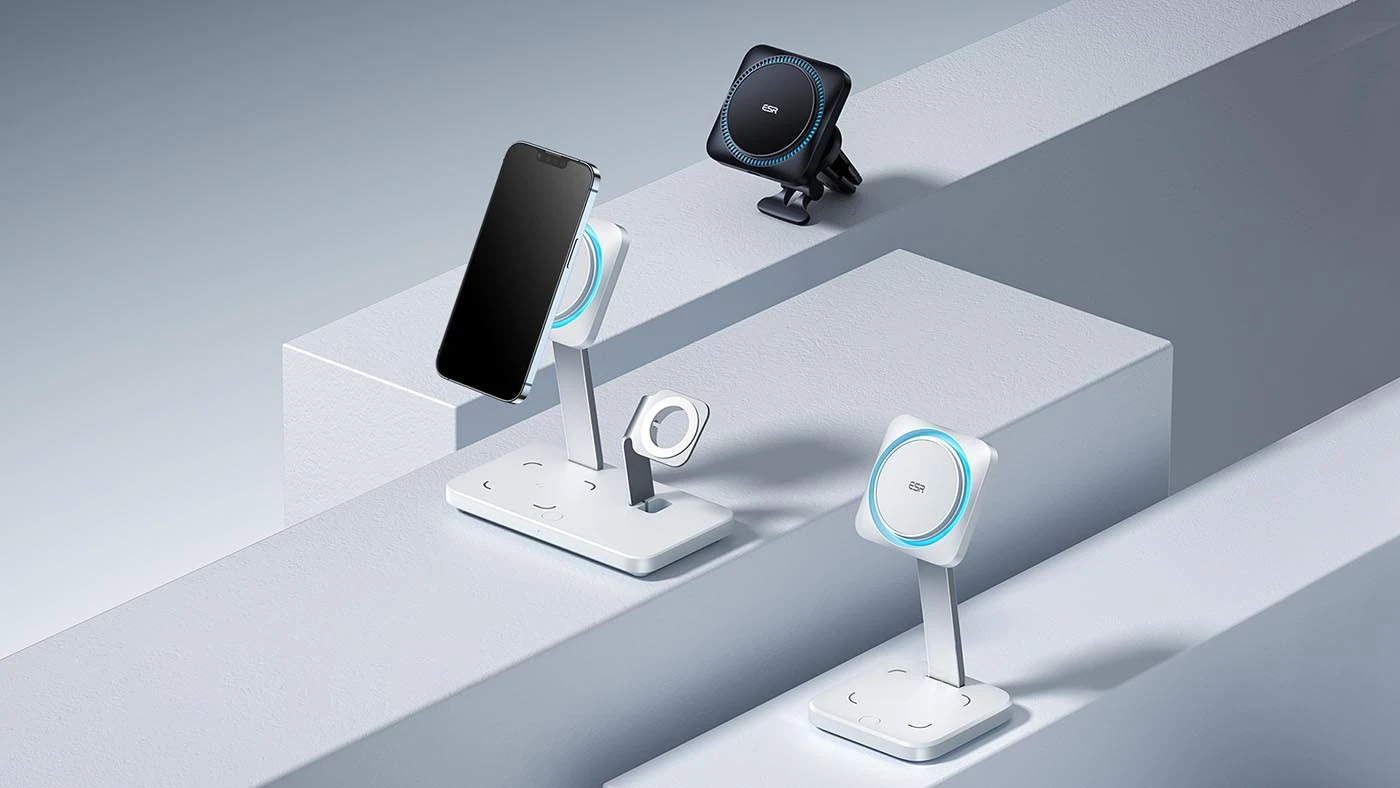
MagSafe is Apple’s proprietary wireless charging technology introduced with the iPhone 12 series in 2020. It utilizes a ring of built-in magnets on the back of your phone to perfectly align with the charger, ensuring optimized wireless charging without the frustration of misalignment often experienced with traditional wireless pads. If you value a hassle-free, wireless experience with precise placement, MagSafe stands out as a strong contender. It offers charging speeds of up to 15W and supports a growing ecosystem of accessories like wallets, stands, and car mounts that attach magnetically to your device.
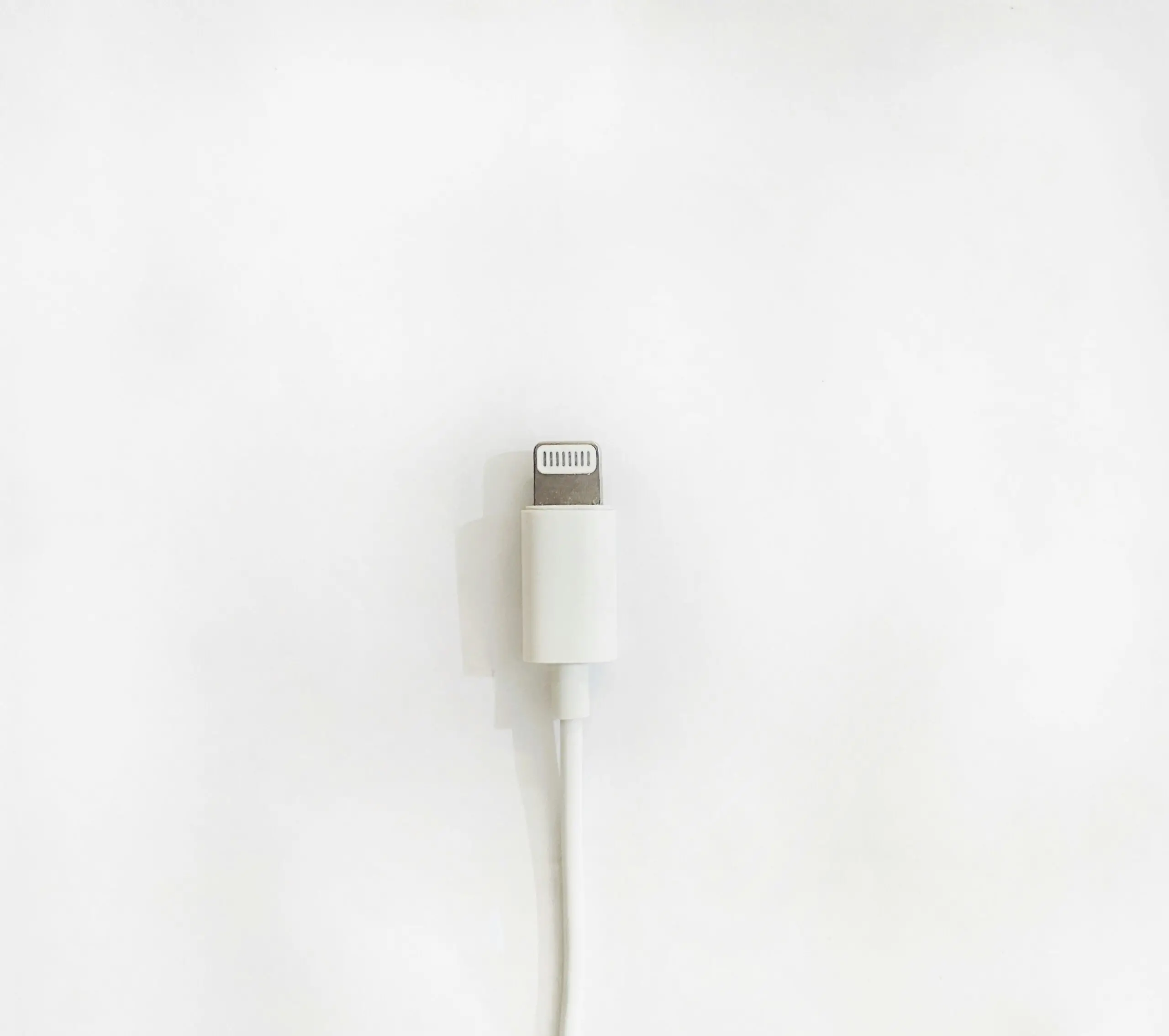
On the other hand, Lightning is a wired charging and data transfer cable Apple introduced in 2012. Its compact, reversible design has been a staple across many Apple devices, including various iPhone and iPad models. If you need faster charging — up to 20W with a fast charger — or require quick data syncing, Lightning remains unmatched in speed and reliability. Lightning cables are lightweight and portable but do require connecting physically to your device and a charging brick.
When comparing the two, think about key factors like charging speed, ease of use, and portability. MagSafe offers the convenience of wireless charging with magnetic alignment, allowing you to use your phone comfortably while it charges. Lightning cables provide faster power delivery and enable fast data transfer, but they limit mobility during charging and tend to wear down over time due to plugging and unplugging.
Regarding durability, MagSafe’s wireless nature means less physical stress on your device’s port and the cable itself, potentially extending the lifespan of your accessories. Lightning cables, although compact, commonly suffer from fraying and wear after extended use. Additionally, if you rely heavily on Apple’s older accessories or devices, Lightning supports broad compatibility, whereas MagSafe is tailored for the evolving wireless ecosystem.
In terms of future-proofing, MagSafe aligns with Apple’s vision of a wireless future and works alongside USB-C adapters, reflecting the company’s gradual shift toward cable-free charging. Meanwhile, Lightning is being phased out gradually as Apple moves towards universal USB-C solutions in newer models.
If your current device doesn’t support MagSafe charging, you can still tap into the ecosystem by using a MagSafe-compatible charging case, making it easier to transition without changing devices entirely.
For enhanced wireless charging experiences, you might consider products like the Anker MagGo Wireless Charger (Pad), which offers efficient 15W charging and strong magnetic alignment, or the Anker MagGo Wireless Charging Station (Foldable 3-in-1), ideal if you want to charge multiple Apple devices simultaneously while keeping your setup neat and portable.
Ultimately, if you prioritize convenience, seamless integration with wireless accessories, and a tidy cable-free setup, MagSafe is an excellent choice. However, if you require speed, data syncing capabilities, and extensive compatibility, Lightning continues to provide a reliable solution.
