
No products in the cart.
Is Your Indoor Cat Actually Happy? The 2026 Guide to Feline Enrichment

🐾 Cat Wellness
Is Your Indoor Cat Actually Happy? The 2026 Guide to Feline Enrichment
Cat ownership hit a record high this year — but are our cats as content as we think? Science says probably not. Here’s what the research tells us.
Here’s something that might surprise you: your cat could be stressed right now, and you’d have almost no idea. She’s fed, warm, and sleeping 14 hours a day — so she must be fine, right? Not necessarily.
In 2026, cat ownership in the US is at an all-time high. According to recent industry data, cat acquisition grew 2.2% this year while dog ownership actually declined — driven largely by millennials and Gen Z favouring apartment living, flexible routines, and lower-maintenance pets. But with more cats living entirely indoors, a quietly growing concern is emerging among vets and animal behaviourists: boredom-related stress.
This isn’t a niche issue for anxious pet parents. It’s mainstream science. And the fix is simpler — and more affordable — than most people think.
“A cat may also note an increase in problem behaviors, like excessive vocalization or biting, if they lack enrichment or appropriate playtime.” — Kristyn Vitale, Cat Researcher, Oregon State University
📋 In This Guide
- Why cats are thriving in numbers — but struggling in spirit
- The science: what boredom actually does to your cat
- 5 signs your cat is understimulated (right now)
- What enrichment really means — and what it isn’t
- The 6 types of enrichment every indoor cat needs
- Building a simple daily enrichment routine
- Where to start: a few things worth having at home
- FAQs
Why Cats Are Thriving in Numbers — But Struggling in Spirit

The numbers tell a clear story. Cat acquisition outpaced dogs in 2026 for the first time in recent memory — driven by urban lifestyles, smaller apartments, and the appeal of an independent companion. On paper, it’s a golden age for cats.
But here’s the irony: the same conditions making cats the pet of choice for modern living — smaller spaces, owners away at work, no outdoor access — are also the conditions most likely to cause feline psychological stress. Wild and feral cats roam an average of 1,351 acres in their lifetime. Most indoor cats live in under 1,000 square feet.
2.2%Rise in cat acquisition in 2026 vs prior year
60%Of US cats are now kept exclusively indoors
14–16hAverage daily sleep — masking boredom behaviours
The 2026 pet parenting trend report from Pet Krewe puts it plainly: “For cats especially, enrichment is not optional — it is strongly tied to stress reduction and behaviour health.”
The Science: What Boredom Actually Does to Your Cat
Cat boredom isn’t just a personality quirk — it has measurable physiological effects. Research published in the journal Animal Welfare (Henning, 2022) found that play deprivation in domestic cats is associated with negative affective states and reduced welfare outcomes. In plain language: a bored cat isn’t just grumpy, it’s genuinely stressed.
According to PetMD, cat researcher Kristyn Vitale from Oregon State University explains that when animals lack environmental variety, they develop stereotypic behaviours — repetitive, compulsive actions that signal psychological distress. These include:
- Over-grooming or fur pulling
- Pacing or circling the same route repeatedly
- Excessive, unprompted vocalisation
- Redirected aggression — biting or scratching people for no apparent reason
- Destructive scratching of furniture
⚠️ Important: Many of these signs are subtle and develop slowly. A cat that suddenly starts over-grooming or vocalising more than usual may not “just be being difficult” — she may be telling you she needs more mental stimulation.
5 Signs Your Cat Is Understimulated Right Now

Most signs of feline boredom are easy to miss — or easy to rationalise as “just how my cat is.” Here are five red flags to watch for:
1. She Sleeps More Than Usual (Even for a Cat)
Cats sleep 12–16 hours a day normally. But if your cat is sleeping well beyond that and barely interested in moving when she is awake, it’s less “lazy cat” and more “nothing worth doing.”
2. She Follows You From Room to Room, Relentlessly
This often gets misread as affection. Sometimes it is — but it can also mean your cat has no independent activities and you are her only source of stimulation. That’s a lot of pressure on both of you.
3. She Eats Out of Boredom, Not Hunger
According to PetMD veterinarian Dr. Krista Seraydar, pet obesity data continues to show high rates in cats and dogs, and boredom eating is a significant contributing factor. A puzzle feeder can help address both issues simultaneously.
4. She Wakes You Up at 3 AM
Cats are crepuscular — most active at dawn and dusk. If she’s waking you at night, it’s often because she has pent-up energy with nowhere to go. Two 10–15 minute play sessions in the evening can dramatically reduce night-time disruptions.
5. She’s Developed a New “Annoying” Habit
Knocking things off counters, scratching door frames, chewing cables — these are classic attention-seeking and stimulation-seeking behaviours. Before assuming it’s a personality flaw, ask: when did she last have a genuinely engaging play session?
What Enrichment Really Means — and What It Isn’t
“Enrichment” is one of those words that’s become so broad it can mean almost anything. So let’s be precise about what animal welfare science actually defines it as.
Enrichment improves an animal’s well-being by tapping into instinctive behaviours — stalking, pouncing, scratching, scent-marking, and exploring — while giving cats a safe outlet for those drives. The goal isn’t to tire your cat out. It’s to give her a reason to use her brain.
💡 Key insight from research: Cat behaviourist Kristyn Vitale notes that when animals are given too many choices at once, they may not engage with any of them. Offer a rotation of 2–3 enrichment types at a time, not an overwhelming pile of options.
The 6 Types of Enrichment Every Indoor Cat Needs

The Spruce Pets and animal welfare researchers consistently identify six core enrichment categories for indoor cats. Think of these as the six pillars of a content cat life:
1. 🎯 Predatory Play (The Most Important)
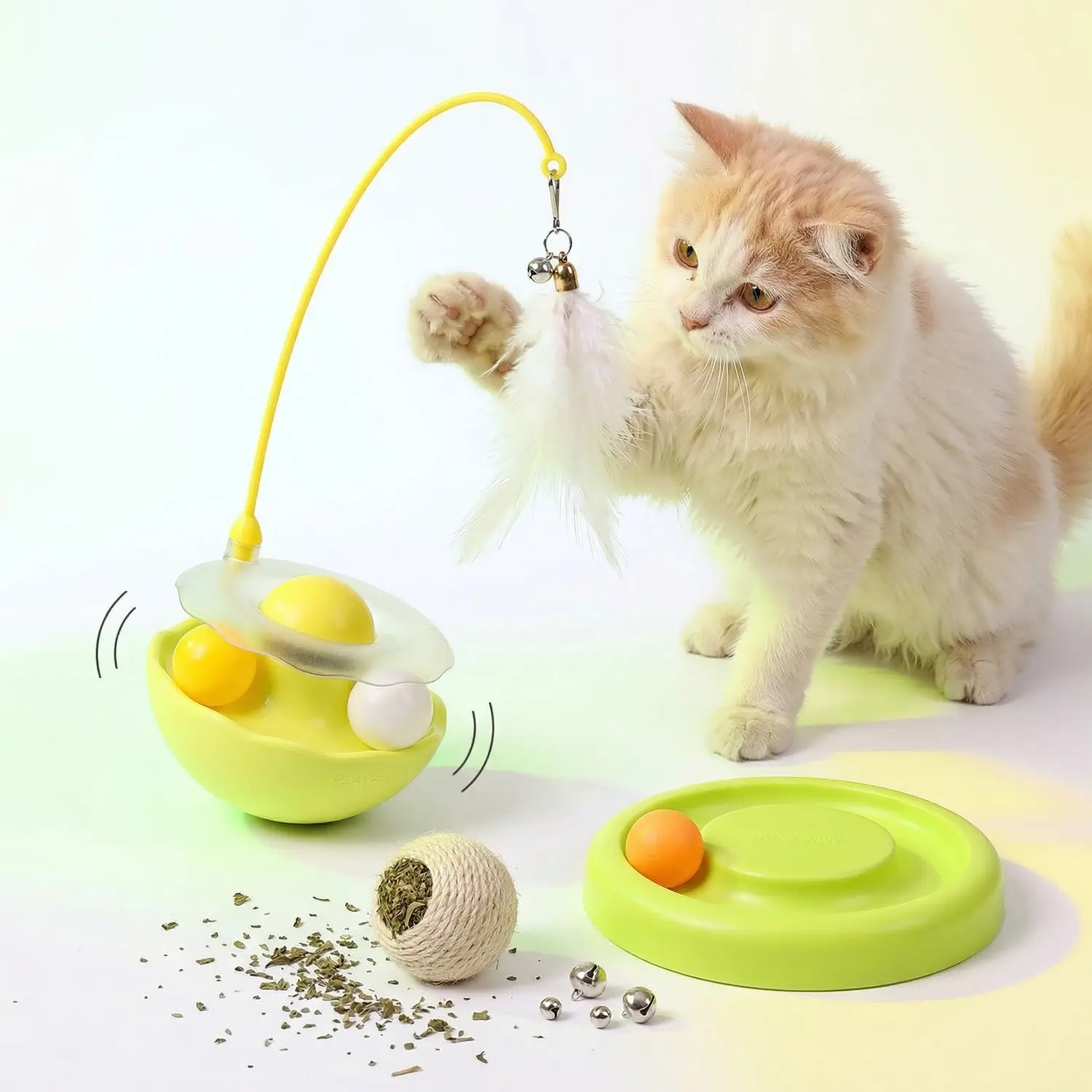
Cats are obligate hunters — their brains are wired to stalk, chase, and catch. Without an outlet for this drive, stress accumulates. Wand toys, tumblers, and feather toys that mimic prey movement are the gold standard. Dr. Seraydar recommends two to three 10–15 minute sessions daily, timed around dawn and dusk when cats are naturally most active.
2. 🧩 Cognitive Challenges (Puzzle Feeders)
Puzzle feeders combine mealtime with mental work. Instead of eating from a bowl in 30 seconds, your cat spends 10–15 minutes solving how to get her food out — mimicking the effort hunting requires. Start simple and increase difficulty gradually if she gives up too easily.
3. 👃 Scent Exploration
We underestimate how much of a cat’s world is built on smell. Vitale’s research found that cats benefit from a rotation of novel scents — the specific scent matters less than the variety. Swap toys between cat-owning friends, introduce catnip or silvervine periodically, or simply bring in outdoor items like pinecones for your cat to investigate.
4. 🪟 Visual Stimulation (A Room With a View)
A window perch is one of the highest-ROI investments in cat enrichment. Even a simple windowsill setup gives your cat a “live TV” channel of birds, squirrels, and passing traffic. If possible, place a bird feeder outside that window.
5. 📐 Vertical Space
Cats feel safest when they can observe from height. Cat trees, shelves, or even cleared bookcase tops give them elevated territory — which reduces anxiety and territorial stress, especially in multi-cat homes.
6. 💧 Hydration Enrichment
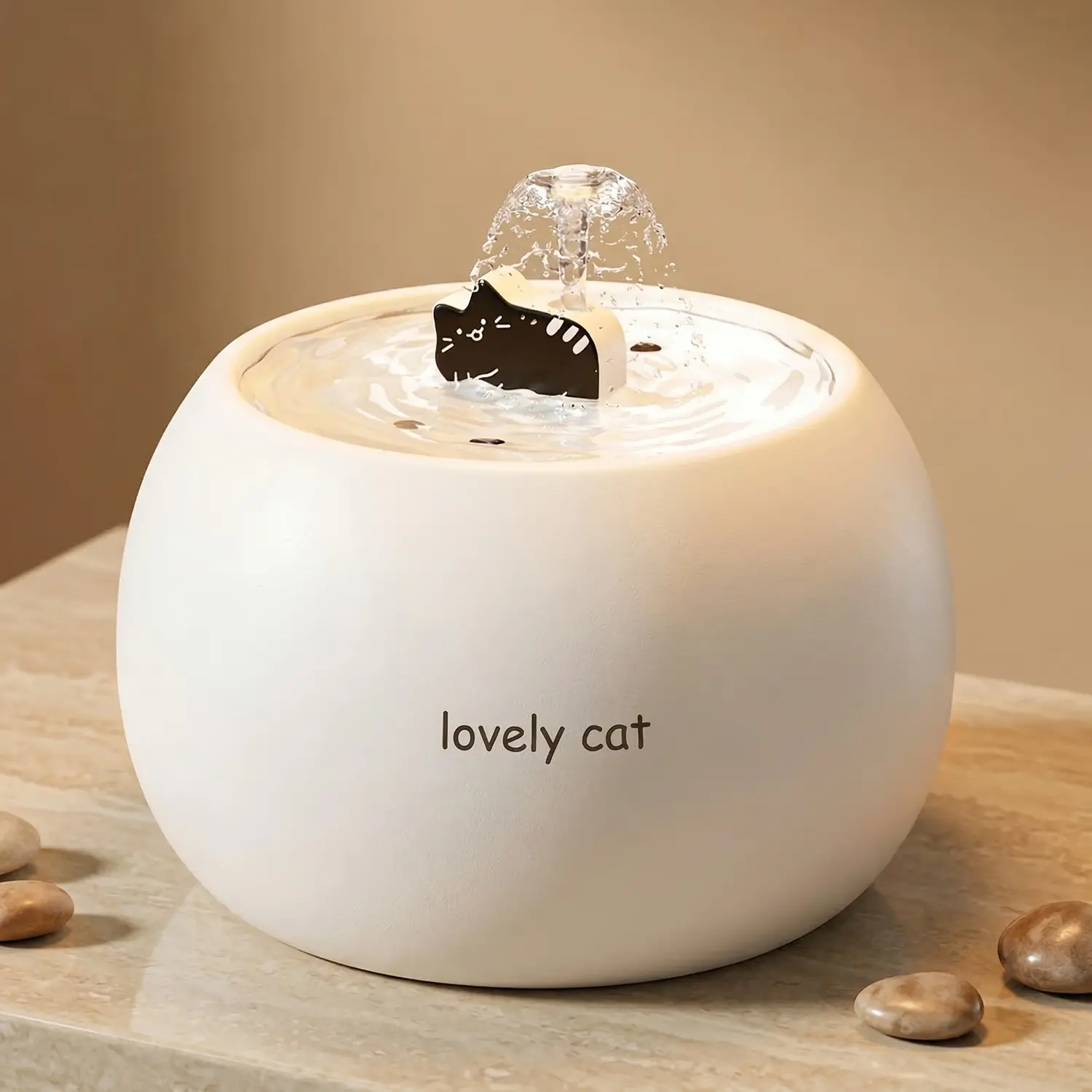
This one surprises people: moving water is itself a form of enrichment. Cats evolved from desert animals with a low thirst drive, and instinctively distrust still water (in the wild, still water is more likely to carry pathogens). A circulating water fountain appeals to both their instincts and encourages them to drink more — reducing risk of urinary tract issues, which are among the most common vet visits for indoor cats.
Building a Simple Daily Enrichment Routine

The good news: an effective enrichment routine doesn’t require an elaborate setup or hours of your time. Here’s a practical daily framework that takes less than 25 minutes total:
🌅 Morning (5 min): Swap out one toy from yesterday’s rotation. Fill the puzzle feeder if using one for breakfast.
🌆 Evening (15 min): Two interactive play sessions — wand toy or tumbler, 10 minutes, then a 5-minute “wind-down” with a slower toy to mimic the post-hunt calm.
🌙 Night check (2 min): Refill the water fountain, ensure at least one toy is accessible, check the litter box is clean. A comfortable, stimulated cat sleeps through the night.
🌆 Evening (15 min): Two interactive play sessions — wand toy or tumbler, 10 minutes, then a 5-minute “wind-down” with a slower toy to mimic the post-hunt calm.
🌙 Night check (2 min): Refill the water fountain, ensure at least one toy is accessible, check the litter box is clean. A comfortable, stimulated cat sleeps through the night.
Rotate your enrichment options weekly so nothing becomes predictable. Remember: variety is the core of enrichment, not just volume. Three rotating enrichment types used consistently outperform ten options left out permanently.
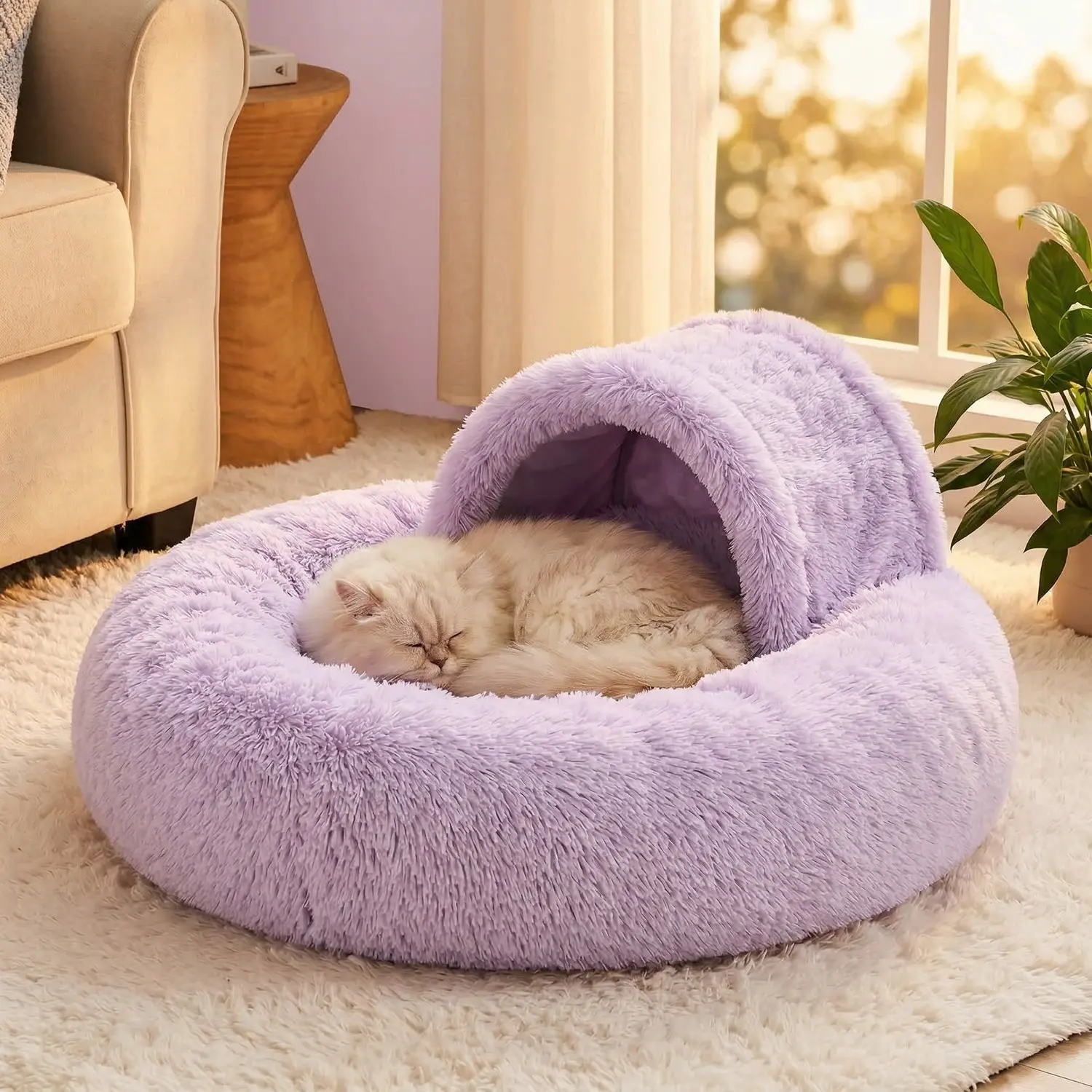
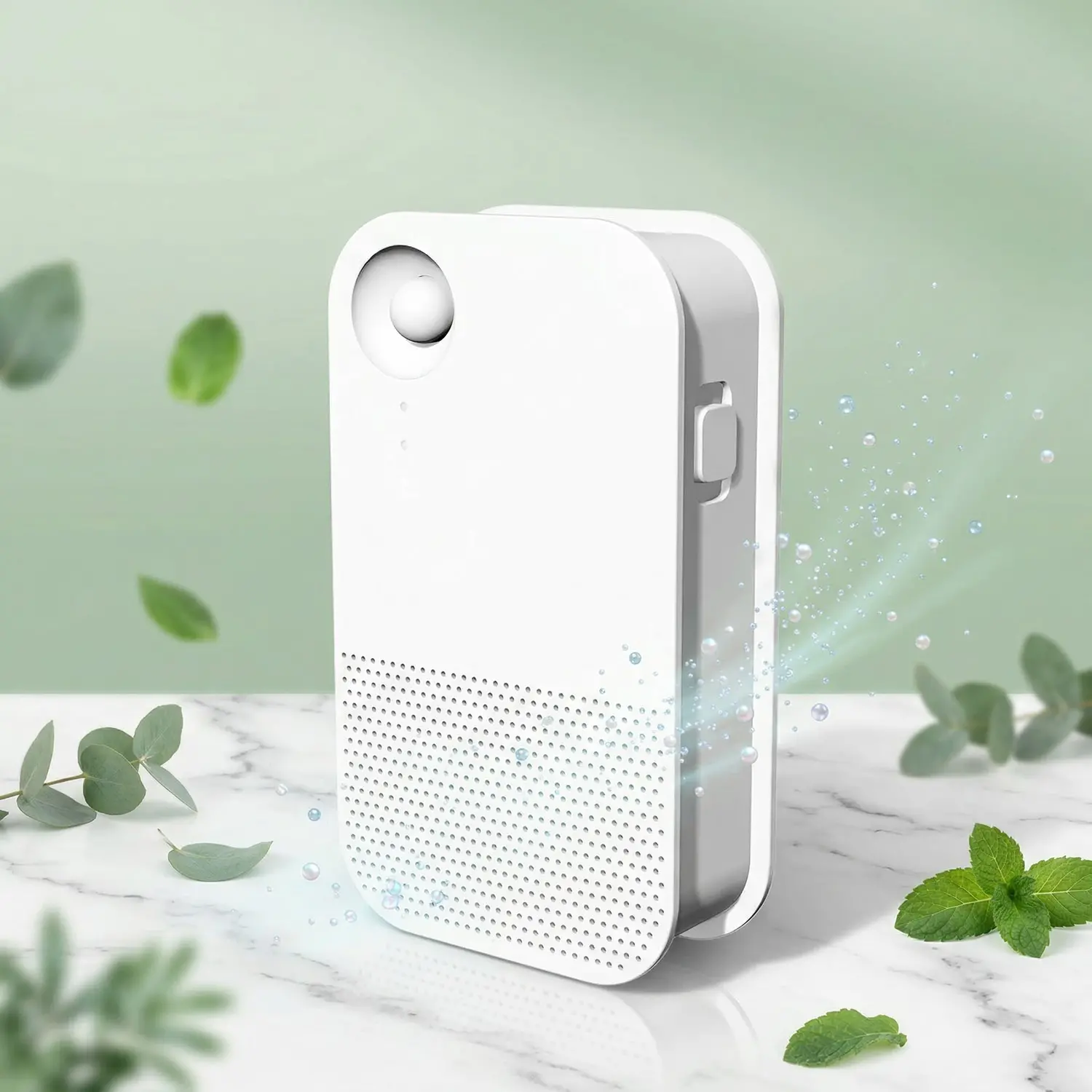
🐾 Where to Start at Home
You don’t need to overhaul everything at once. These are four simple, affordable additions that cover the most important enrichment categories — play, rest, hydration, and air quality. All available at nonobrand.net, no subscription, no markup.
Frequently Asked Questions
How much enrichment does my cat actually need per day?
According to PetMD veterinarians, cats need at least two to three interactive play sessions per day, each lasting 10–15 minutes. Beyond active play, passive enrichment — things like a window perch, rotating toys, and a puzzle feeder — should be available throughout the day. Kittens may need up to 10 shorter sessions daily.
My cat seems happy. Does she still need enrichment?
Yes — this is the most common misconception in cat care. Cats are stoic animals that hide stress well. Researcher Kristyn Vitale’s work shows that cats can display stress behaviours even when their basic needs are fully met. Think of enrichment like exercise: the absence of symptoms doesn’t mean the absence of need.
Can I give my cat too much enrichment?
Yes, ironically. Research cited by PetMD shows that too many choices at once can cause cats to disengage entirely. The key is rotation — offering 2–3 enrichment options at a time and swapping them out regularly — rather than leaving everything available all at once.
My cat won’t play with toys. What should I try?
This is common and usually fixable. First, try different toy types — some cats prefer chase (wand toys), others prefer independent batting (tumblers or balls). Timing matters too: play near dawn or dusk when cats are naturally most active. If your cat still disengages, try a puzzle feeder — even disinterested cats are usually motivated by food rewards.
Is a water fountain really necessary for indoor cats?
It’s not strictly necessary, but it makes a meaningful difference. Indoor cats are prone to urinary tract issues partly because they drink too little — a holdover from their desert-dwelling ancestors. Moving water appeals to cats’ instincts and studies consistently show cats drink significantly more from fountains than bowls. Given that UTI vet visits can cost $200–$500+, a $15–$20 fountain is a genuinely worthwhile investment.
The Bottom Line
The modern cat parent trend in 2026 isn’t about buying more stuff — it’s about being more intentional. Your cat doesn’t need an elaborate catio or a hundred gadgets. She needs variety, movement, and the chance to use her brain every day.
💡 Start Here
Pick one enrichment gap from this guide and fix it this week. Is she not playing enough? Add one interactive session at dusk. Not drinking enough? Try a fountain. Waking you at night? Add a wind-down play session before bed. Small, consistent changes compound fast — and your cat will tell you it’s working.
🐾 Simple Products. Happier Cats.
Everything your indoor cat needs for enrichment, hydration, and comfort — without the pet store markup.
Browse Pet Supplies →

About author


