No products in the cart.
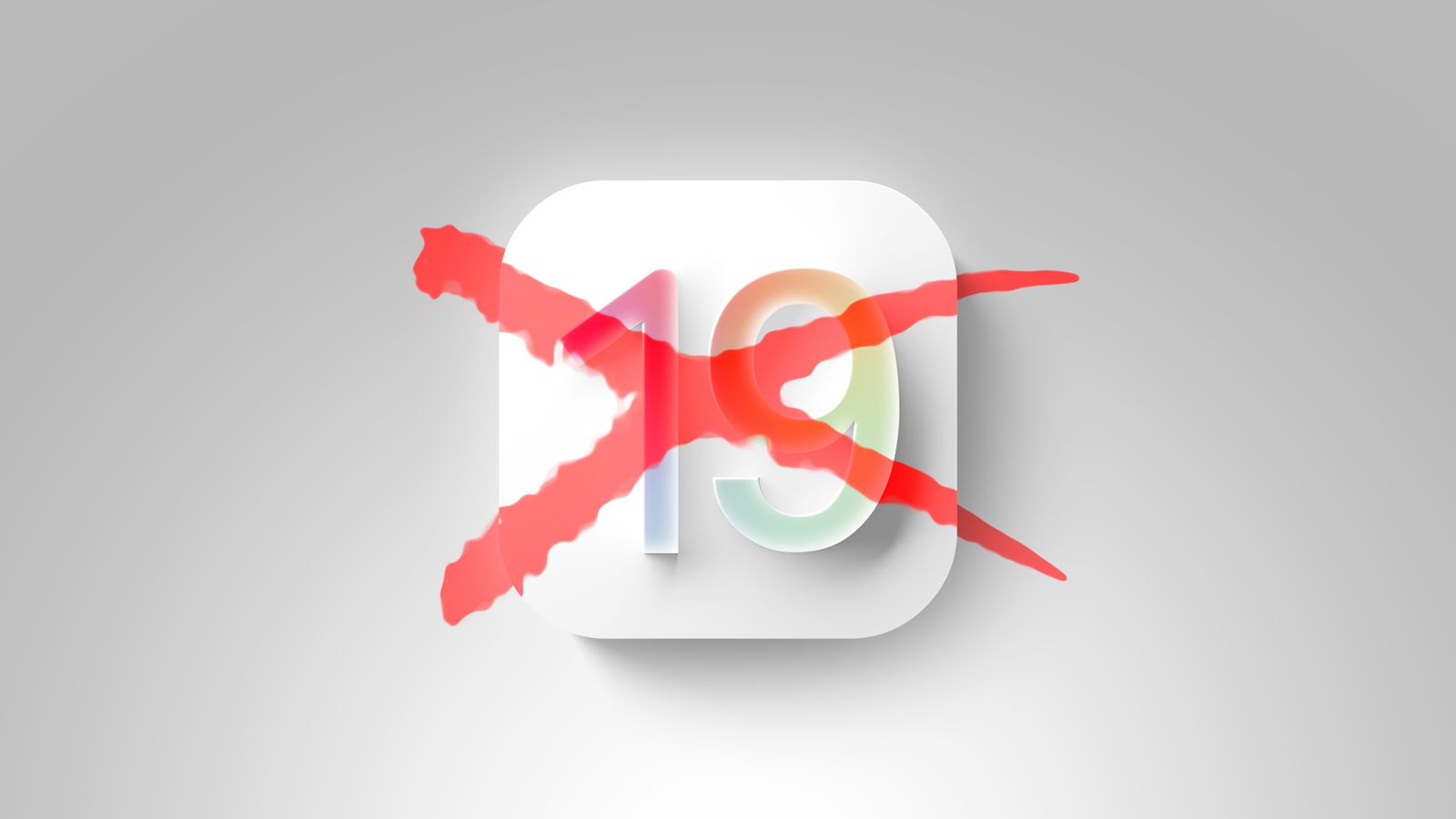
New Rumors Suggest Apple Will Announce iOS 26 Next Month
Many sources are reporting that Apple will make a significant change to its software versioning system by announcing iOS 26 at WWDC 2025, instead of iOS 19 as previously expected. This new naming approach is said to align version numbers with future release years rather than sequential version counts.
The initial rumor came from Bloomberg’s Mark Gurman, who revealed that Apple plans to start tying the version numbers of its software platforms directly to the year of their major release. According to Gurman, the next iOS update scheduled for September 2025 will be branded as iOS 26. Even though the system will officially launch in 2025, the branding will reflect the majority of the following year, 2026.
This means that by using a year-ahead convention, Apple is aligning its software updates similarly to car manufacturers who often release next-year models in the preceding year. As an example, a 2025 Honda Civic may arrive at dealerships in late 2024 but will carry the 2025 branding. You can expect Apple to follow this pattern to keep version numbers more intuitive relative to the calendar year.
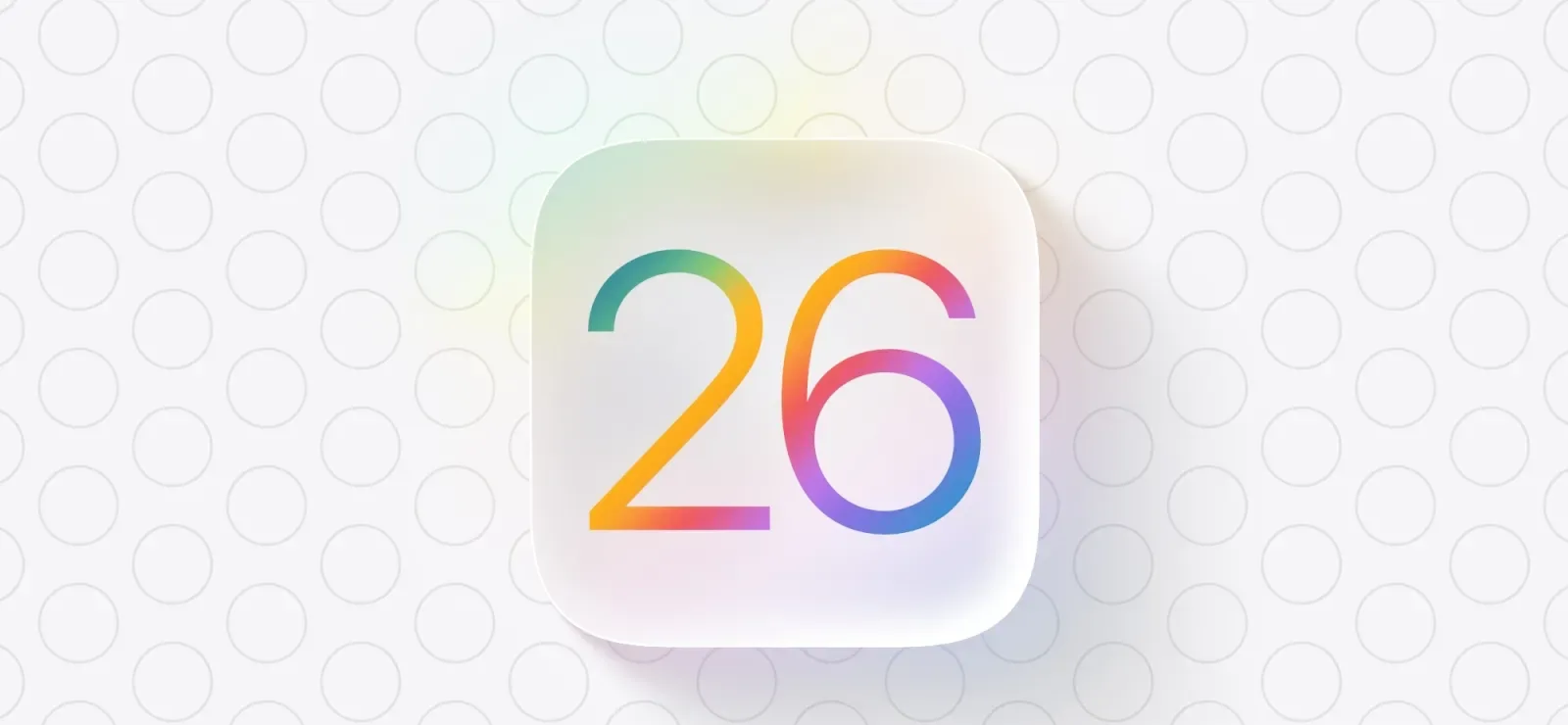
This rebranding is not limited to iOS alone. AppleInsider’s Marko Zivkovic independently confirmed on the social platform X that the “26” version branding is real. He also shared that internal testing of Apple’s macOS included mixed references, with some parts still labeled as macOS 16 while others indicated macOS 26. This suggests that Apple plans to extend this time-based naming system across all its major software platforms, which likely includes macOS, watchOS, and others.
You should anticipate official announcements about the new naming structure, as well as detailed previews of iOS 26 and other operating system updates, at the WWDC 2025 keynote. The event is scheduled to start on Monday, June 9 at 10 a.m. Pacific Time. Apple typically uses this keynote to unveil its next-generation software and showcase new features tailored for your devices.
This change could potentially simplify understanding of Apple’s software updates for you, providing a clearer indication of how up-to-date your device is relative to the current year. Instead of tracking version numbers sequentially, you would recognize the software generation by its connection to the release year, making it more straightforward to identify the timeline of Apple’s platform releases.
As you look forward to WWDC 2025, prepare to experience this new approach in Apple’s software branding. Whether it’s iOS 26, macOS 26, or other operating system updates, this rumored shift could mark the beginning of a more consistent and intuitive versioning strategy across Apple’s entire ecosystem.