No products in the cart.
Why Does My Cat Ignore Their Water Bowl? The Science Behind It

Pet Health
Why Does My Cat Ignore Their Water Bowl? The Science Behind It
Understanding why your cat avoids still water — and how to fix it before dehydration becomes a real problem.
You set out a fresh bowl of water every morning. Your cat walks past it, sniffs it, and promptly goes to drink from the bathroom tap instead. Sound familiar? You’re not imagining it — and your cat isn’t being difficult for the sake of it. There’s genuine biology behind why so many cats ignore their water bowls, and understanding it can make a real difference to your pet’s long-term health. According to the ASPCA, proper hydration is essential to feline health, and cats that drink too little water are at significantly higher risk for urinary tract disease and kidney problems.
Chronic mild dehydration is one of the most under-recognised health issues in domestic cats. Unlike dogs, cats have a relatively low thirst drive, which means they can go hours without drinking even when they need fluids. Over time, insufficient hydration contributes to urinary tract disease, kidney problems, and a range of secondary health issues. The good news: once you understand why cats avoid still water, the fixes are straightforward and inexpensive.
“Cats that don’t drink enough water are at significantly higher risk of developing feline lower urinary tract disease (FLUTD) and chronic kidney disease — two of the most common conditions we see in middle-aged and senior cats.”
— Dr. Sarah Caney, Feline Veterinary Specialist & Author, Caring for a Cat with Kidney Disease
— Dr. Sarah Caney, Feline Veterinary Specialist & Author, Caring for a Cat with Kidney Disease
📋 Table of Contents
The Evolutionary Reason Cats Are Bad Drinkers
The domestic cat (Felis catus) descends from the North African wildcat (Felis lybica), a species that evolved in arid desert environments. In the wild, cats obtained the majority of their water needs not from drinking but from consuming prey — raw meat contains roughly 65–75% water. Because fresh kills were the primary hydration source, the evolutionary pressure to seek out standing water was relatively low.
This legacy shapes how modern cats behave today. Your indoor cat still carries those ancient instincts, including a deep-seated preference for water that appears fresh and moving rather than stagnant. In the wild, still water was more likely to be contaminated or stale. Running water, by contrast, was a signal of freshness and safety. Your cat isn’t being fussy — it’s being ancestrally correct.
The shift to dry kibble diets in modern pet ownership has created an additional challenge. A cat eating exclusively dry food gets almost no dietary moisture, relying entirely on drinking to meet hydration needs. This is a significant departure from the prey-based diet their bodies evolved around — and it’s why adequate fresh water access matters more now than ever.
5 Reasons Your Cat Is Avoiding Their Water Bowl
1. The bowl is too close to their food
This one surprises many cat owners, but placement is critical. In the wild, cats instinctively avoid water sources near their food or prey — contaminated water near a carcass could harbour bacteria. Even in a clean domestic kitchen, cats retain this instinct. If your water bowl is right next to the food bowl (or worse, in the same double-dish feeder), your cat may deliberately avoid it. Veterinary guidance consistently recommends keeping water and food in separate locations — ideally in different rooms.
2. The water is stale or smells of plastic
A cat’s sense of smell is roughly 14 times more powerful than a human’s. They can detect chlorine, fluoride, and the off-gassing of plastic bowls far more acutely than we can. Water left standing in a plastic bowl for even a few hours begins to absorb trace chemicals from the material. Switching to a stainless steel, ceramic, or glass bowl and refreshing the water at least twice a day can make an immediate difference. Many cats also prefer filtered water over straight tap water.
3. They prefer moving water — it’s pure instinct
As discussed above, moving water signals freshness to a cat’s ancient brain. Many cats will gravitate toward dripping taps, shower run-off, or puddles outdoors because movement tells them the water is safe to drink. This isn’t quirky behaviour — it’s a hardwired survival response. Pet water fountains directly address this instinct by continuously circulating water, making it both more appealing and genuinely fresher due to aeration and filtration.
4. The bowl is too deep — whisker fatigue
This is one of the most overlooked causes of water bowl avoidance. Cats’ whiskers are highly sensitive sensory organs packed with nerve endings. When a bowl is too narrow or too deep, the cat’s whiskers touch the sides while drinking — a phenomenon called whisker stress or whisker fatigue. It causes genuine discomfort and leads cats to either drink awkwardly (scooping water with a paw) or avoid the bowl entirely. Wide, shallow dishes or flat-edged fountains prevent this completely.
5. Location feels unsafe or exposed
Cats are prey animals as well as predators. Drinking requires them to lower their head and reduce their field of vision — a vulnerable position. If the water bowl is in a busy area, near a noisy appliance, or in a corner where they can’t see approaching movement, your cat may feel too exposed to drink comfortably. Placing water in a quieter, open spot where they have a good sightline tends to increase drinking behaviour significantly.

How Much Water Does a Cat Actually Need?
The general rule of thumb is that cats need approximately 3.5 to 4.5 ounces (100–130ml) of water per 5 pounds (2.3kg) of body weight per day. A typical 10-pound (4.5kg) domestic cat therefore needs around 7–9 ounces (200–260ml) of water daily from all sources combined — drinking and dietary moisture included.
Cats on wet food diets get a significant proportion of this from their food (a 3oz can of wet food contains about 2.5oz of moisture). Cats on dry food diets must get virtually all their water from drinking, meaning they need to actively consume considerably more. Research from the Waltham Centre for Pet Nutrition suggests that cats eating dry food drink on average only 50–70ml of water per day — well below the recommended amount — which highlights exactly how widespread the dehydration problem is.
Subtle signs your cat may be mildly dehydrated include reduced skin elasticity (the “tent test” — lightly pinching the skin at the scruff should spring back immediately), dry or tacky gums, reduced urination frequency, darker urine, lethargy, and reduced appetite. If you’re seeing multiple signs, consult your vet. If your cat is simply drinking less than you’d like, the practical fixes below are a great starting point.
60%
of domestic cats show signs of chronic mild dehydration
3.5–4.5oz
water needed per 5lbs body weight daily
3×
increase in water intake seen with moving water fountains
The Moving Water Solution — Why Fountains Work
Pet water fountains have become one of the most evidence-backed solutions for improving feline hydration, and the science is straightforward. Moving water is more visually stimulating to cats, appeals to their instinct to seek flowing sources, and stays fresher longer because aeration slows bacterial growth. Multi-stage filtration systems (activated carbon + foam pre-filter) also remove chlorine and odours that put sensitive cats off tap water.
Studies have shown that cats with access to a circulating water fountain drink meaningfully more water per day compared to those with static bowls — with some studies and owner-reported surveys suggesting increases of up to three times normal consumption. Beyond hydration, the practical benefits are notable: fountains hold significantly more water than a standard bowl (typically 1–4 litres), reducing the frequency of refills, and modern wireless designs eliminate the hazard of power cables near water.
Key features to look for in a pet fountain include: a large capacity (2L minimum for single cats, 3L+ for households with multiple pets), an activated carbon filter stage, a quiet pump (below 35dB), wide and shallow drinking surfaces to prevent whisker fatigue, and easy-to-disassemble components for cleaning. Wireless or cordless models are particularly practical as they can be positioned anywhere without cable management concerns.
Practical Fixes You Can Do Today
💡 Quick wins to increase your cat’s water intake:
Move the bowl. Separate water from food by at least 3 metres, ideally in a different room.
Switch bowl material. Replace plastic with ceramic, glass, or stainless steel. Wash daily with unscented soap.
Go wide and shallow. Use a bowl with a large flat surface area — a wide soup bowl works perfectly for trial runs.
Add a second location. Multiple water stations around the home (especially on each floor) significantly increase the odds of opportunistic drinking.
Try filtered water. A simple jug filter removes chlorine and reduces the chemical smell many cats find off-putting.
Refresh twice daily. Even with a fountain, rinse and refill the bowl at least twice per day to keep it fresh.
Consider wet food. Even adding one wet food meal per day dramatically increases your cat’s daily moisture intake without them having to drink more.

Two Fountains Worth Considering
If you’re ready to try a fountain, these two options consistently receive strong feedback from cat owners and represent excellent value at their price points.
1
Best Capacity
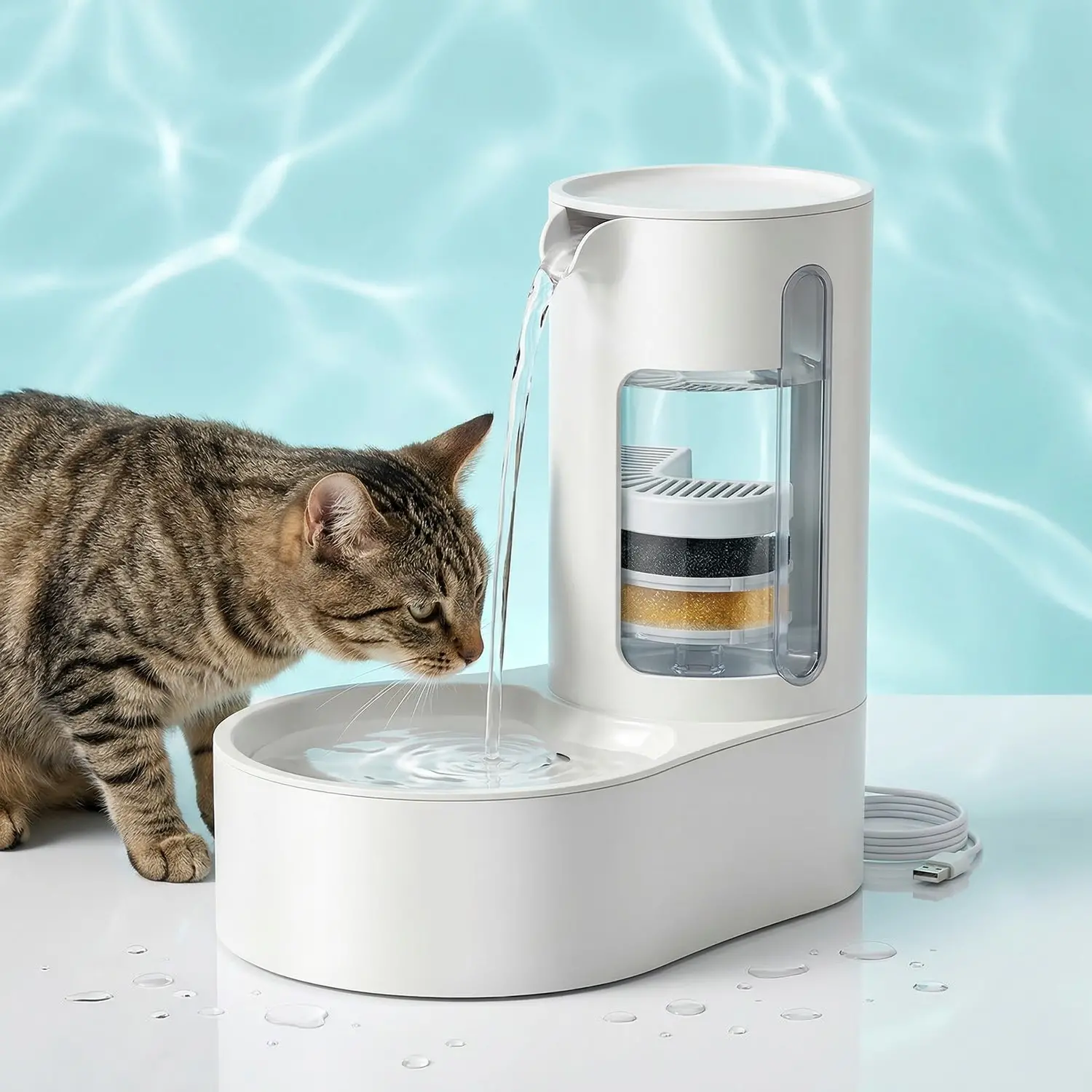
FlowPure 4L Wireless Pet Water Fountain
$18.99
A 4-litre wireless fountain with a visible water window so you always know when to refill. The triple-stage filter removes chlorine, hair, and sediment, and the silent cordless pump means you can place it anywhere without a cable. Wide drinking surface prevents whisker fatigue. Ideal for multi-cat homes or anyone who travels and needs a generous reservoir.
2
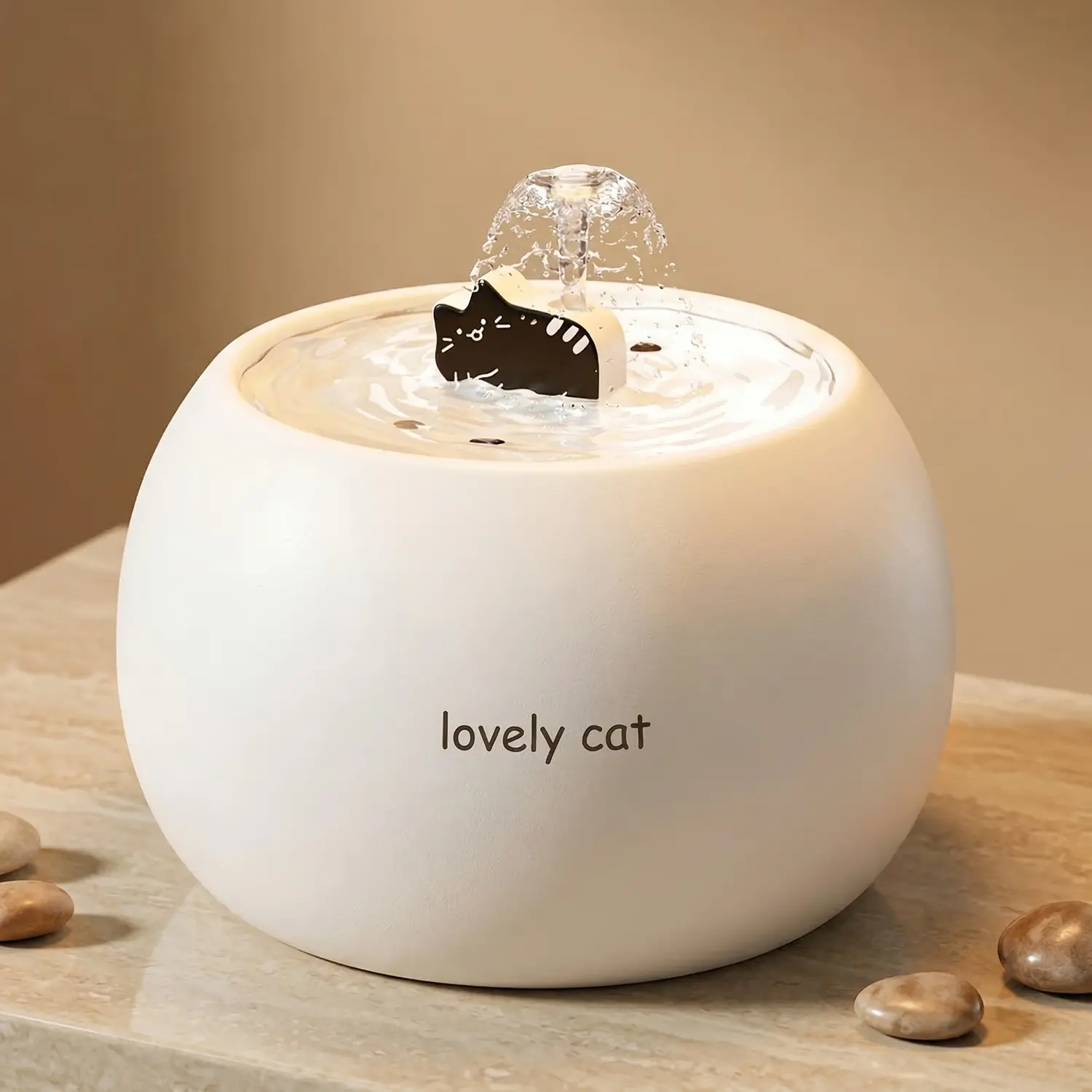
Best for Picky Cats
AquaPaw Ceramic Auto Cat Water Fountain
$15.99
A ceramic fountain is particularly appealing for cats sensitive to plastic taste and odour. Ceramic is non-porous, odour-neutral, and easy to keep hygienic. The electric circulating filter and silent pump keep the water constantly fresh. Available in 1L and 1.5L sizes — the 1.5L is the better choice for a single cat. Elegant enough to sit on a kitchen counter without looking out of place.
Frequently Asked Questions
Q: My cat only drinks from the tap — is this a problem?
Not at all, as long as they’re drinking enough. Tap-drinking is very common and simply reflects their preference for moving water. The practical downside is that tap access isn’t always reliable, and some owners find it inconvenient. A fountain provides the same moving-water appeal on demand, without you having to leave the tap running.
Q: How do I know if my cat is drinking enough water?
The most practical home check is the skin tent test — pinch the skin at the scruff of the neck gently. It should spring back immediately. Slow recoil suggests dehydration. You can also monitor litter box output: a healthy cat should urinate 2–4 times per day. Pale yellow urine is ideal; dark amber suggests concentration from insufficient water intake. Any concerns about dehydration should prompt a vet visit.
Q: How often should I clean a pet water fountain?
Disassemble and fully clean the fountain at least once a week — more often if you have multiple cats or notice any film buildup. The filter should be replaced every 2–4 weeks depending on your water quality and the manufacturer’s recommendation. Regular cleaning prevents biofilm (slime) formation, which cats can smell and will actively avoid. Use unscented dish soap and rinse thoroughly — never use bleach or strongly scented cleaning products.
Q: Will a fountain work for a cat who has always ignored water bowls?
In most cases, yes — but expect a transition period. Some cats take to a fountain immediately; others need a few days to investigate before drinking. Placing the fountain in the spot where your cat already spends time (rather than in the designated “pet area”) tends to accelerate adoption. You can also run the fountain alongside the old bowl initially, then gradually remove the bowl once the cat is regularly using the fountain.
✅ The Verdict
Cats avoiding their water bowls is one of the most solvable health-adjacent problems in cat ownership. The root causes — evolutionary aversion to still water, bowl placement, material and depth issues, and location anxiety — are all addressable with minimal cost and effort. Start with the free fixes (move the bowl, switch to a wide ceramic dish, separate from food). If the problem persists, a pet water fountain is one of the most straightforward investments you can make in your cat’s long-term kidney and urinary health. The difference in drinking behaviour is typically immediate and dramatic.
Ready to Upgrade Your Cat’s Hydration?
Browse our full range of pet fountains, feeders, and accessories — everything your cat needs to thrive.

About author