No products in the cart.
The 2026 Skincare Shift: Why Your Routine Needs to Work Harder for You

✨ Beauty & Wellness
The 2026 Skincare Shift: Why Your Routine Needs to Work Harder for You
Dermatologists, Vogue beauty editors, and Allure experts agree — the era of passive skincare is over. Here’s what the science says, and what it means for your daily ritual.
For the past few years, the beauty conversation has been dominated by one word: ingredients. Retinol. Niacinamide. Hyaluronic acid. If you’ve kept up, your bathroom shelf is probably impressive — and your routine is likely more sophisticated than it was five years ago.
But 2026 marks a turning point. According to Vogue’s annual trends report, the conversation is shifting from what you put on your skin to how deeply it can work. “Consumers are no longer satisfied with vague promises of glow and hydration — they want to understand mechanisms, data, and longevity,” says dermatologist Dr. Emma Craythorne, founder of Klira.
The result? A generation of skincare rituals built around technology, precision, and ingredients that don’t just sit on the surface — they get to work at the cellular level. Here’s what the experts are saying, what the data shows, and what it practically means for how you approach your routine this year.
“We’re moving away from ambiguous claims and superficial trends and into an era defined by quantifiable biology, measurable outcomes, and a demand for transparency.” — Dr. Emma Craythorne, Dermatologist & Founder, Klira | via Vogue, January 2026
In This Article
The 2026 Skincare Mindset — What’s Really Changing

Something subtle but significant has shifted in how people think about their skin. It’s less about chasing a trend ingredient of the month and more about investing in what actually works at a cellular level.
Allure’s 2026 skin-care roundup noted that the industry’s most impactful shift is happening in formulation science — brands upgrading classic ingredients like retinol and vitamin C with biotech delivery systems that dramatically improve how deeply they penetrate. The “back to basics done better” approach, as Allure frames it, means the products that have always worked are now working harder than ever.
At the same time, at-home devices are no longer a niche category. Allure’s 2026 expert panel specifically called out the rise of home-use tools: “At-home devices are becoming a standard part of routines, offering alternatives to in-office procedures — especially in a turbulent economy. Tools will become techier, more personalized, and portable, with LED devices leading the way.”
123%Surge in “red light therapy” searches on TikTok in 4 months
131%Growth in red light therapy clinic appointments, 2023–2025
60%Rise in Google searches for “ectoin” in the last month alone
The Science of “Tech-Plus-Topical” Skincare

One of the most important ideas circulating in clinical dermatology right now is “tech-plus-topical” — the concept that devices and serums used together produce results that neither can achieve alone.
Facialist Jasmina Vico explains the mechanism in Vogue’s 2026 trends feature: “Light increases micropermeability, helping peptides and actives penetrate more deeply while also reducing inflammation and supporting tissue repair.” In practice, this means your vitamin C serum, your retinol, your peptide treatment — all of them work better when your skin has been primed by a device first.
This isn’t hypothetical. The global light therapy market was valued at $521.1 million in 2021 and is projected to reach $802.7 million by 2031, according to Allied Market Research. The demand is real, and the clinical evidence supporting it continues to grow. Appointments for red light therapy at salons and clinics grew 131% from 2023 to 2025 in major markets including the US, UK, and Australia, according to Fresha, the beauty and wellness booking platform.
✨ The key insight: Think of your skincare devices as infrastructure. Cleansing tools clear the path; light therapy and microcurrent tools restructure the foundation; topical products maintain and nourish. The order matters.
Red Light Therapy: From Niche to Mainstream

If you’ve scrolled Instagram or TikTok in the past year, you’ve seen it — that glowing red selfie. Red light therapy has become the beauty ritual of the moment, and for once, the hype has science behind it.
“Red light works with your biology, not against it,” says Marta Panera, global director of marketing at Foreo. Vogue’s in-depth January 2026 feature on red light therapy documents how the treatment — once only available in clinics and luxury spas — has become a mainstream consumer habit, driven by celebrities, influencers, and an increasingly educated beauty consumer.
The science is rooted in photo-biomodulation: red and near-infrared wavelengths penetrate the dermis, stimulating fibroblast activity (the cells that produce collagen and elastin), reducing inflammation, and accelerating cellular repair. The result, with consistent use, is firmer texture, reduced fine lines, and a measurably more even tone — without injections, chemical peels, or recovery time.
Who is it for?
According to FAQ by Foreo, their fastest-growing demographic is women aged 30–55 — but Gen Z is also adopting it preventively. “Red light therapy will become as normal as cleansing or using SPF every day,” says Panera. Brands from Shark to CurrentBody to L’Oréal Group (launching devices in 2027) are betting on exactly that.
The 5 Biggest Beauty Trends Experts Are Tracking in 2026
1. Regenerative Over Reactive
The word of the year in clinical dermatology is regenerative. Rather than treating problems after they appear, the 2026 approach is to strengthen the skin’s own repair mechanisms proactively. Vogue dermatologist contributor Dr. Wassim Taktouk explains: “The demand for treatments that respect skin health and tissue integrity will only continue to grow.” At home, this means choosing devices and formulas that support collagen production, barrier function, and cellular energy — not just surface brightness.
2. Peptides, Upgraded
Peptides have been in skincare for decades, but Allure’s 2026 panel describes a new generation: copper tripeptide-1, oligopeptide-68, microbiome-targeting peptides. “Peptides are the building blocks of the skin — they act as messengers, signalling the skin to produce more collagen and elastin, while also offering anti-inflammatory benefits,” says Dr. Brendan Khong. The catch: peptides penetrate more deeply when paired with device use, making this another argument for a “tech-first, topical-second” approach.
3. Skinimalism (Less Routine, More Intention)
Counter-intuitively, 2026 is also the year of doing less, but doing it better. Skinimalism — streamlined routines with fewer, more effective steps — is gaining traction as consumers push back against 12-step routines that cause more sensitivity than results. According to Trilogy Laboratories’ 2026 trends summary, the movement toward multi-benefit products and intentional minimalism is one of the defining forces reshaping the shelves this year.
4. EMS and Microcurrent Lifting
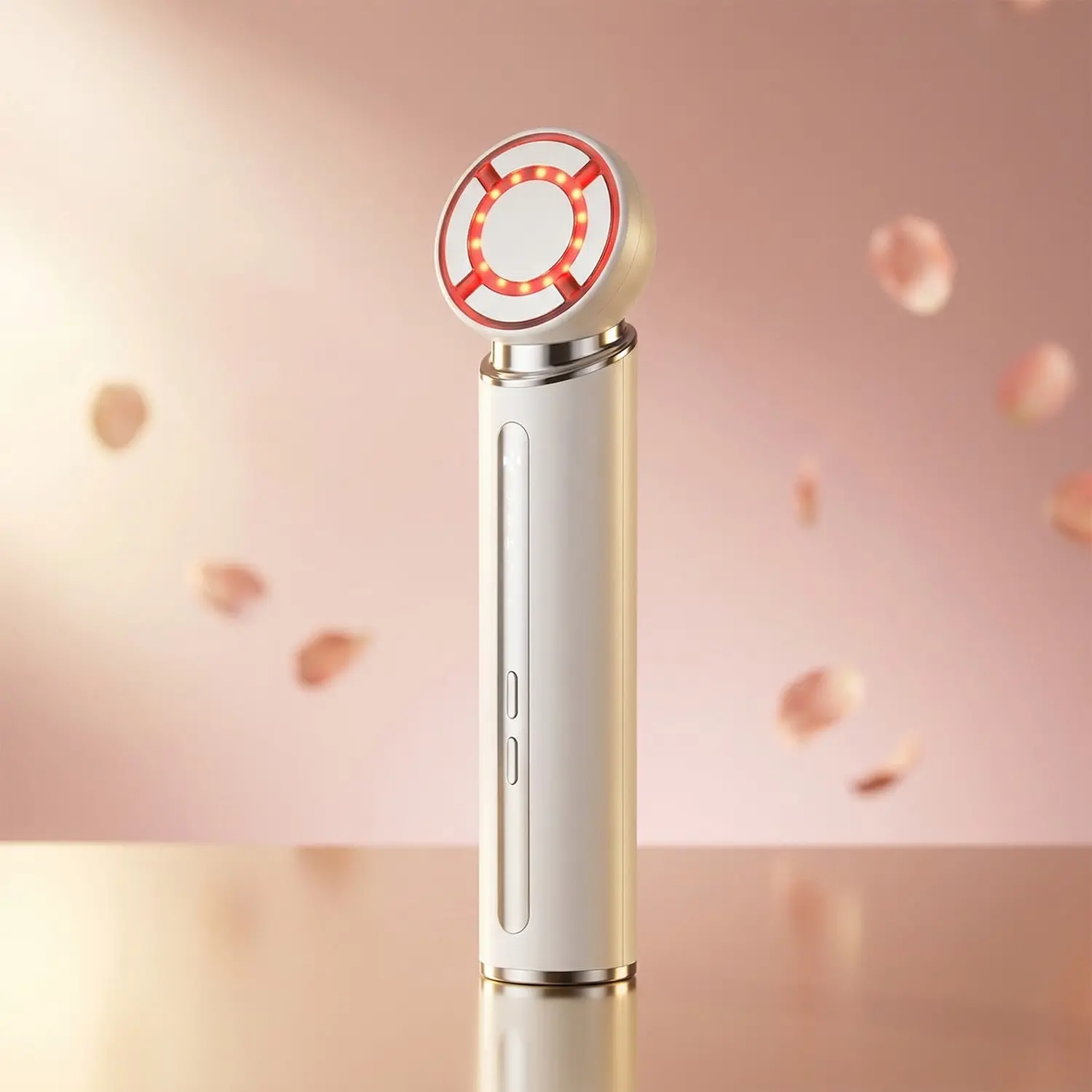
Electrical muscle stimulation (EMS) and microcurrent facial devices are entering mainstream routines as non-invasive alternatives to treatments like Sculptra or fillers. They work by delivering low-level electrical currents that gently exercise facial muscles, improving tone and contour over time. Allure notes the rising demand for “injectable-inspired” at-home tools as consumers seek results-driven alternatives to clinic visits.
5. The Ritual Economy
Skincare is no longer just functional — it’s emotional. Allure identifies a clear consumer shift toward “experiential” skincare, where pleasant textures, ritualistic steps, and sensory engagement are as important as efficacy. This is the K-beauty influence made mainstream: the idea that your evening routine should feel like something you want to do, not a chore. Investing in the right tools transforms your bathroom shelf from a medicine cabinet into a personal wellness space.
Building a Results-Driven At-Home Ritual

Based on the expert consensus from Vogue, Allure, and clinical dermatologists, here’s a practical framework for a routine that works with your skin’s biology — not against it:
1
Cleanse intentionally
Deep-pore cleansing removes the barrier between your skin and every product that follows. A sonic brush dislodges residue, pollution particles, and sebum that manual cleansing misses — without over-stripping the barrier. 60 seconds, twice daily.
2
Apply your active serums while skin is clear
Post-cleanse is when skin is most receptive. Apply vitamin C in the morning; retinol or peptide serums at night. Avoid layering too many actives — the skinimalism trend exists for good reason.
3
Use light therapy or microcurrent 3–5x per week
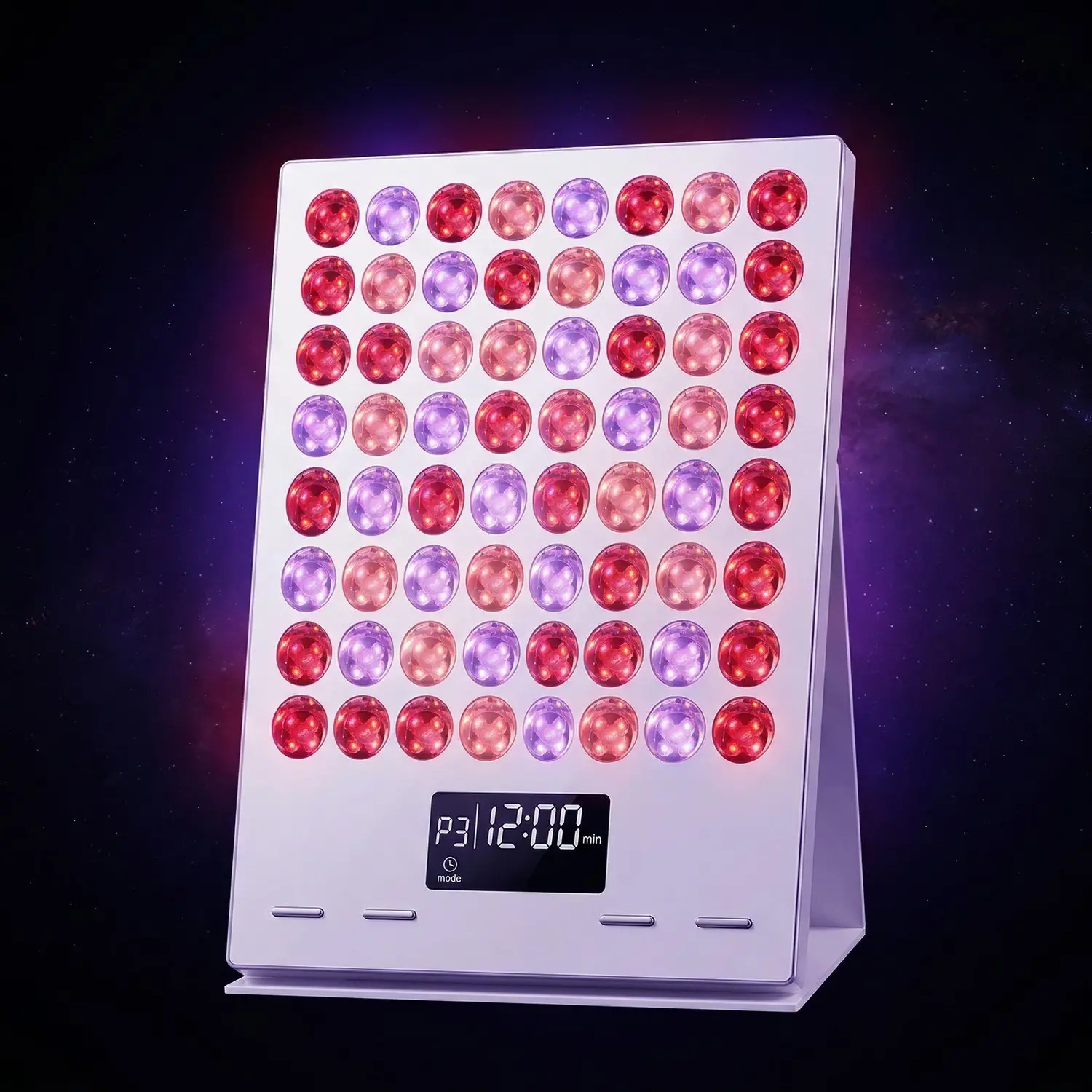
LED light therapy and EMS devices produce cumulative results — consistency over intensity. 10–20 minutes at night, after serums are absorbed but before moisturiser, allows maximum photobiomodulation.
4
Moisturise and seal
Apply barrier-supportive moisturiser post-device use. Your skin is now in a heightened state of cellular activity and will absorb moisture more effectively. Look for ceramides, squalane, or ectoin — the ingredient Vogue flagged for a 60% surge in searches this month.
5
Track under consistent lighting
Progress in skin is slow and subtle. A good LED mirror with consistent, true-colour lighting lets you assess your skin accurately over time — rather than relying on bathroom lighting that changes how your skin looks. Small shifts are real; you need the right light to see them.
💡 How long before you see results? Most dermatologists say 4–6 weeks for LED therapy, 2–4 weeks for cleansing improvements. EMS results build progressively over 8–12 weeks. The key is consistent, sequential use — not sporadic intensive sessions.
Build Your At-Home Ritual
Four tools that map to the expert-recommended steps above — available at nonobrand.net with no subscription and no markup.


Frequently Asked Questions
How often should I use an LED light therapy device at home?
Most dermatologists recommend 3–5 sessions per week for consistent results, with each session lasting 10–20 minutes. Daily use is generally safe for most skin types but isn’t necessary for efficacy. Give the treatment at least 4–6 weeks before evaluating results, as collagen production changes are cumulative and gradual.
What’s the difference between LED therapy and EMS for the face?
LED light therapy (red, blue, or near-infrared light) works on skin cells — it stimulates collagen, reduces inflammation, and treats pigmentation. EMS (electrical muscle stimulation) and microcurrent work on facial muscles — they tone, lift, and improve contour over time. They address different layers and work best used together as part of a full ritual, rather than as alternatives to each other.
Is the “skinimalism” trend right for every skin type?
Generally yes — particularly for sensitive skin, which is most often damaged by over-layering aggressive actives. However, “skinimalism” doesn’t mean doing nothing; it means using fewer, smarter products and tools with intention. For most people, a well-chosen 4–5 step routine built around one or two key actives outperforms a 12-step regimen every time.
Can at-home devices really replace clinic treatments?
For most everyday skin goals — improved texture, hydration, minor firmness, tone — yes, with consistent use. Clinical devices are more powerful but also more expensive and carry more downtime. Allure’s 2026 expert panel notes that the gap between professional and at-home devices is narrowing rapidly, and for maintenance and prevention, home use is now genuinely effective. Think of clinic visits as periodic “resets” and home devices as your daily infrastructure.
Should I apply skincare before or after using an LED device?
Apply active serums (vitamin C, retinol, peptides) before your LED session — then let them absorb for 5–10 minutes before starting the device. As facialist Jasmina Vico explains, light therapy increases micropermeability, helping actives penetrate more deeply. Follow the session with moisturiser and SPF in the morning.
The Bottom Line
The beauty landscape in 2026 isn’t asking you to do more — it’s asking you to do things smarter. The cleanse-treat-lift-review ritual is a more intentional, results-focused approach than the ingredient-stacking era that preceded it.
✨ Where to Start
If you’re new to device-based skincare, start with a sonic cleansing brush — it’s the easiest upgrade with the most immediate visible payoff. Once your cleansing is dialled in, add an LED panel or EMS device as your next step. Small rituals, done consistently, compound into the kind of skin results that used to require a clinic visit.
✨ Your Ritual Starts Here
LED therapy, EMS lifting, sonic cleansing — the tools that used to live in beauty clinics, now for your home routine.
Shop Beauty & Wellness →

About author