No products in the cart.
5 Oral Care Myths Your Dentist Wants You to Stop Believing
Myth Busting
5 Oral Care Myths Your Dentist Wants You to Stop Believing
These five pieces of conventional brushing wisdom are either wrong, outdated, or dangerously misapplied. Here is what the actual science says.
In This Article
Most of what people believe about oral hygiene was learned in childhood — picked up from a two-minute TV commercial, a school pamphlet, or a dentist visit that ended with a free toothbrush. The problem is that some of those messages were always wrong. Others were oversimplified. A few are actively harmful to your teeth and gums.
I have spent the last several weeks reviewing dental literature, American Dental Association guidance, and NIH-published research to isolate the five oral care myths that do the most damage. These are not obscure edge cases. These are assumptions most adults hold right now.
47%
US adults aged 30+ have some form of periodontal disease (CDC)
US adults aged 30+ have some form of periodontal disease (CDC)
45 sec
Average brushing time — less than half the ADA-recommended 2 minutes
Average brushing time — less than half the ADA-recommended 2 minutes
32%
Adults who never floss, per CDC National Health Interview Survey
Adults who never floss, per CDC National Health Interview Survey
Myth 1: Brushing Harder Cleans Your Teeth Better
This is the most pervasive — and most damaging — myth in oral care. The logic feels intuitive: more pressure should mean more removal. The reality is the opposite.
Toothbrush bristles remove plaque through sweeping motion, not abrasive force. Plaque is a soft, loosely adhered biofilm. You do not need significant pressure to remove it — you need coverage and time. What aggressive brushing does instead is abrade tooth enamel and mechanically traumatize gum tissue.
The clinical evidence
Toothbrush abrasion — the gradual wearing of enamel at the gum line — is directly linked to excessive brushing force. A study published in the Journal of Clinical Periodontology found that using more than 150 grams of brushing force provided no additional plaque removal but significantly increased soft tissue damage. The recommended brushing force is 150 grams or less — roughly the weight of a medium apple resting on your brush.
Gum recession from overbrushing is irreversible without surgical intervention. The damage accumulates over years, which is why the myth persists: you do not feel the harm while it is happening.
What to do instead: Use light pressure — enough to feel bristle contact, not enough to splay the bristles. If your brush head shows flattening within the first month, you are pressing too hard. A sonic electric toothbrush with a pressure indicator helps correct this habit automatically.
“Harder is not cleaner. Coverage is cleaner. Two minutes, right technique, light pressure — that is the protocol.”
Myth 2: Mouthwash Can Replace Flossing
Mouthwash is one of the most over-marketed products in personal care. The bottles promise fresh breath, whitening, gingivitis prevention, enamel strengthening — often simultaneously. What mouthwash cannot do is reach between your teeth.
The ADA is explicit on this: mouthwash is an adjunct to brushing and flossing, not a substitute for either. The spaces between teeth — the interproximal surfaces — account for approximately 40% of total tooth surface area. No rinse, regardless of its active ingredient concentration, can mechanically disrupt the plaque biofilm in tight contact points the way flossing can.
Where mouthwash does help
Fluoride mouthwashes provide genuine enamel-strengthening benefit for people at high cavity risk. Antimicrobial rinses (chlorhexidine) are prescribed for post-surgical care or active gum disease treatment. Cosmetic mouthwashes — essentially scented water with color — provide short-term breath masking and nothing else.
If you are currently skipping flossing because you “use mouthwash every day,” you are protecting 60% of your tooth surfaces and leaving the other 40% unaddressed. That is precisely the zone where interproximal cavities and gum disease begin.
Practical protocol: Floss or water floss first (to loosen debris), brush second (to sweep debris and deliver fluoride), rinse with therapeutic mouthwash last (if needed for a specific clinical purpose). Mouthwash goes at the end — not instead.
Myth 3: Whitening Toothpaste Is Safe for Daily Use
The US market for whitening toothpastes was valued at over $1.4 billion in 2024. Virtually every mainstream toothpaste brand now carries a “whitening” variant. The implied message is that whitening is a normal, everyday function of toothpaste.
It is not — and daily whitening toothpaste use carries real enamel risks that most consumers are not warned about.
How whitening toothpastes work
Most whitening toothpastes work through one of two mechanisms: abrasive particles that polish surface stains, or chemical oxidizing agents (hydrogen peroxide, sodium bicarbonate) that penetrate enamel to lighten intrinsic color. The abrasive pathway is the most common — and the most problematic.
Relative Dentin Abrasivity (RDA) is the standard measure of toothpaste abrasiveness. The FDA sets a safety ceiling of 200 RDA for toothpastes. The ADA recommends staying below 250 RDA. Many whitening toothpastes score between 150 and 200 RDA — compared to 70–100 for standard fluoride toothpastes. Used daily over months and years, high-RDA toothpastes accelerate enamel wear, contributing to sensitivity and long-term structural damage.
“Whitening every day is not a maintenance strategy. It is a slow abrasion schedule. Use whitening toothpaste 2–3 times per week at most, and only on teeth without significant sensitivity.”
For everyday use, the clinically safest choice is a standard fluoride toothpaste with an RDA below 100. Save whitening formulas for occasional use — and ask your dentist if you want to discuss professional whitening options that do not require daily abrasion.
Myth 4: Brushing Once a Day Is Enough
Some adults — particularly men — subscribe to a “one solid brush in the morning” approach. It feels efficient. It is not clinically adequate.
Plaque is a living biofilm that begins reforming on tooth surfaces within 20 minutes of removal. Over 24 hours, undisturbed plaque mineralizes into tartar (calculus) — a calcified deposit that cannot be removed by brushing and requires professional scaling. Once tartar forms, the inflammation cycle that leads to gingivitis and periodontitis has already begun.
Why nighttime brushing is the critical one
If you are going to brush once, brush before bed — not in the morning. During sleep, saliva production drops significantly, reducing the mouth’s natural antimicrobial defense. Any plaque, food debris, or fermentable carbohydrates left on tooth surfaces at night will be exposed to eight or more hours of minimal-defense conditions. That is when the most damage occurs.
The ADA recommendation of twice-daily brushing — morning and night — is not a corporate guideline driven by toothpaste sales. It reflects the biology of plaque formation and the window in which it can be disrupted before calcification begins.
If you can only do one thing tonight: Brush before bed. Floss before bed. That eight-hour window matters more than the two minutes you spend brushing in the morning rush.
Myth 5: Sugar Directly Causes Cavities
This one is a useful myth in that it points people in roughly the right direction — but it is technically wrong, and the misconception leads to incomplete protective behavior.
Sugar does not directly cause cavities. Acid causes cavities. The mechanism is: dietary sugars → bacterial fermentation by oral bacteria (primarily Streptococcus mutans) → acid production → enamel demineralization → cavity formation. Sugar is the fuel. Acid is the weapon.
Why this matters practically
Understanding the acid mechanism changes what you watch for. Foods that are acidic without being sugary — citrus, tomatoes, sports drinks, even sparkling water — can directly demineralize enamel without the bacterial fermentation step. People who believe “I avoid sugar so my teeth are safe” and drink acidic sparkling beverages throughout the day are causing enamel erosion through a different pathway.
Additionally, the frequency of sugar exposure matters more than the total quantity. A single dessert after dinner is far less damaging than grazing on sugary foods across six hours. Each sugar exposure triggers an acid attack that lasts 20–40 minutes. Six small exposures equals two to four hours of acid exposure — versus one large exposure with a single acid cycle.
“Cut the grazing. Finish meals completely. Rinse with water after acidic or sugary foods. Those two habits address the acid mechanism directly.”
The Right Tools Make All of This Easier
None of the behaviors above require expensive products. But the right tools reduce friction — and reduced friction means higher consistency.
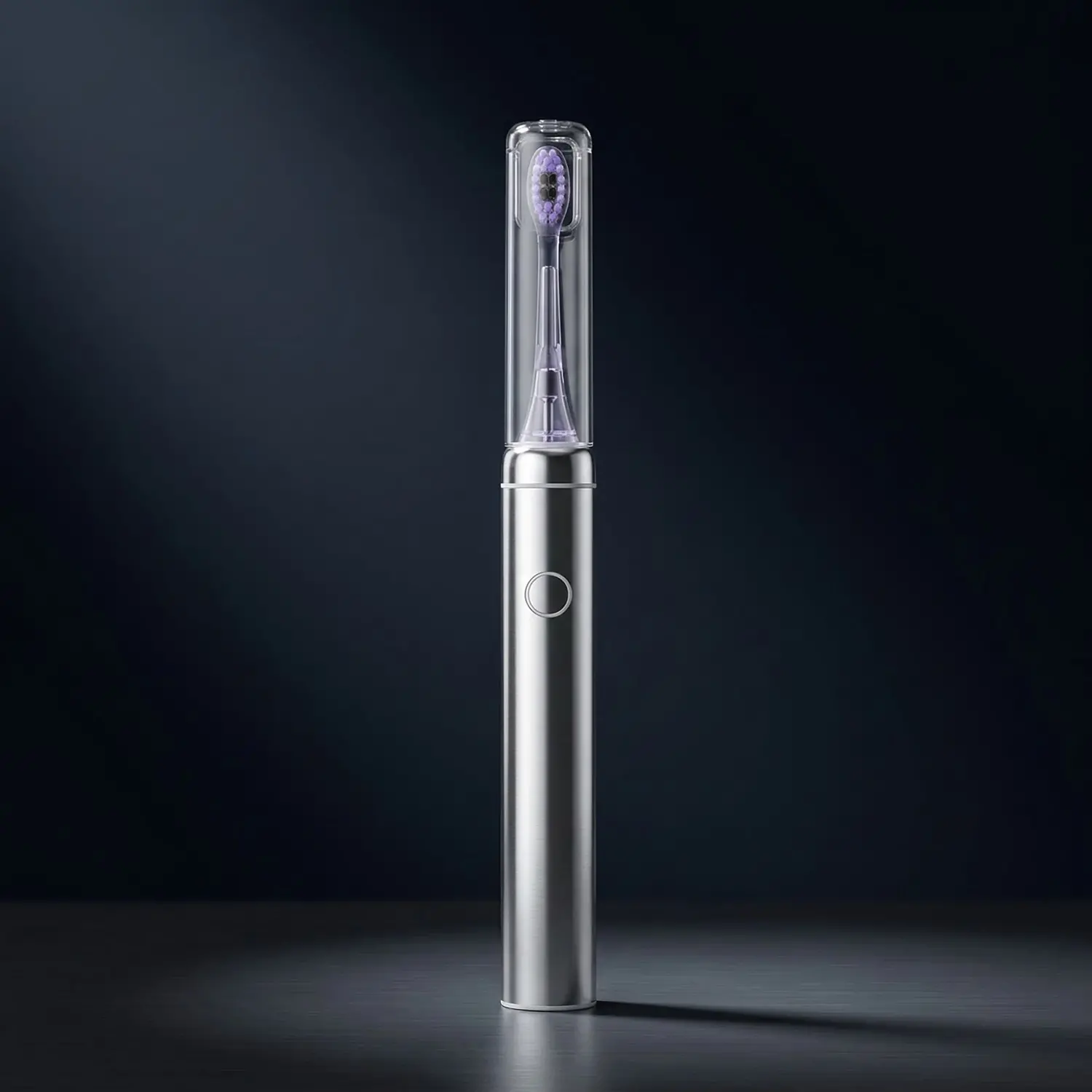
The VibePulse Pro Sonic Electric Toothbrush ($21.99) addresses Myths 1 and 4 directly: the built-in pressure feedback discourages aggressive brushing, and the 2-minute quadrant timer enforces the full brushing duration. It is harder to shortcut a routine when your tool is actively guiding it.
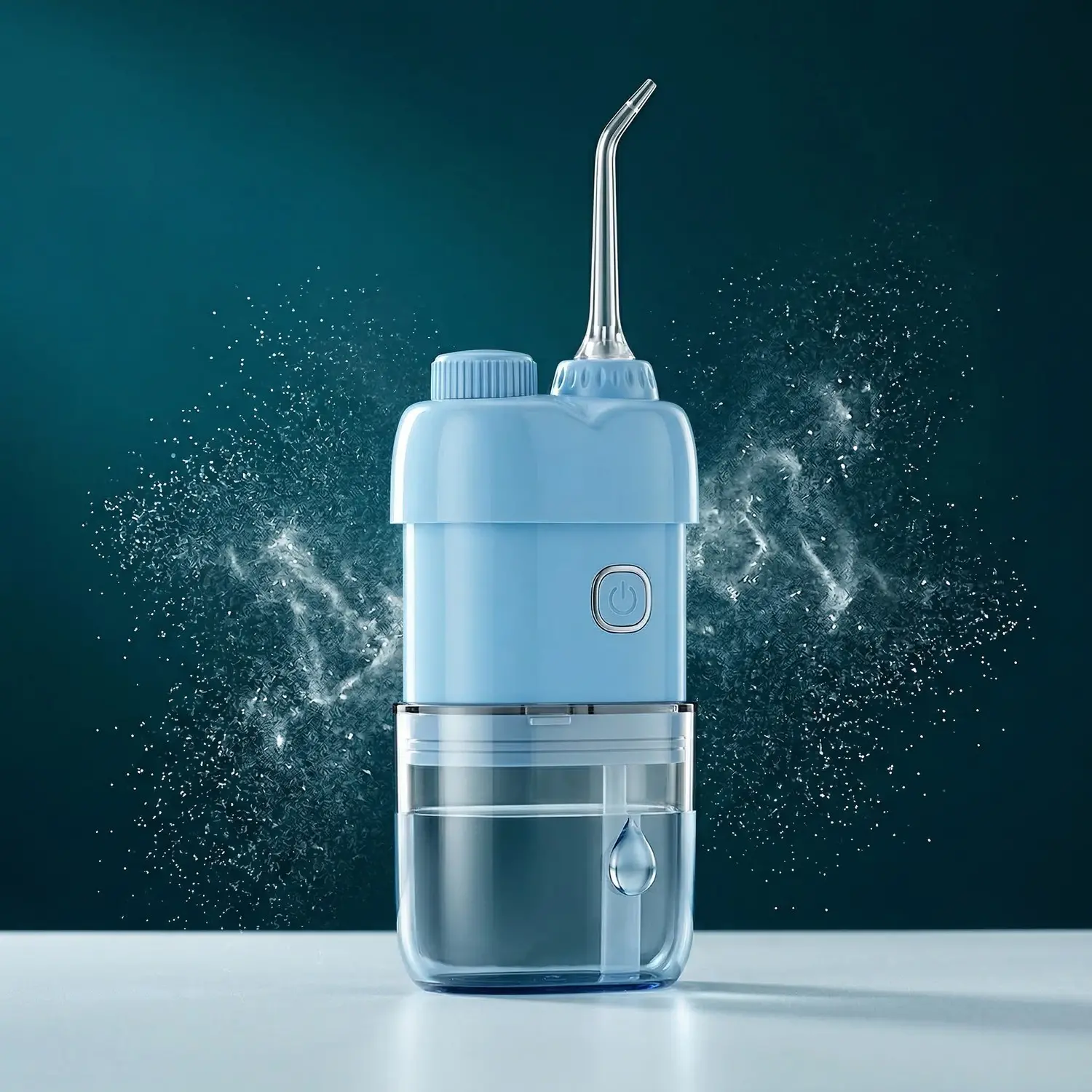
For Myth 2 — the flossing gap — the AquaFloss Pro Portable Water Flosser ($46.99) removes the friction that makes string flossing easy to skip. A water flosser takes under 60 seconds and reaches all interproximal surfaces effectively. For people who have never consistently flossed, it is a genuine behavioral game-changer.
Want to understand the science behind building a complete oral hygiene routine? Our full guide on minimalist oral care for adults covers everything without the marketing noise.
01
Addresses Myths 1 & 4
VibePulse Pro Sonic Electric Toothbrush – UV Sterilization, Dual-Mode
$21.99
Built-in pressure feedback corrects overbrushing. 2-min timer with 30-sec quadrant alerts enforces proper duration. Sonic action at 21,000 strokes/min for effective, light-touch plaque removal.
02
Addresses Myth 2
AquaFloss Pro Portable Water Flosser – Orthodontic, IPX7 Waterproof
$46.99
Reaches all interproximal surfaces string floss misses. IPX7 waterproof. Orthodontic tip included. The easiest way to close the 40% of tooth surface your brush leaves uncleaned.
Frequently Asked Questions
How much brushing pressure is actually recommended?
The ADA and most dental researchers recommend no more than 150 grams of force — roughly the pressure of a resting medium apple. If your bristles are visibly splaying within a month of use, you are applying too much pressure. Many powered toothbrushes include pressure sensors to help correct this automatically.
Is water flossing as effective as string flossing?
A 2019 clinical study found that water flossers are at least as effective as traditional string floss for reducing gingival bleeding and plaque scores. For people with braces, implants, or bridges, water flossers are often superior because string floss cannot navigate around orthodontic hardware effectively. The ADA accepts both methods as valid interdental cleaning approaches.
What toothpaste should I actually be using every day?
A standard fluoride toothpaste with an ADA Seal of Acceptance and an RDA (Relative Dentin Abrasivity) below 100. For sensitivity, potassium nitrate formulations (Sensodyne-type) are effective. Save high-RDA whitening pastes for occasional use — not your daily brush.
Can I undo gum recession from overbrushing?
Minor soft tissue trauma may partially recover when you switch to correct technique. Significant gum recession is generally permanent without surgical intervention (connective tissue graft). The clinical priority is to stop the damage immediately — switch to a soft-bristled brush or a sonic electric brush with pressure feedback, and reduce your brushing force right away.
Stop Brushing Wrong. Start Here.
The VibePulse Pro and AquaFloss Pro together address the most common oral hygiene mistakes — automatically. Under $70 for the complete toolkit.



About author