No products in the cart.
How to Build a Self-Care Routine You’ll Actually Stick To

Personal Care Guide
How to Build a Self-Care Routine You’ll Actually Stick To
The psychology-backed approach to building a daily habit that outlasts the first two weeks — morning, night, or both.
The global wellness and self-care industry is now worth over $450 billion — and yet research consistently shows that most people who start a new self-care routine abandon it within two weeks. Not because they don’t want to feel better. Not because the products don’t work. Because the routine itself was designed wrong. According to the Cleveland Clinic, consistent daily self-care practices — including adequate sleep, physical activity, and stress management — have measurable positive effects on both mental and physical health outcomes.
Most self-care advice is structured like a magazine feature: long, aspirational, and completely disconnected from the realities of busy mornings, interrupted evenings, and general human tiredness. This guide takes a different approach — grounded in behavioural psychology, focused on what actually sticks, and built around the smallest possible starting point.
“People don’t fail at habits because of willpower deficits. They fail because the habit requires too many decisions at the wrong time of day. Remove the decisions, and the behaviour becomes almost automatic.”
— Dr. BJ Fogg, Behaviour Design Lab, Stanford University
— Dr. BJ Fogg, Behaviour Design Lab, Stanford University
📋 Table of Contents
Why Most Self-Care Routines Fail
The answer isn’t motivation — it’s design. When you study habit dropout behaviour, a clear pattern emerges: people build routines that require maximum effort at minimum-energy moments.
A 12-step skincare routine that takes 25 minutes is unsustainable after a 10-hour workday. A workout-and-meditation morning stack that requires waking up 90 minutes earlier is going to collapse the moment you have a bad night’s sleep. The routine asks too much from a brain that is already resource-depleted.
The science of habit dropout identifies three primary failure modes:
- Complexity overload. Routines with more than 4–5 steps require active decision-making each time, which erodes momentum quickly.
- Missing triggers. Habits that aren’t attached to an existing behaviour in your day have no reliable on-ramp. Without a trigger, the routine competes with everything else for your attention — and usually loses.
- Delayed rewards. Most self-care benefits are long-term (better skin, better health, better sleep). Humans are notoriously poor at valuing deferred rewards, which means the routine needs an immediate micro-reward to keep the loop closing.
💡 Key insight: The world’s most sustainable self-care routines have one thing in common — they’re boring. Not because the person is boring, but because boring is repeatable. Novelty feels good; consistency produces results.
The 3-Part Framework: Trigger → Tiny Action → Reward
This framework comes from two decades of behavioural psychology research — most prominently from BJ Fogg’s work on habit design at Stanford and James Clear’s analysis of habit loop mechanics. It works because it engineers the conditions for automatic behaviour rather than relying on willpower.
Step 1 — Trigger
Anchor your self-care action to something that already happens reliably in your day. Waking up. The kettle boiling. Finishing your morning coffee. Getting into the shower. These are strong, consistent triggers that have no variability — they happen every day without effort. Stack your new habit directly after one of them: “After I turn on the shower, I apply my moisturiser.” The habit borrows momentum from the existing behaviour.
Step 2 — Tiny Action
Start smaller than feels meaningful. If you want to build a dental care habit, start with 60 seconds of brushing — not the full two minutes. If you want to build a skincare routine, start with one product. The goal at this stage is to build the pattern, not achieve the full outcome. You can expand once the trigger-action connection is automatic, which research suggests takes an average of 66 days.
💡 The two-minute rule: Any new habit that takes more than two minutes to complete in its initial form is too large. Make it smaller. The first two weeks are about establishing the wire, not the wattage.
Step 3 — Reward
Give yourself an immediate positive signal after completing the action. This doesn’t have to be an external reward — it can be as simple as a genuine moment of acknowledgement: “Done. That was good.” Positive emotion in the immediate aftermath of a behaviour is what cements it into memory as a rewarding loop. Skip this step and the habit takes significantly longer to form.
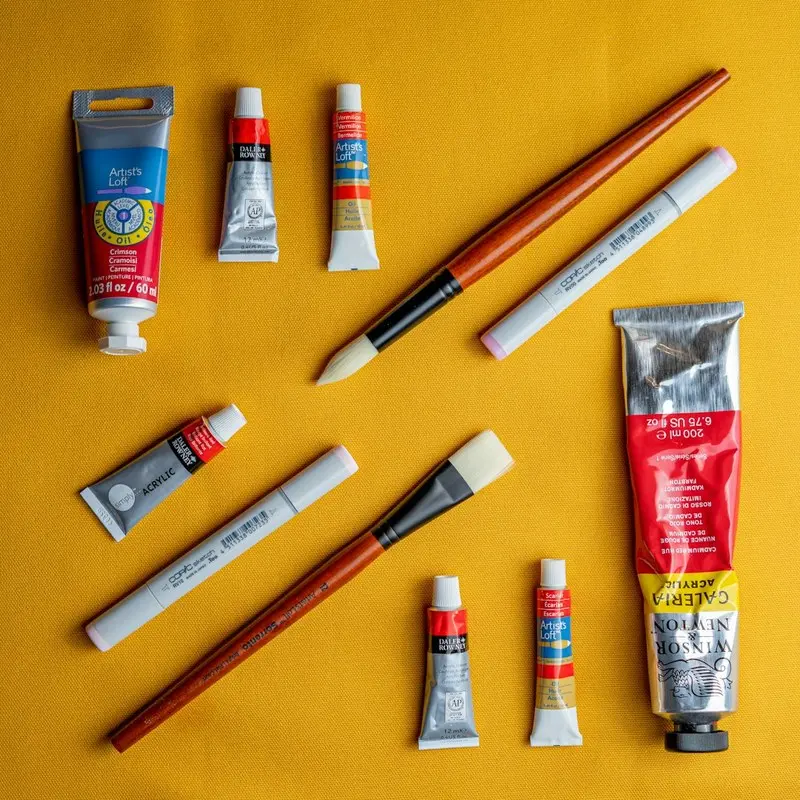
Building a Morning Routine That Takes Under 10 Minutes
A sustainable morning self-care routine doesn’t need to be elaborate. It needs to be fast enough to happen even on the worst mornings — the ones where you’re running late, the dog is barking, and you can’t find your keys. If the routine survives those mornings, it’s robust enough to become permanent.
Here’s a realistic 8-minute framework that covers the three highest-impact areas:
Dental (2 minutes)
⏰ Morning dental habit: Brush for a full two minutes — an electric toothbrush with a built-in timer removes the guesswork entirely. Follow with 30–60 seconds of water flossing to clear overnight bacterial buildup between teeth. The combination takes under 3 minutes total and is more effective than manual brushing alone according to multiple clinical comparisons.
Skin (3 minutes)
🌞 Morning skin habit: Three products is the maximum for a sustainable morning skincare routine: a gentle cleanser or micellar water (30 seconds), a light moisturiser with SPF (60 seconds), and optionally a serum or eye cream (30 seconds). Keep products on the bathroom counter in application order so there’s no decision to make — you just pick up the next thing.
Body (2–3 minutes)
💧 Morning body habit: Post-shower moisturiser takes 60–90 seconds and has a compounding effect on skin hydration over time. A deodorant and a quick facial splash of cold water round out a complete body-care micro-routine. None of this takes meaningful time — but each skipped morning compounds into visible neglect over months.
$450B
Global wellness and personal care industry size in 2025, growing at 5–6% annually
Global wellness and personal care industry size in 2025, growing at 5–6% annually
64%
Of US adults report having no consistent daily personal care routine beyond basics like brushing teeth
Of US adults report having no consistent daily personal care routine beyond basics like brushing teeth
66 days
Average time for a new behaviour to become automatic, per University College London research
Average time for a new behaviour to become automatic, per University College London research
Building a Night Routine: Winding Down and Maintenance
A night routine serves a different purpose than a morning one. Morning routines are about preparation and activation — you’re gearing up for the day. Night routines are about deceleration, maintenance, and recovery. The activities that best support good sleep are also the ones that support the best physical upkeep.
A practical framework for nights:
The Digital Cutoff (Non-Negotiable)
Set a firm screen-off time 30–45 minutes before you want to be asleep. Blue light from devices suppresses melatonin production by up to 50%, delaying sleep onset and reducing sleep quality. This one change — consistently applied — produces measurable improvements in next-morning energy and mood within one week. Everything else in your night routine builds on top of quality sleep.
Skin and Body Maintenance
Night is the optimal time for active skincare ingredients — retinols, exfoliants, and heavier moisturisers work best when you’re not going out into UV light or touching your face repeatedly. A 3–4 minute nighttime skincare sequence (cleanse, treat, moisturise) is realistic even at 11pm. Use the same trigger approach: “After I turn off the TV, I wash my face.”
Dental Night Routine
Brushing and flossing before bed is clinically more important than the morning equivalent. Overnight is when bacteria have the longest uninterrupted time to work on enamel and gum tissue. Two minutes of thorough brushing — electric toothbrushes clean up to 10× better than manual at removing plaque from gum lines — combined with flossing or water flossing, constitutes a complete dental care event in under 4 minutes.
💡 Night routine trick: Lay out your morning skincare products the night before, in order. This eliminates the decision fatigue that causes morning routine skipping. The products sitting on the counter ready to go is a physical trigger — a visual cue that makes the morning sequence feel automatic.
The Gear That Makes It Effortless
The right personal care tools don’t create a self-care routine — but they reduce the friction that causes good intentions to break down. When brushing teeth is faster and more effective, when shaving doesn’t require careful blade management, the routine becomes easier to do than to skip.
1
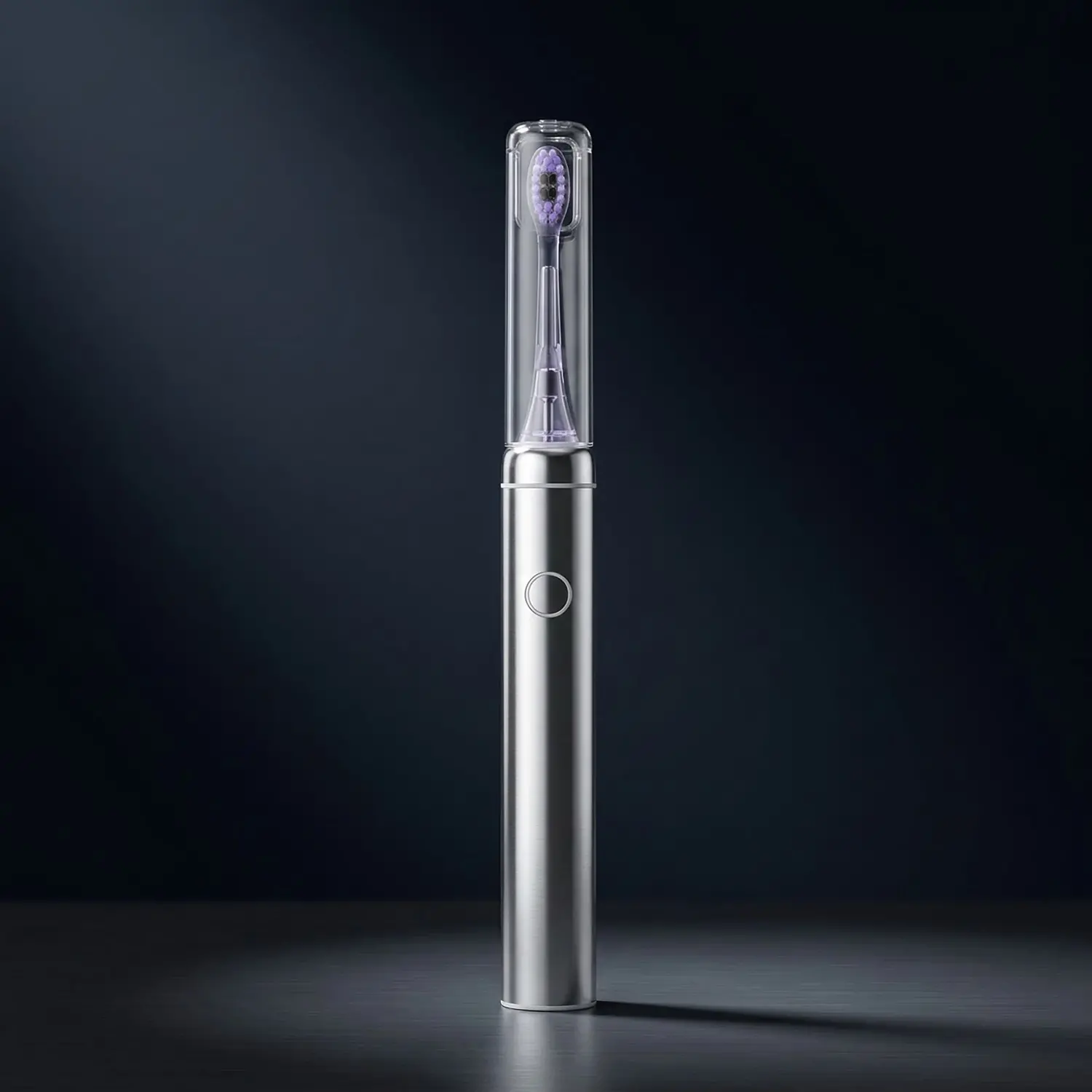
Dental Care
VibePulse Pro Sonic Electric Toothbrush
$21.99
Dual-mode sonic vibration with UV sterilisation built into the travel case — meaning the brush head is disinfected between uses without any effort. Comes with two brush heads and a timer mode so you always hit the two-minute clinical recommendation. The sonic frequency removes plaque from gum lines more effectively than manual brushing, making each morning session genuinely productive rather than just habitual. One of the highest-impact upgrades in any personal care routine.
2
Grooming
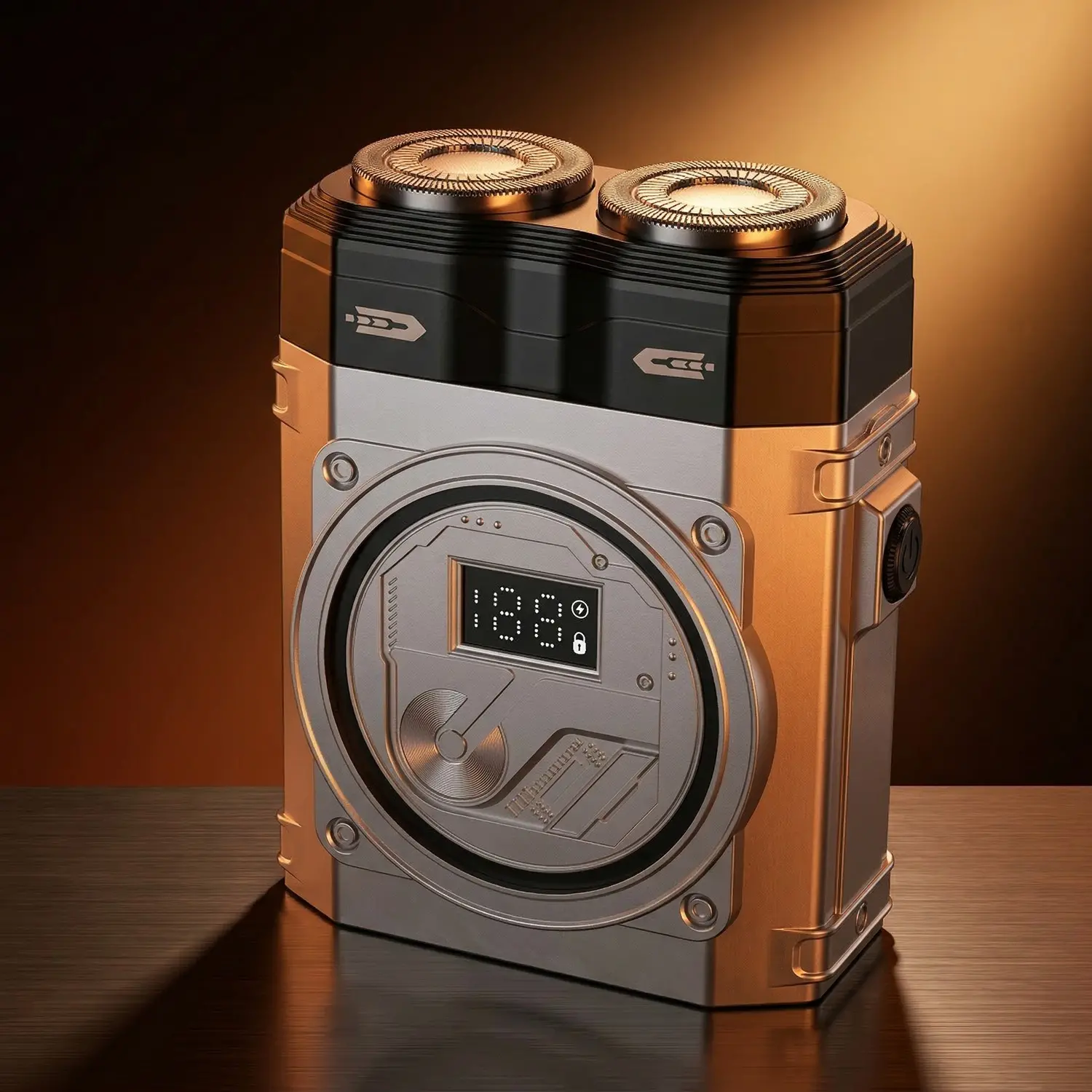
DualBlade Pro Magnetic Electric Shaver
$15.99
A dual-head floating blade design that adapts to facial contours without pressure or razor burn — the kind of irritation that makes manual shaving feel like a chore. Fully washable under the tap, magnetically docking into its charging stand so it’s always charged and ready. The frictionless morning interaction — pick it up, shave, rinse, set it down — is exactly the kind of habit-supporting simplicity that makes grooming stick as a daily practice rather than an occasional effort.

Frequently Asked Questions
How long does it really take for a self-care routine to become automatic?
Research from University College London found the average is 66 days — not the commonly cited 21 days, which came from a misinterpretation of much older, less rigorous data. The range varies between 18 and 254 days depending on the complexity of the habit and individual differences. Simple habits (one-step routines) automate in 3–4 weeks; complex multi-step routines take longer. This is why starting small is so critical — shorter habit formation timelines mean faster payoffs.
Should I build a morning routine or a night routine first?
Build whichever is lower-friction for your specific life. If you’re a morning person who already has a consistent wake-up time, start there. If your mornings are chaotic but your evenings have predictable downtime, start with a night routine. The science doesn’t privilege one over the other — what matters is the trigger reliability. A consistent anchor time produces a faster-forming habit regardless of which end of the day it’s on.
Is it bad to skip a day of your self-care routine?
Missing one day has almost no negative effect on long-term habit formation, according to research. Missing two consecutive days begins to weaken the neural pathway you’re building. The most evidence-backed advice is the “never miss twice” rule — one miss is an accident, two misses is the start of a new pattern. This removes the all-or-nothing perfectionism that causes people to abandon routines entirely after a single lapse.
How do I build a self-care routine on a tight budget?
Focus on behaviours before products. The habits of consistent sleep timing, daily movement, skin hydration, and proper dental care cost almost nothing and produce more measurable health outcomes than any premium product range. When you do invest in tools, prioritise items that replace a time-consuming or friction-heavy step — an electric toothbrush or a water flosser both improve outcomes while reducing the effort required per session.
🏆 The Verdict
Building a self-care routine that lasts isn’t about discipline — it’s about design. Attach your routine to a reliable daily trigger, start with the smallest possible action, and stack the full routine gradually once each step becomes automatic. Sustainable routines are boring, short, and repeatable. That’s not a limitation — it’s the design spec.
The right tools reduce friction at every step: an electric toothbrush that cleans better in less time, a smart shaver that requires no careful technique, a water flosser that makes the habit painless. When caring for yourself takes less effort than skipping it, the routine stops feeling like self-discipline and starts feeling like who you are.
Explore Our Personal Care Range
Sonic toothbrushes, water flossers, electric shavers, and more — the tools that make daily self-care genuinely effortless.


About author