No products in the cart.
Americans Spend $3,200 a Year on Personal Care. Here’s Where Most of It Gets Wasted.
Data & Analysis
Americans Spend $3,200 a Year on Personal Care. Here’s Where Most of It Gets Wasted.
A data-driven look at US personal care spending — where the money goes, what premium branding actually costs you, and the minimalist alternative that covers everything for under $90.
In This Article
The Bureau of Labor Statistics’ Consumer Expenditure Survey tracks what Americans actually spend across every household category. Personal care — grooming, hygiene products, and related services — consistently ranks in the top ten recurring expenditure categories for US households. The average American household spent approximately $768 annually on personal care products and services in the most recent survey data, with higher-income brackets reaching $1,400–$1,800 on products alone.
Add professional services — haircuts, dental visits co-pays, spa treatments — and the total personal care spend per adult in the US routinely exceeds $3,000–$3,200 annually. That figure is not inherently wrong. But when you look at where the money actually goes, a consistent pattern emerges: a significant portion is absorbed by premium branding, subscription models that create product surplus, and gadget churn — buying the same category of product multiple times because the first purchase was underpowered or broke prematurely.
This is not a minimalism sermon. It is a spending audit. Here is what the data actually shows.
$768
Avg. annual household spend on personal care products (BLS CES)
Avg. annual household spend on personal care products (BLS CES)
$3,200
Estimated per-adult total including services, per industry analysis
Estimated per-adult total including services, per industry analysis
40%
Estimated brand premium markup on mid-tier personal care products
Estimated brand premium markup on mid-tier personal care products
$12B
US electric toothbrush market — dominated by 3 brands with 80%+ share
US electric toothbrush market — dominated by 3 brands with 80%+ share
The Numbers: What Americans Actually Spend
The BLS Consumer Expenditure Survey breaks personal care into two primary categories: personal care products and personal care services. In its most recent published data, American consumer units (households) averaged $768 on personal care products and $68 on personal care services annually — a combined $836. For individual adults in dual-income households, the per-person product expenditure typically runs higher.
Market research firms (Nielsen, Statista, Grand View Research) consistently estimate higher figures when including all hygiene and grooming sub-categories not captured in the BLS taxonomy. Their estimates for total per-adult personal care spend — including oral care, skincare, hair care, shaving, body care, and grooming tools — run between $1,500 and $3,500 annually depending on income bracket and geography.
Category breakdown (estimated average adult, US)
| Category | Estimated Annual Spend | Primary Waste Drivers |
|---|---|---|
| Skincare & moisturizers | $650–$900 | Premium branding, multi-step regimens, product switching |
| Hair care (products + cuts) | $480–$720 | Salon upsells, product surplus, trend-chasing |
| Oral care (toothbrushes, paste, floss) | $180–$350 | Premium brush subscriptions, proprietary heads, whitening add-ons |
| Shaving & grooming | $200–$380 | Razor subscription lock-in, multi-blade premium markup |
| Fragrance & deodorant | $90–$160 | Premium branding, gift-set waste |
| Grooming tools & devices | $150–$300 | Gadget churn, underpowered first purchases |
| Total (estimated) | $1,750–$2,810 | — |
Add professional services (haircuts, dental co-pays, facials, massage), and $3,000–$3,200 per adult is a credible aggregate. The question is not whether this spending is happening — it is whether most of it is generating proportional value.
Where the Waste Lives
Consumer behavior research identifies three primary waste drivers in personal care spending. They are not random. They are structural — built into how personal care products are marketed and sold.
1. Product accumulation without use
Nielsen consumer panels have consistently found that the average household has 3–5 partially used personal care products in active rotation at any time, with an additional 2–4 products “in reserve” that may never be fully used. This accumulation pattern is driven by promotional bundling, multi-pack discounts, and the anxiety that comes from running out — leading consumers to over-purchase. The result is money spent on product that expires unused in a cabinet.
2. Feature-priced tools with commodity performance
The premium personal care device market operates on a consistent model: charge 5–10x the price of a commodity-tier product, justify it with additional features (app connectivity, brushing analytics, smart pressure sensors), and build proprietary consumable lock-in that sustains revenue. The oral care category is the clearest example. A $180 electric toothbrush with Bluetooth costs $180 to buy and $40–70 per year in proprietary replacement heads. A $22 sonic electric toothbrush with compatible generic heads performs comparably on the only metric that matters — plaque removal — and costs a fraction of the ongoing spend.
3. Subscription lock-in and churn
The subscription personal care market grew aggressively through 2022–2025, with razor clubs, skincare boxes, and toothbrush head subscriptions all competing for recurring household spend. Subscription economics favor the provider: they guarantee purchase frequency regardless of actual product depletion rate, they create friction to cancel, and they ship product on a schedule that often exceeds actual use rates. Industry analysis estimates that 15–20% of subscription-delivered personal care products are discarded unused.
“The waste is not in the products you use. It is in the products you bought based on marketing and never finished — and in the subscription you forgot to cancel.”
The Premium Brand Tax
Brand premium in personal care is one of the largest consumer financial inefficiencies. The markup between the cost of manufacturing a personal care product and its retail price is well-documented in industry economics. For mass-premium brands (Clinique, Kiehl’s, Oral-B Genius), the brand margin — the portion of the retail price that covers brand investment, not product — routinely represents 35–50% of the sale price.
This is not inherently unethical. Brand investment means research, quality control, clinical testing, and the marketing infrastructure that gets the product in front of consumers who need it. But for the consumer, it means: when you buy a $180 electric toothbrush from a market-leading brand, you are not paying for $180 worth of brushing performance. You are paying for roughly $80–100 of performance plus $80–100 of brand value.
The oral care category in detail
The US electric toothbrush market is dominated by two brands — Philips (Sonicare) and Procter & Gamble (Oral-B) — who collectively control over 75% of the premium market. Their pricing power is sustained by proprietary brush head systems that prevent substitution with generic heads, brand loyalty built over decades, and retail placement that gives them prime shelf positioning.
The actual manufacturing cost of a quality sonic electric toothbrush motor assembly — the core component driving cleaning performance — is $8–12 at volume. The rest of the retail price is manufacturing overhead, logistics, retail margin, and brand premium. Budget-tier sonic brushes from newer brands can source equivalent motor assemblies, pass the cost savings to the consumer, and still operate at sustainable margins. The VibePulse Pro at $21.99 is a direct product of this dynamic.
Gadget Churn: The Hidden Oral Care Cost
Gadget churn describes the pattern of buying a product in a category, finding it underwhelming, abandoning it, and eventually buying a second (often more expensive) version. In oral care, this pattern is remarkably common.
A typical trajectory: consumer purchases a $15 entry-level manual electric brush → it underperforms expectations → consumer abandons electric brushing entirely for 6–12 months → consumer upgrades to a $100+ premium brush after a dentist recommendation → consumer is finally satisfied. Total spend: $115–$200 across three years, with a 12-month gap in powered brushing.
The alternative: purchase a capable $22 sonic brush that delivers genuine sonic-frequency vibration from day one. If it exceeds expectations (which the data suggests it will), the upgrade path never triggers. If it underperforms, the total sunk cost is $22. The gadget churn cycle costs the typical US oral care consumer an estimated $60–90 in wasted first-purchase hardware over a five-year period.
Anti-churn principle: Buy the lowest-cost option that meets the functional threshold for your actual need. Research the functional threshold before purchasing. Do not guess your way up the price ladder.
The Minimalist Alternative: Three Products That Cover Everything
A complete personal care toolkit — oral hygiene, shaving, and the foundation of any grooming routine — does not require hundreds of dollars or a collection of single-use gadgets. The following three products represent a considered, functional answer to the oral care and grooming categories:
01
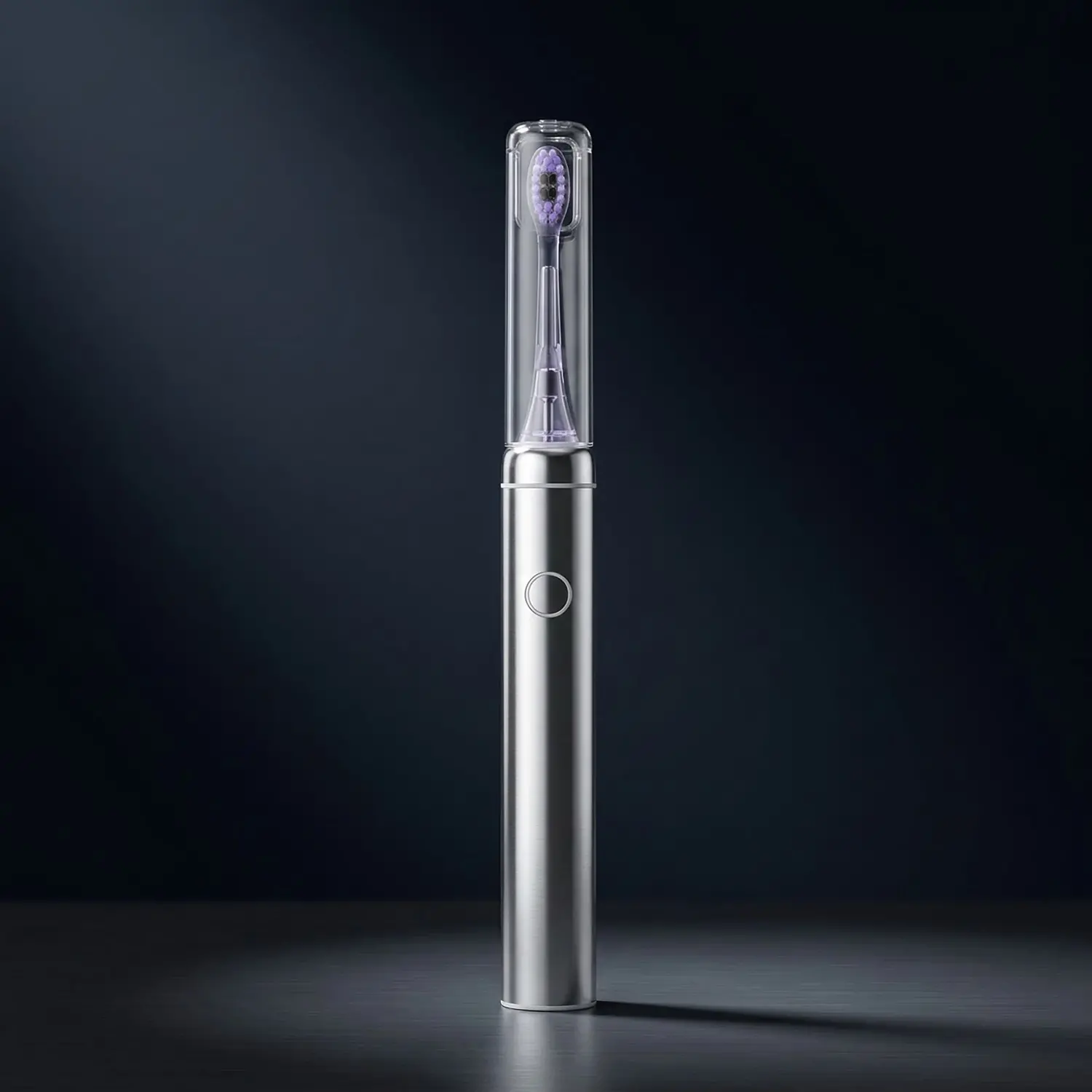
Oral Care
VibePulse Pro Sonic Electric Toothbrush – UV Sterilization, Dual-Mode
$21.99
21,000 strokes/min sonic action. 2-min timer with quadrant alerts. UV-C sterilizer base. 30-day battery. Compatible with generic replacement heads. Replaces the need for a $100–$180 premium brush subscription.
02
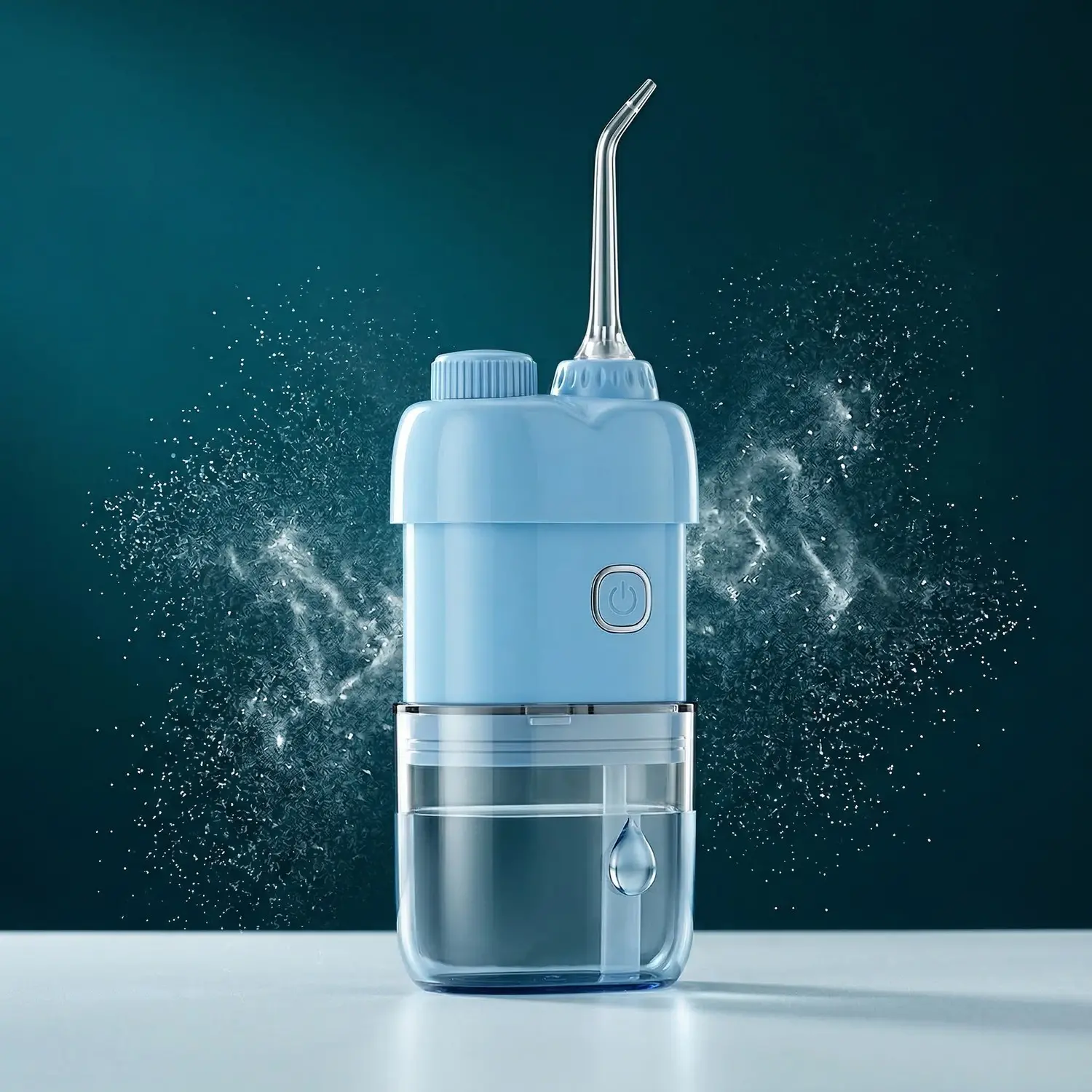
Oral Care
AquaFloss Pro Portable Water Flosser – Orthodontic, IPX7 Waterproof
$46.99
Covers the 40% of tooth surface that brushing misses. IPX7 waterproof, portable design. Orthodontic tip included. Removes the need for disposable floss packs and string-flossing friction for good.
03
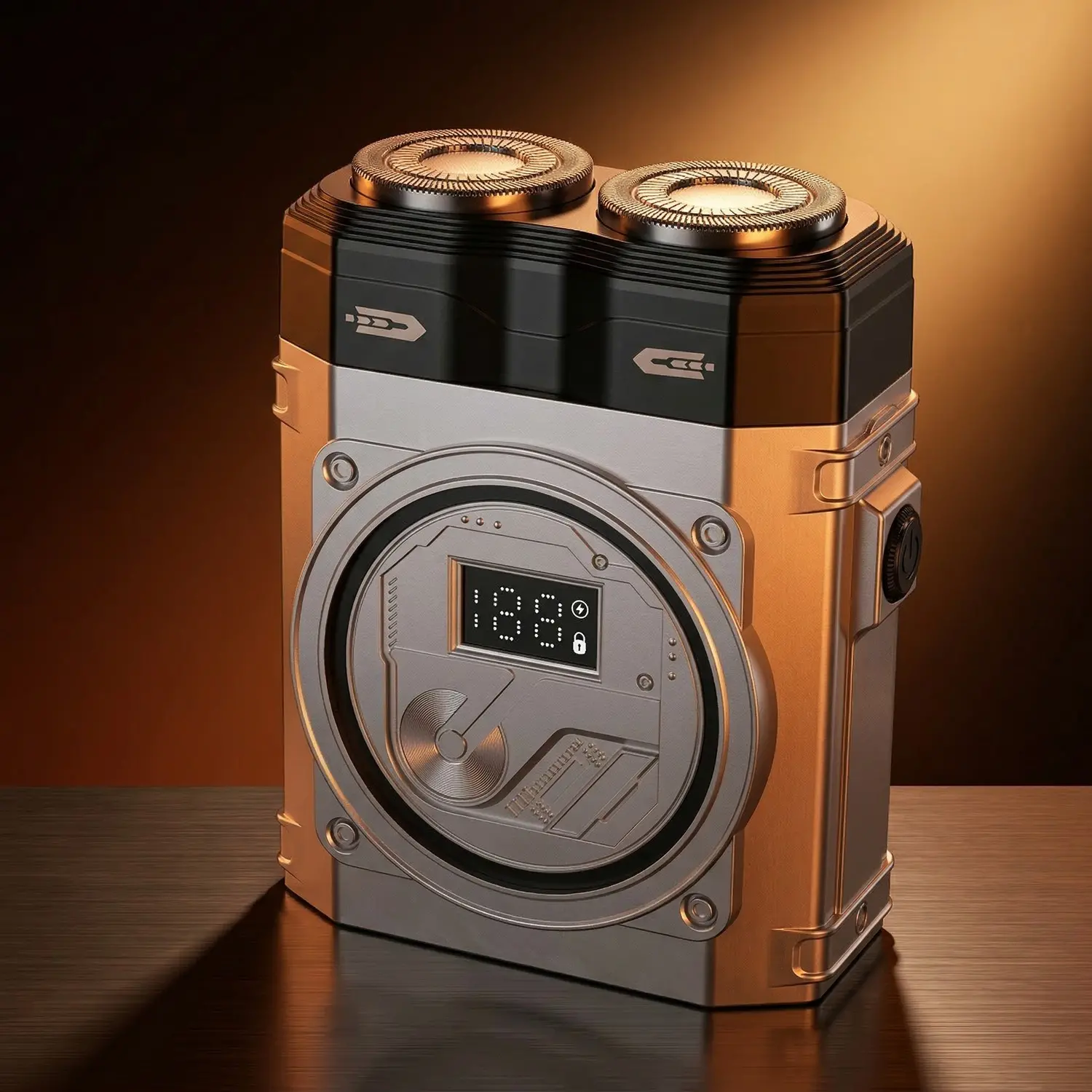
Grooming
DualBlade Pro Magnetic Electric Shaver – Dual-Head, Travel Ready
$15.99
Dual-head floating design for close contact on facial contours. Travel-ready compact form factor. Magnetic attachment system. No cartridge subscriptions, no blade replacement markups. A permanent exit from the $30–40/year razor refill cycle.
Budget Audit: What the Spend Looks Like
Here is a direct comparison between a typical US adult’s current personal care spend in the oral care and shaving categories versus the minimalist nonobrand.net toolkit — over one year.
| Item | Typical US Adult (Year 1) | Minimalist Toolkit (Year 1) | Year 2+ (Minimalist) |
|---|---|---|---|
| Electric toothbrush | $80–$180 (premium brand) | $21.99 (VibePulse Pro) | $0 (same brush) |
| Brush head replacements (4/yr) | $40–$72 (proprietary) | $12–$20 (generic compatible) | $12–$20 |
| Floss / water flosser | $15–$25/yr (disposable string floss) | $46.99 (AquaFloss Pro) | $0 (same unit) |
| Razor / electric shaver | $30–$60 + $30–$40/yr refills | $15.99 (DualBlade Pro) | $0 (no refills) |
| Toothpaste (standard fluoride) | $18–$35/yr | $18–$35/yr | $18–$35/yr |
| Category total | $183–$372 | $114.96 (products) + paste | $30–$55/yr ongoing |
The Year 1 saving is $70–$250 depending on your current setup. The Year 2 saving — when you are simply buying replacement heads and toothpaste — is where the minimalist math becomes compelling. Across five years, the toolkit approach saves a conservatively estimated $400–$700 in the oral care and shaving categories alone. That is without touching skincare, hair care, or fragrance.
“The minimalist personal care argument is not about deprivation. It is about identifying the functional floor — the minimum spend that delivers clinical results — and refusing to pay above it for brand premium.”
For more on building a streamlined personal care routine, read our complete breakdown of the minimalist oral care stack and the data behind smart grooming decisions. You can also explore our personal care product guides for category-by-category analysis.
Frequently Asked Questions
Is the BLS $768 personal care spend figure accurate for individual adults?
The BLS Consumer Expenditure Survey measures per-household spending, not per-individual. A two-adult household spending $768 on personal care products averages $384 per person — though in practice, spending is rarely equal between household members. Single adults, higher-income earners, and urban residents tend to spend significantly above the household average. The $3,200 total figure incorporates professional services (salon visits, dental co-pays) which BLS tracks separately.
Do budget personal care products perform as well as premium alternatives?
In categories where performance is measurable — oral care being the clearest example — peer-reviewed clinical evidence does not support premium pricing for average users. A $22 sonic toothbrush and a $180 Sonicare remove comparable amounts of plaque when used correctly. In categories where performance is subjective (fragrance, skincare texture, brand experience), premium products may deliver genuine value — but that value is personal, not clinical, and should be budgeted accordingly.
How do I break a subscription personal care habit that I’m not sure I need?
Audit your last three deliveries: did you use all of the product before the next shipment arrived? If not, the subscription frequency exceeds your actual consumption rate. Pause or cancel, and switch to direct purchase when you actually need a replacement. Most subscriptions offer discounts to retain subscribers — if you cancel and the product genuinely serves you, you can restart on a longer interval without financial penalty.
What is the actual cost difference between a subscription electric toothbrush and buying outright?
Oral-B and Sonicare subscription programs typically charge $10–$15/quarter for replacement heads, on top of the initial brush cost of $80–$180. Over three years, you will spend $200–$300+ total. The VibePulse Pro at $21.99 with generic-compatible replacement heads (approximately $15–$20 per year for four heads) totals roughly $85–$105 over three years — a saving of $115–$215 for functionally comparable performance.
The Complete Toolkit. Under $85.
Three products. Oral care and grooming covered. No subscriptions, no proprietary lock-in, no premium markup. Just what works.



About author